


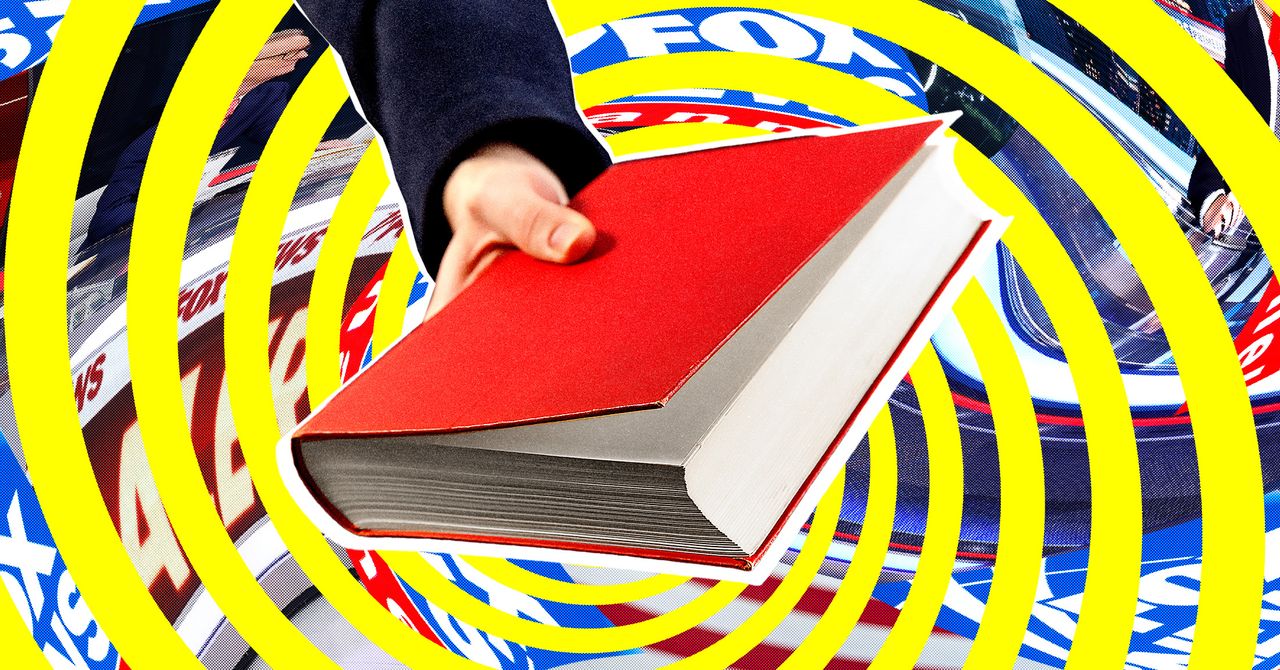
Using Book Clubs to Reconnect with Political Opposites
Valeen Heinle was inspired to start a book club during a heated argument with her father, a Trump supporter, following a discussion over Israel’s actions in Gaza and its effects on children.
Desperate to influence her father's perspective, Valeen, a 38-year-old Democrat and pet caretaker from Denver, urged him through Instagram to explore perspectives beyond what's offered by Facebook and conservative news outlets. She pleaded with her father to read a history book on the subject of Gaza, lamenting his preference for sticking to familiar narratives.
Her father's retort focused on his worries for his children's future, suggesting that he would then be open to consider concerns for other children.
The division between Valeen and her father extends beyond this issue. They've clashed over topics such as the COVID-19 vaccine, environmental regulations, gun control, the 2020 election outcome, and the Capitol riot. Valeen believes her father's drift toward extreme views has been manifest since 2016, changing him fundamentally.
A Moment of Realization
Their exchange about Gaza profoundly affected Valeen, leaving her emotional and prompting a comforting session with her partner, where they distracted themselves with snacks and anime.
In the middle of the night, Valeen proposed a compromise to her father: read three selected books, truly comprehend them, and she would attend church for a month.
Similar experiences have been shared on Reddit, where users express how political divides have strained their familial relationships. Many describe a perceived cult-like devotion to Trump in their loved ones.
The
Others consider book clubs a way to mend these rifts. On Reddit, someone sought book suggestions with subtle moral themes for their father, who enjoys fantasy novels, while another sought books that might 'deprogram' their family from Trump's influence.
Yet, for some, the distance created by these political differences has led to a complete cessation of contact. Studies indicate that many family estrangements are politically motivated.
Struggling for Connection
Dominique Forbes, 28, has greatly reduced interaction with her pro-Trump parents since 2016 and hasn't seen them in several years. She recounts attempts to discuss Trump's influence which were met with defensiveness from her father.
Plans for a family visit to Seattle fell apart after she asserted her need for boundaries, deciding she had enough of trying to reconcile with what she sees as their indoctrination.
Expert Insights on Deprogramming
Steven Hassan, a cult expert, stresses that there's no universal method for reaching someone affected by extreme ideologies. Individualized approaches are key; rather than confrontational debates, empathetic dialogue should be employed.
Promoting self-reflection through questions and reminding individuals of their pre-brainwashing identity can be effective strategies.
A Shared History
Reflecting on her upbringing in Florida's Pompano Beach, Valeen recalls her father as her best friend and mentor, despite their political differences. Health issues and social isolation may have played roles in his political shift, intensifying her concerns over his current beliefs.
For Valeen, books hold transformative power, as she experienced a similar ideological shift after reading works by evolutionary biologist Richard Dawkins during her younger years.
A Beacon of Hope
Valeen aims for the books she's chosen—those examining history, gender, and social inequality—could broaden her father's understanding and potentially rebuild their connection.
Despite estrangement from the rest of her family, Valeen holds hope for her relationship with her father, determined to reestablish their once close bond.
Ultimately, her father has agreed to read the books, acknowledging his ample time to do so.
Leave a Reply