


The Unfinished Business of People Power: Is Bangladesh the Exception?
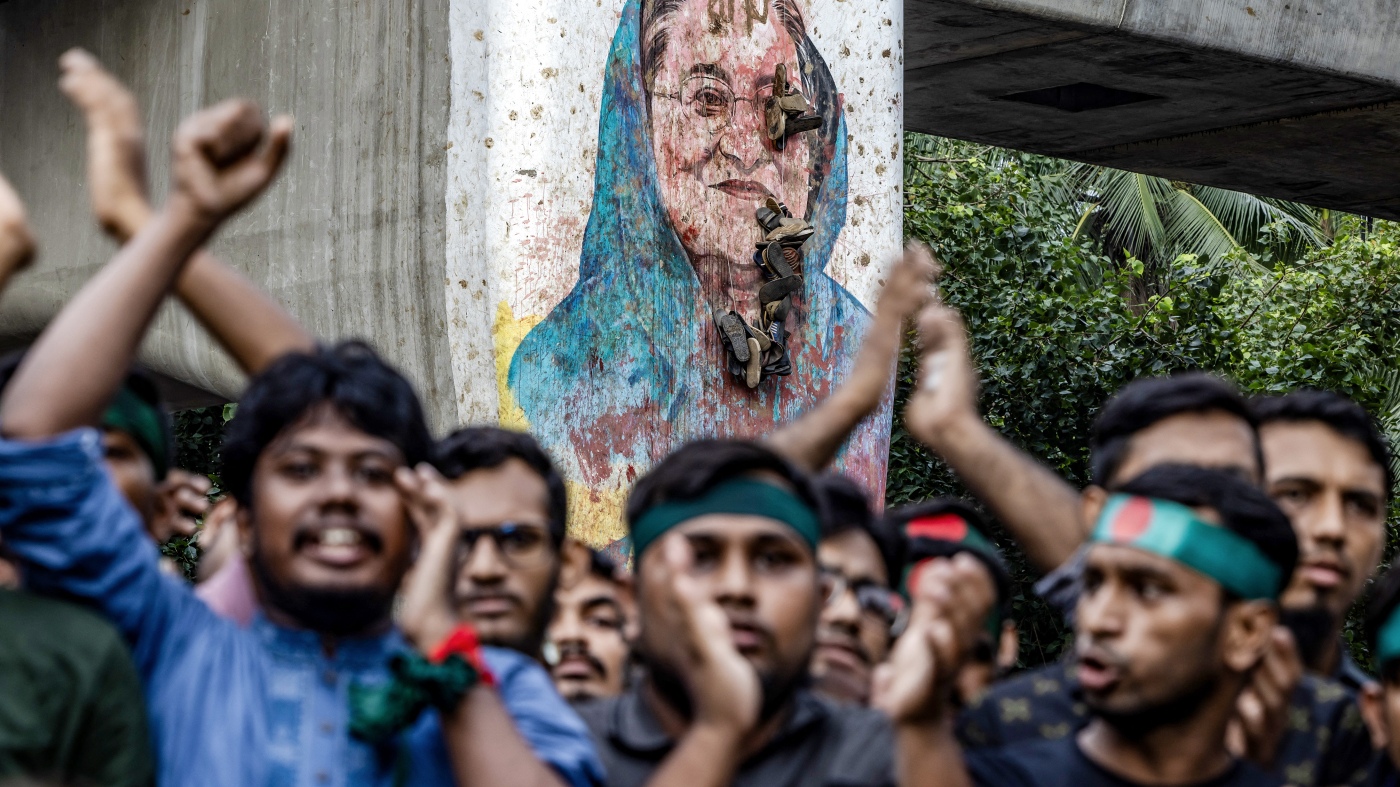
In August, a wave of protest transformed Bangladesh's political landscape as the longstanding authoritarian regime of Sheikh Hasina was toppled.
This scenario, familiar across Asia, the Middle East, and other regions, showcases a pattern where widespread discontent over economic struggles, corruption, and repression fuels movements that overthrow autocratic rulers.
This past summer, Bangladesh witnessed a paradigm shift. Students rose up against job quota injustices. When security forces reacted harshly, the demonstrations expanded into a broader uprising that ultimately deposed Prime Minister Sheikh Hasina.
The Path to Sustainable Democratic Change
Historically, people-powered movements tend to disrupt politics but often struggle to catalyze enduring democratic reforms. Yet, Bangladesh has a slim chance to defy these odds, though the journey won't be straightforward.
While such movements have indeed spurred transient shifts towards democracy, as seen in the Philippines in 1986, the trajectory isn't always sustained. For instance, the Marcos family returned to power despite their initial ousting.
In other regions, like Central Asia and the Middle East, similar movements either failed to eradicate autocracies or saw the return of old structures soon after initial victories.
Bangladesh's Challenges in a Post-Hasina Era
Now, Bangladesh stands at a crossroads post-Hasina's ouster. The departure has opened both political and security gaps that extremist elements might exploit. Moreover, the vacated political space has led to a push by the Bangladesh Nationalist Party (BNP) to regain influence, although their past governance was marred by similar issues as the Awami League.
The military, which had been relegated to a less conspicuous role under Hasina, now sees an opportunity to regain political clout, reminiscent of its influence during 2006-2008.
Formulating a Forward-Thinking Vision
The absence of a cohesive strategy for the future is palpable. Protest leaders were driven by the immediate goal of dismantling the previous regime, lacking a blueprint for governance thereafter. While the BNP pushes for early elections, a consensus on the timeline remains elusive.
The interim administration, spearheaded by Nobel laureate Muhammad Yunus, aims to institute necessary reforms in a nation plagued by systemic corruption and inefficiencies. Nonetheless, there's apprehension that entrenched interests could resist changes that threaten their power and benefits.
A Nation's Democratic Prospects at a Tipping Point
The interim leadership faces daunting tasks as it seeks to meet high public expectations amidst ambitious reform agendas. If these efforts stall or the economy doesn't rebound, public patience could wane, challenging the interim government's legitimacy since it operates without a direct mandate.
Nevertheless, optimism persists due to new dynamic forces advocating for democracy, including the student leaders integral to Hasina's removal and now part of the interim governance structure.
These leaders inspire the youth, a significant demographic group in Bangladesh, to champion democratic values actively. Since Hasina's departure, these youth have taken on civic duties neglected by authorities.
Navigating Political Division
Bangladesh's new leadership must overcome the toxic political entanglements that have eroded its democratic foundations. However, risk remains that they may become ensnared in the very politics they seek to transcend.
If political conditions don't evolve as these reform-minded leaders hope, protests might resurge, especially against any military influence in governance.
The progress made could readily be stymied by enduring challenges, such as military meddling, political rivalry intensification, or extremist violence.
Continuing the People's Quest for Change
Achieving democracy in Bangladesh demands strategic actions — reinforcing law and order, promoting human rights, pursuing public institution reforms, and preparing for credible elections.
The youth-driven movement has sparked a new wave of hope for Bangladesh's future. The success or failure of this optimism will determine whether the nation serves as a beacon of democratic perseverance or becomes another example of people power's unresolved challenges.
Leave a Reply