


Deciphering Exit Polls: A Guide for Election Night
Exit polls offer media organizations a fascinating glimpse into potential voting outcomes in states during elections. These polls aim to make sense of how electoral votes might be swayed.
Understanding the Process of Exit Polls
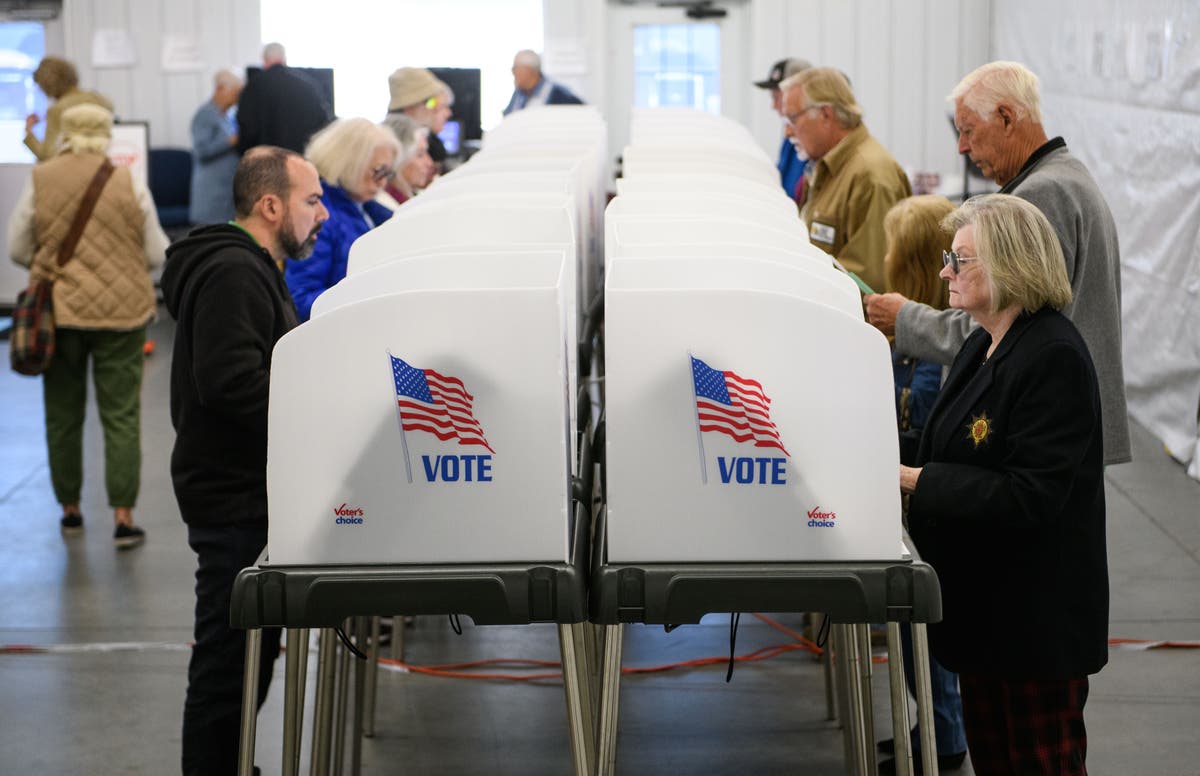
Exit polls are typically conducted on-site where voters are approached after voting to express their choices and address various issues. This technique provides insights into voter behavior and preferences.
However, as voting has evolved, these surveys now also include phone and text communication to gather data from voters who submit mail-in ballots.
To maintain privacy, these surveys are generally anonymous. Pollsters ensure that when voters participate at polling stations, they fill out their responses discreetly. Similarly, for mailed ballot voters reached via phone or text, their personal details remain confidential.
Role of Exit Polls in Media Projections
Major news outlets use exit polls to project potential election outcomes and provide the public with insights into voting patterns.
Particularly in cases of a decisive victory, these polls help in announcing projected winners before official results are available. Nevertheless, most forecasts are based on certified vote counts post-election.
Organizations Involved in Exit Polling
NBC, ABC, CBS, and CNN collaborate within the National Election Pool to utilize polling data provided by Edison Research.
An agreed standard among them is a reporting embargo until 5 PM ET, ensuring results are withheld until voting concludes in a given state.
After 2017, Fox News and the Associated Press shifted to another methodology, focusing on comprehensive surveys encompassing both voters and non-voters, aiming to narrate the election results more holistically.
Scope and Impact of Exit Polls
Exit polling averages significantly more participant involvement compared to typical pre-election surveys. For instance, Edison Research engaged over 100,000 voters in 2020, with expectations for AP's VoteCast to surpass 119,000 participants.
Poll questionnaires often explore voter selections alongside pressing issues such as economic conditions, inflation, or social policies. They also collect demographic data to assess diverse voting trends and ensure representative sampling.
Interpreting Exit Poll Results
By examining the responses, analysts infer voter sentiment and demographic voting tendencies. Media use these insights to help the public comprehend election dynamics in real time.
Leave a Reply