


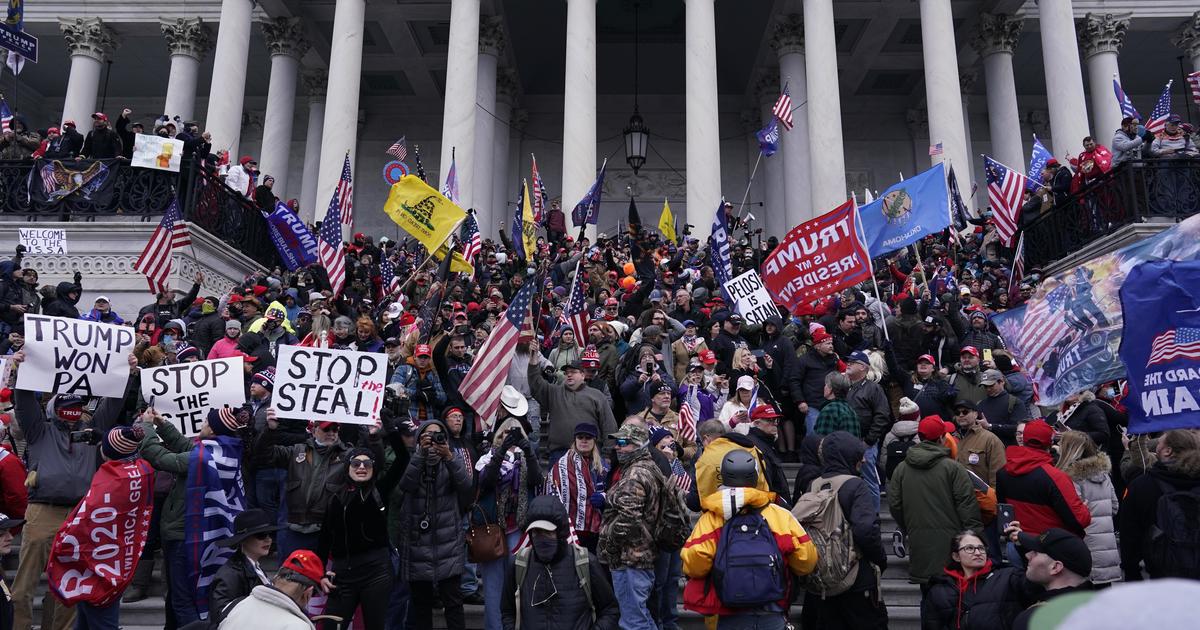
FBI's Missed Steps Before January 6 Capitol Incident, Says DOJ Report
The Department of Justice's Inspector General has highlighted that the FBI did not mobilize its field offices nationwide as effectively as it had claimed to gather intelligence from confidential informants before the Capitol riot on January 6.
According to the report, comprehensive intelligence gathering through the FBI's field offices could have bolstered preparedness for the events of January 6.
Deputy Director Paul Abbate admitted to investigators that a crucial measure—gathering more detailed information from across the country—had been overlooked.
The Inspector General affirmed that the inaccurate communications to Congress about the FBI's operations were not done with deceptive intent.
Additionally, the monitor's review of field office reports from January 6 revealed no overlooked intelligence that pointed towards the Capitol being attacked.
It's noted that over 24 informants under the FBI's purview were present in Washington prior to the breach, yet none were given orders to enter the Capitol unlawfully or engage with the riot.
There were no FBI operatives disguising themselves at the protests or involved in the violence, the findings clarify.
Investigation records show that only three of 26 informants were tasked with relevant intelligence work. Nevertheless, up to four entered the Capitol, with more stationed on restricted grounds.
Confidential human sources have been pivotal, particularly around January 6, generating significant discussion within Congress, as FBI Director Wray has been questioned about their roles by some legislators.
Post-riot, interrogations arose concerning the adequacy of intelligence assessment. Although a potential threat was identified as Congress was certifying the presidential election, the Capitol Police were primarily responsible for response that day, supported by the FBI.
Before the riot, an FBI report from Norfolk highlighted a web post warning of potential aggression, which reportedly didn’t reach Capitol Police, though the FBI maintains it acted appropriately on the intelligence.
The day saw interactions between informants and extremist factions such as Proud Boys and Oath Keepers. Subsequent trials have brought convictions for leadership within these groups, tying them to seditious efforts.
Despite some discontent from the FBI over perceived inaccuracies in the report's content, none of the sources who breached the Capitol have been criminally charged, consistent with judicial handling practices post-event.
Amid ongoing prosecutorial actions resulting in over 1,500 individuals being charged, the revelation that confidential informants weren’t prosecuted aligns with policy—only punishing those committing further illegal acts beyond being at the scene.
Aftermath and Legal Ramifications
Despite narratives around pardons for those charged, federal actions post-2024 election have focused on accountability, irrespective of political evolution. Judges have declined numerous requests for leniency from implicated parties.
In related developments, former President Trump's comments on rapid pardon considerations drew attention. Pam Bondi, his Justice Department nominee, might play a significant role in any related proceedings.
Leave a Reply