


COVID Vaccine Update Discussion: Should You Get It Now, Or Wait?
Current Vaccine Uptake Statistics
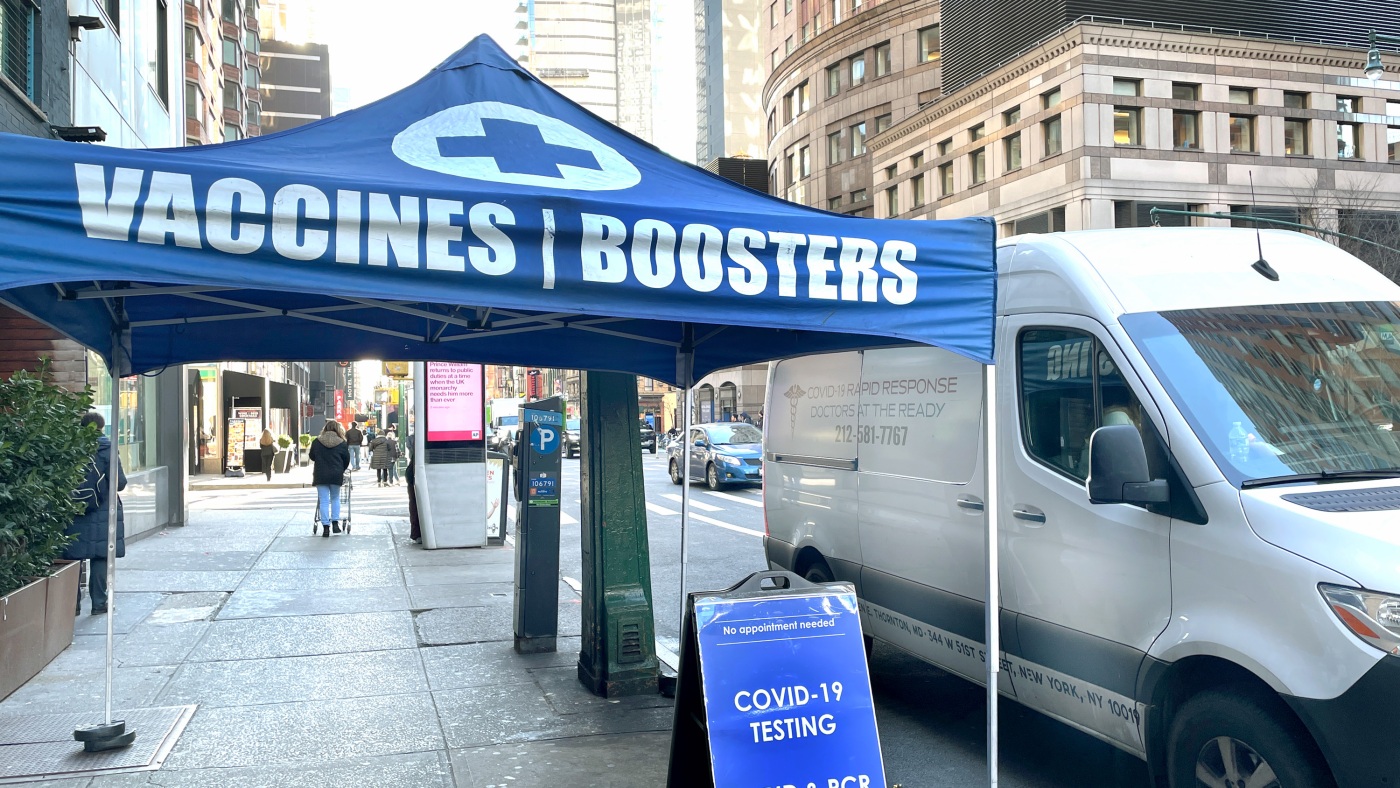
A mobile medical unit set up in New York City offers easy access to the newest COVID-19 vaccine. Despite its availability, only one out of every five people eligible in the United States has chosen to get the latest dose.
Understanding the Low Participation
If you've skipped the latest vaccine rollout that began in September, you're not alone. The Centers for Disease Control and Prevention notes that under 20% of eligible Americans have received this updated formulation, designed to combat both the original virus and new variants.
Who Can Get Vaccinated?
Eligibility extends to everyone aged six months and older, according to the CDC.
Is a Vaccine Necessary for Healthy Individuals?
Vaccination significantly cuts the chance of severe illness, long COVID, and prevents hospital visits, as well as death. Moreover, avoiding any infection helps protect you and vulnerable others.
Post-Infection Vaccination Timing
Much like how vaccine-induced protection wanes, immunity after an infection decreases over time as well.
For those ready to receive a shot, questions may arise regarding the different types of vaccines available: mRNA options from Pfizer and Moderna or the protein-based vaccine from Novavax.
Choosing Between Vaccine Options
mRNA vaccines instruct your cells to produce a protein that triggers an immune response. In contrast, the Novavax vaccine, based on an older methodology, can be considered by those who had adverse reactions to mRNA vaccines.
Seasonal Surges and Vaccine Strategies
Winter typically brings a COVID surge, according to Dr. Hopkins, which can affect vaccination timetables, especially after a recent infection. The CDC advises that individuals might wait three months post-infection to maximize immune response when antibodies have started to wane.
Optimal Vaccination Timing
A new study discusses vaccine timing aligned with seasonal peaks. For those vaccinated in September and infected afterwards, a subsequent dose may be best between mid and late September the following year.
Expert Suggestions on Timing
But official guidance varies. For tailored advice, consider discussing vaccination timing with healthcare professionals—especially crucial for immunocompromised individuals or those 65 years and older.
Challenges Beyond Vaccination Availability
Though the U.S. faces debates on vaccine updates, global disparities are more concerning. Limited availability in low- to middle-income countries creates challenges, despite initial distribution efforts.
Future Directions for Vaccine Distributions
In the U.S., vaccine supply and public health messaging may shift with future administrations, impacting public behavior and local policies. Doctors may no longer stock vaccines directly, yet they remain accessible through appointments online or locally.
Most insurance plans cover vaccine costs if the provider is in-network. For those uninsured, contacting local health departments may offer free or affordable options.
Leave a Reply