


Current Status of Flu and COVID This Season
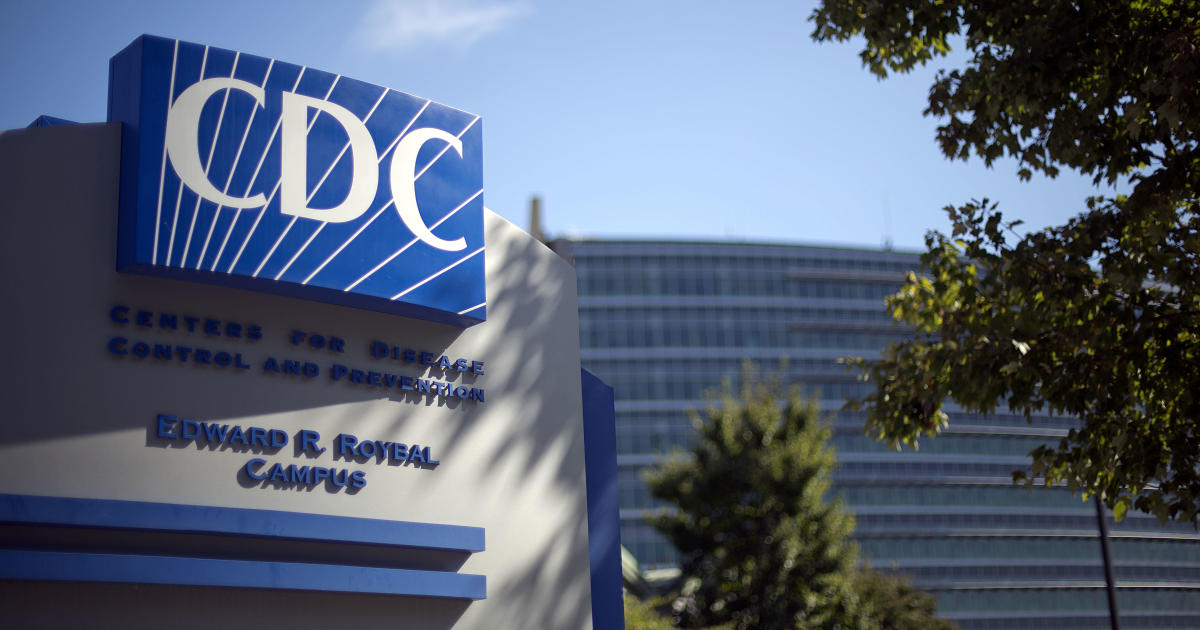
The anticipated winter increase of flu and COVID has not yet begun across much of the nation, according to the latest figures from the Centers for Disease Control and Prevention. Compared to the same period in the previous year, levels are noticeably lower.
Flu Patterns and Expectations
Already by this point in the previous years, reports indicated higher outpatient visits for flu-related illnesses above seasonal averages. However, recent data suggests a gentler rise in influenza cases, aligning more with traditional seasonal norms.
Justin Lessler, an epidemiology professor from the University of North Carolina, noted that despite this delay, the current flu statistics appear more regular when contrasting them with the upheaval seen during the COVID-19 pandemic, which shifted usual respiratory disease patterns.
Further analysis suggests that past significant influenza waves may have contributed to a population-wide immunity, which could account for a slower start to the flu season. Nonetheless, there's uncertainty regarding whether this signals merely a delay or a milder overall season, warned Shaun Truelove from Johns Hopkins University.
Forecast models vary in their predictions, with some indicating a potential return to previous flu cycle norms, though the unpredictable nature of influenza means certainty remains elusive.
Monitoring COVID-19 Trends
COVID-19 trends also reflect a diminished presence compared to last year's data. Previous summer spikes typically saw a resurgence into winter, yet current figures remain relatively calm.
Another consideration is the inherently evolving nature of the virus. Several emergent variants are being monitored for changes in infectiousness, with initial analysis including the XEC variant suggesting heightened transmissibility, though not significantly surpassing its predecessors.
Both experts, Truelove and Lessler, emphasize the ongoing challenge of comparing these figures, complicated by the discontinuation of comprehensive hospitalization data and changing patterns in testing and healthcare access.
Other Respiratory Illnesses in Focus
While flu and COVID levels appear contained, other respiratory illnesses, such as Mycoplasma pneumoniae and pertussis, commonly known as whooping cough, are seeing an uptick.
Recent statistics reveal a notable rise in pertussis cases, surpassing previous season peaks surveyed in 2014, while Ohio records the highest local infection rates.
As per CDC observations, a metric collectively tracking various coughs and colds—'acute respiratory illness'—indicates moderate-level instances across multiple states, including heightened reports in Ohio.
Leave a Reply