


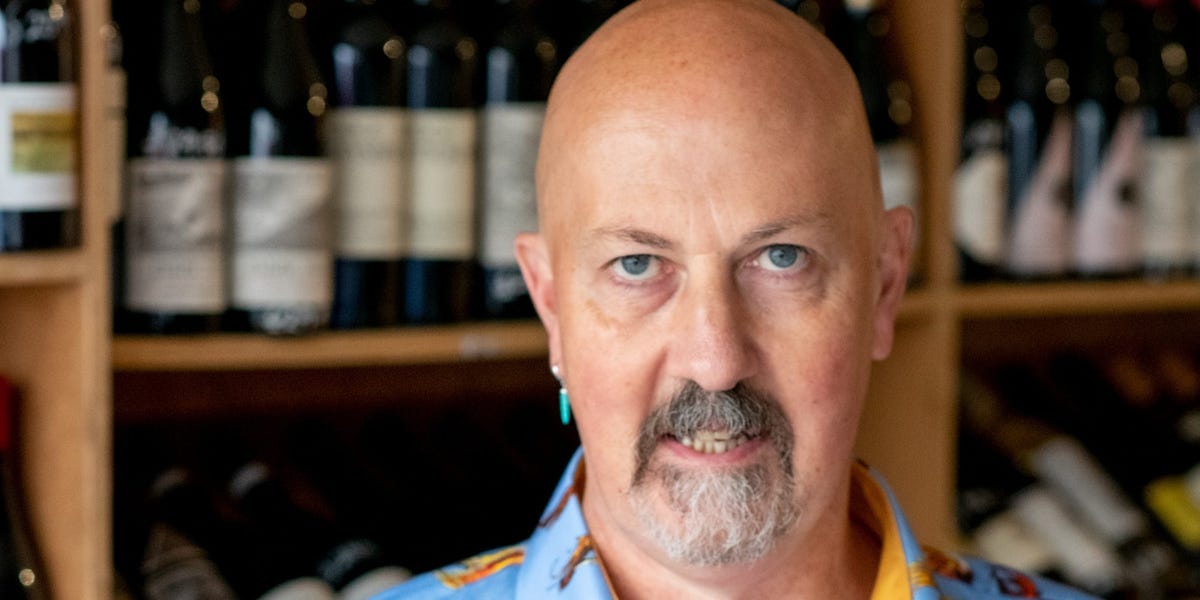
Discovering Prostate Cancer at 49: How My Life Changed Post-Treatment
It was during a family holiday on a boat when my world tilted on its axis. That was when the call came; my doctor informed me that my PSA levels were slightly elevated for someone my age and further testing was needed to rule out cancer.
Not the most relaxing news, to say the least.
Upon my return, a medical examination confirmed that one side of my prostate felt abnormal.
Overwhelmed by Treatment Options
The official diagnosis came in 2019: early-stage prostate cancer. I was 49. After a series of troubling UTIs and being on antibiotics, my doctors expedited the process beginning with an MRI followed by two biopsies. My Gleason score indicated treatment was necessary.
I imagined professionals would recommend a specific path; instead, the choice was mine. In retrospect, having numerous options made the decision harder.
It took a chance encounter with a familiar-faced urologist at the hospital to push forward. He bluntly stated, “We need to take care of this,” and a camaraderie was forged.
Opting for Surgery
Come spring 2020, I had decided on a prostatectomy. Post-surgery felt akin to being struck by a train, and recovery was a demanding year-long journey.
Pain and incontinence were companions I didn’t wish for, yet they slowly dissipated. Though the inability to function sexually was a hurdle, I didn't lose confidence in my masculinity. Change was a new constant I learned to handle.
Physical Resilience
Those early post-surgery days of struggling with incontinence are a distant memory now.
Reigniting our intimate life was an adaptation for both my wife and me. A regimen of daily Viagra for a year facilitated my return to normalcy.
With support, diligent exercise, and a positive outlook, my physical wellness is nearly restored, though my perspectives remain deeply altered.
Embracing Change
Therapy was foreign to me until a friend’s nudge led me there. Juggling health concerns alongside grieving losses and business challenges, I found unexpected comfort in therapy.
Joining a men’s group, something I once resisted, became transformative. It turned out to be rewarding discussing personal struggles and masculinity with others, forming profound bonds through shared vulnerability.
I’ve learned to remain connected, become more expressive emotionally, and value the strength found in vulnerability.
Leave a Reply