


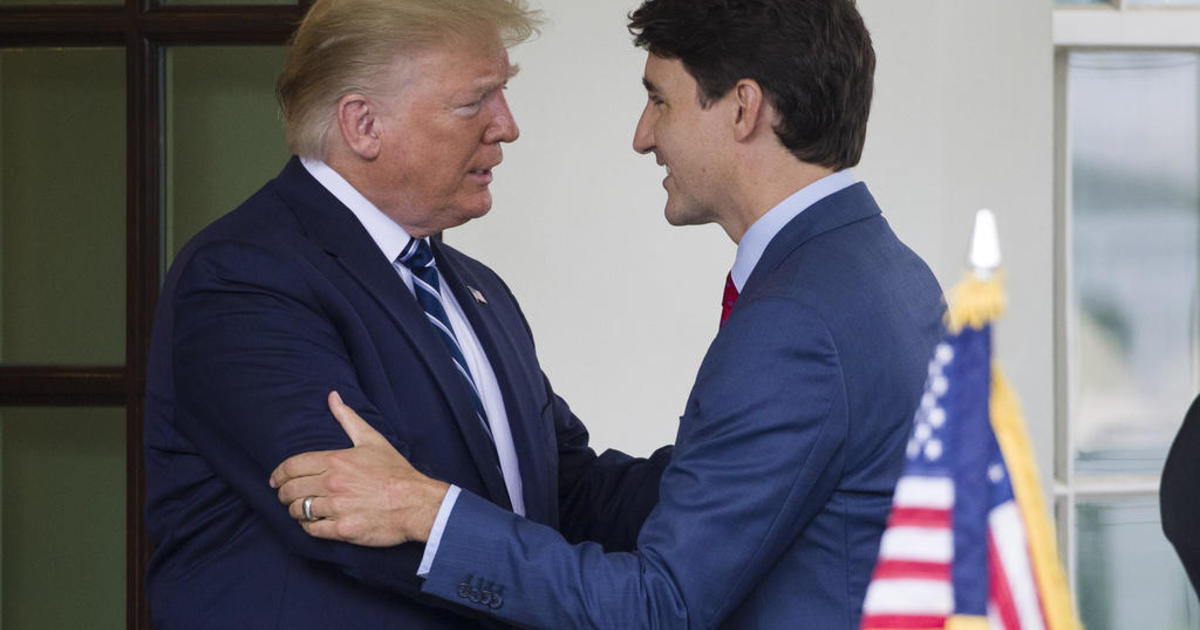
Trudeau Warns of Rising U.S. Prices under Trump's Proposed Tariffs
Canadian Prime Minister Justin Trudeau has expressed concern about potential tariffs President-elect Donald Trump plans to implement on Canadian imports. He predicts these tariffs would increase costs for American consumers and negatively affect U.S. businesses.
Trump has suggested imposing a steep 25% tariff on imports from Canada unless issues with drug trafficking and immigration along both the northern and southern borders are addressed. Trudeau, speaking from Prince Edward Island, underscored that these statements are likely not just rhetoric, but intentions Trump aims to fulfill.
Trudeau argued that imposing such tariffs would not only harm Canadian workers but also inflate prices for American consumers. He mentioned the additional cost on various products, like potatoes coming from Prince Edward Island, as an example.
If enacted, these tariffs could disrupt the newly renegotiated North American trade agreement, an agreement hailed by Trudeau as mutually beneficial. He emphasized the potential for continued collaboration, as seen in previous successful negotiations.
Trump reiterated his tariff threats while addressing illegal immigration issues, drawing comparisons between southern and northern border activities. Despite lower illegal crossings at the Canadian border compared to the Mexican border, Trump remains focused on controlling these numbers.
Furthermore, the issue of illegal narcotics, like fentanyl, is predominantly a concern at the southern border. In the previous fiscal year, far more fentanyl was confiscated at the Mexican border than at the Canadian one.
Despite these disparities, Canada is prepared to enhance border security measures. Trudeau mentioned ongoing dialogue with Trump aiming to mitigate these concerns through constructive discussions.
Mexico's President Claudia Sheinbaum remains optimistic that diplomatic efforts will forestall any severe actions from Trump. Meanwhile, she confirmed discussions with Trump to halt unauthorized migration.
Recalling past experiences, Trudeau noted that previous tariffs led to equal and opposite reactions from other countries, including significant retaliatory measures from Canada targeting American goods.
While Canada is exploring possible retaliatory tariffs, no definite decisions have been made as officials determine appropriate targets.
In the U.S., business leaders have quickly raised alarms over potential economic drawbacks of massive tariff implementations. Some legislative efforts are underway to limit presidential powers regarding abrupt tariff impositions, attributing concerns to potential price hikes on necessities such as automobiles, footwear, housing, and food.
As Canada's top export market, the U.S. benefits significantly from trade, with daily exchanges worth billions in goods and services. In particular, the U.S. relies on Canada for critical supplies, including steel, aluminum, and uranium, underscoring the strategic importance of their economic relationship.
Leave a Reply