


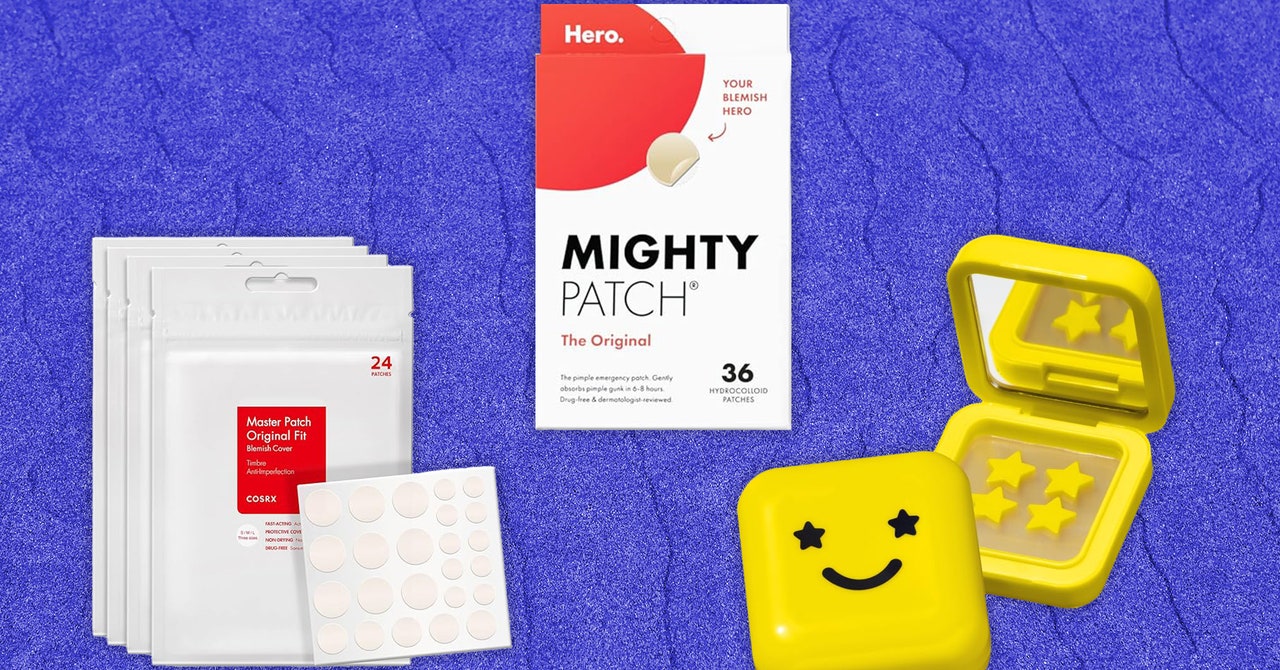
A Comprehensive Guide to Pimple Patches
The Evolution of Acne Treatment
Before the advent of pimple patches, covering acne involved layers of makeup like foundation and concealer or opting for clever hairstyles to draw attention away. However, a modern, minimalistic solution has emerged—using a pimple patch to treat and manage acne without hiding it under piles of product.
This new skincare tool reshapes our perception from concealing to embracing acne as a natural occurrence of life. Pimple patches allow you to treat your skin condition effectively, making the process more like decorating your face with a small, vibrant sticker rather than concealing an embarrassment.
Understanding Pimple Patches
Pimple patches are tiny adhesive pads designed to individually treat acne by absorbing fluids, expediting the healing process, and discouraging skin picking. They vary in composition and are tailored to different types of breakouts, but hydrocolloid patches are the most frequently recommended.
The Mechanism of Hydrocolloid Patches
Functioning as an advanced type of wound care, hydrocolloid patches foster a moist milieu conducive to healing. Consisting of a water-absorbing substance affixed to a thin plastic layer, these patches draw out impurities like pus from open pimples. Developed in the 1930s for wound dressing and reintroduced for acne treatment in the 2010s, these patches not only cleanse but protect blemishes from further irritation or infection.
When placed over inflamed pimples, these patches form a protective barrier, drawing out impurities and reducing the temptation to pick at blemishes inadvertently prolonging the healing time or causing scars.
Spot Treatment Alternatives
Traditional spot treatments often feature ingredients like benzoyl peroxide or salicylic acid, which while effective, may cause dryness or irritation. Hydrocolloid patches, lacking these active components, are gentler and suitable for sensitive skin types.
Frequency and Usage Guidelines
Why limit your pimple patch use? Dermatologists suggest wearing them as needed, typically for about 12 hours, making overnight use optimal. These patches are especially beneficial for lesions with fluid content much like pustules or cysts. Despite their efficacy, they shouldn't be the sole acne treatment as they do not prevent future outbreaks or tackle issues like cysts or blackheads.
Oily skin may reduce the staying power of patches, though it generally shouldn’t present a problem. Additionally, those with darker skin should be cautious about sun exposure while wearing patches to prevent pigmentation.
Helpful Hints for Best Results
To maximize the effectiveness of a pimple patch, start with a clean slate by ensuring the acne-prone area is thoroughly cleaned beforehand. Moisture on the skin might prevent patches from adhering properly. While popping pimples is advised against, if a spot inadvertently bursts, a hydrocolloid patch can facilitate healing. Also, be aware that some products may include additional agents like tea tree oil or niacinamide, which may cause reactions if you have allergies.
Leave a Reply