


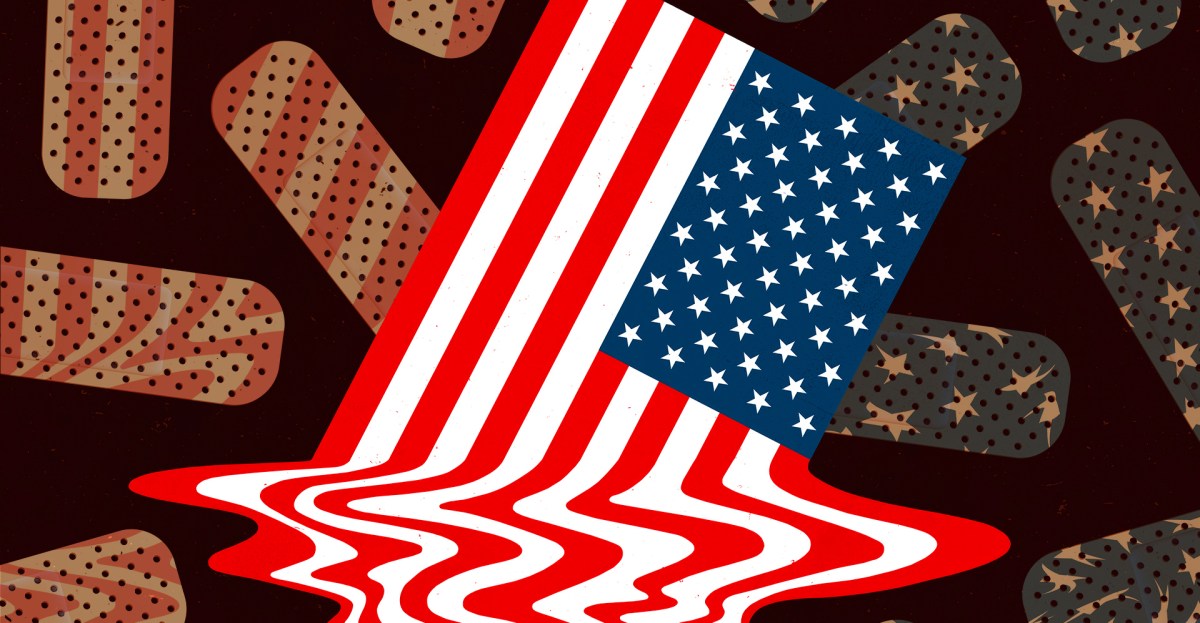
America's Increasing Division is Affecting Health Negatively
The political chasm in the United States is wider than ever, and this isn't just a social issue—it’s impacting public health in significant ways.
The Health Implications of Political Polarization
According to Matthew Motta, a Boston University political scientist, rising partisanship is affecting our health decisions negatively. Political influence is shaping public health policies, leading decision-makers to align health practices with political ideologies. This political theatre discourages trust in experts, promotes risky health choices, and dismisses beneficial policies.
No political group is immune from this polarization, says Jay Van Bavel, a psychologist from New York University. The divide influences everyone’s ability to make rational health decisions.
The Influence of Robert F. Kennedy Jr.
In a contentious move, Robert F. Kennedy Jr. was chosen by Donald Trump for a key health leadership position. Known for his fluctuating political allegiance, Kennedy’s emphasis on skepticism towards institutions resonates with many Americans.
Experts raise concerns that promoting Kennedy can amplify his controversial views; however, it might also provide opportunities for meaningful bipartisan public health discourse.
Health Consequences of Polarization
Jonathan Oberlander from the University of North Carolina points out that political partisanship skews perceptions of medical risk and appropriate preventive measures. Political identity notably influenced varying COVID-19 responses between party lines, impacting the effectiveness of health interventions.
Strategies to Mitigate Partisan Bias
To overcome partisan prejudice, reducing exposure to polarizing content on social media is recommended. Engaging in political discussions in person rather than online helps reduce emotional divides.
Adopting policies not strictly benefiting one's political group is often resisted, with a rise in 'partisan schadenfreude.' This era of polarization witnesses both sides relishing in the misfortunes of the other.
Polarization and Health Provider Trust
A survey reveals mistrust toward political bias within health care, with many young adults reluctant to seek advice from oppositely aligned health professionals. This atmosphere erodes the traditional trust in health care providers, presenting risks when the availability of such professionals is diminishing.
Breaking the Cycle of Polarization
Polarization perpetuates itself through a feedback loop with political elites, who increasingly adopt extreme stances. Motta suggests politicians publicly admitting wrong stances on health issues as a potent message for reducing division, a rare phenomenon in political circles.
Creative strategies to find common ground are needed. A study showed that persuading Republicans to vaccinate using media featuring a supportive Trump increased acceptance, highlighting tailored messaging's potential.
Implications of Kennedy’s Role
Kennedy’s position might realign public health beyond partisan labels, and while his push for deregulation aligns with various ideologies, it risks advancing scientifically unsubstantiated views. Engagement and open dialogue are crucial for reconciling disagreements in his public health approach.
While some anticipate Kennedy as a divisive figure in health leadership, others see a chance for bipartisan collaboration. The outcome depends on his influence and whether it bridges trust or further widens the health polarization gap.
Leave a Reply