


Progress Toward Israel-Hezbollah Ceasefire: Key Details and Implications
Anticipated cessation of conflict, its structure, and what could unfold next.
A temporary halt in hostilities between Israel and Hezbollah, spanning 60 days, will commence at 4 am local time in Lebanon on Wednesday, as declared by President Joe Biden today.
The cessation, arranged diplomatically by the United States and France, has potential to pave the way for an enduring peace agreement in Lebanon. The conflict saw its intensity rise when Israel entered Lebanon in late September, mainly targeting Hezbollah, a Shia militant faction aligned with Hamas, Israel's adversary in Gaza. This followed Hezbollah's attacks on Israel, responding to Israeli actions in Gaza as retaliation against the October 7, 2023, intrusion by Hamas, resulting in significant Israeli casualties.
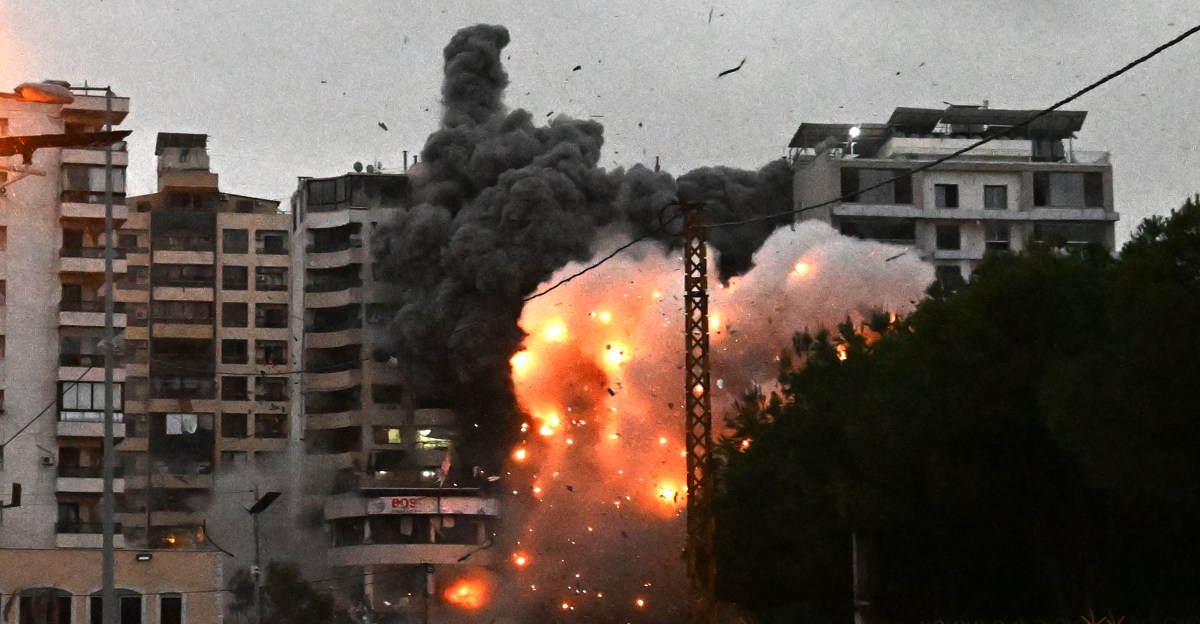
This announcement occurs amidst heavy bombardment in Beirut, including densely inhabited localities, marking over a year since the onset of Israel's Gaza campaign, which has witnessed immense loss of life and devastation.
Current Conflict Dynamics
The Israeli cabinet endorsed the ceasefire plan on Tuesday, while Lebanese officials will deliberate on it Wednesday morning. Hezbollah, while not directly involved in the talks, expressed conditional acceptance, demanding Israel cease its aggressive actions and respect Lebanon's sovereignty.
The pursuit of a ceasefire follows initial failed attempts, with US and French efforts stalling previously in late September. Since then, Hezbollah's capabilities have been notably weakened, with key losses among its ranks, including the death of its prominent leader, Sayed Hassan Nasrallah, during bombings near Beirut. Israel has not officially claimed responsibility but is believed to have orchestrated these attacks.
Recent escalations saw intense bombardment across Beirut, corroborated by Lebanese reports, with fatalities reported nationally. The prolonged conflict between Israel and Hezbollah has led to significant casualties, with thousands of Lebanese and dozens of Israeli civilians affected. An estimated 60,000 Israelis have relocated from border regions amid exchanges of rocket fire initiated by Hezbollah in conjunction with Hamas-led offensives.
Details of the Israel-Hezbollah Ceasefire
The ceasefire is expected to last for 60 days, but there are hopes it might be a precursor to lasting peace between Hezbollah and Israel. Mediated by US and French diplomacy, the agreement includes mutual non-aggression and phased Israeli military withdrawal across the Blue Line, the demarcated border, while Hezbollah is to redeploy north of the Litani River.
Despite this, the situation remains fragile. Prime Minister Netanyahu stressed that Israel reserves the right to retaliate if Hezbollah attempts to rebuild its arsenal or infrastructure, including rocket launches or tunnel construction.
Monitoring and Peacekeeping Measures
Commitments from Hezbollah are tentative, pending a review of Lebanese official stipulations aligning with their expectations. Any Israeli aggression would be met with responses from Hezbollah. To ensure compliance with the ceasefire, numerous Lebanese forces and UN peacekeepers will be stationed in southern Lebanon. The US is to lead the monitoring of adherence to the agreement terms.
President Biden, in his Tuesday briefing, reassured that US military troops will not be deployed to Lebanon but clarified that personnel may operate from the embassy if required. The focus remains on providing security assistance without direct engagement in combat.
Outlook and Challenges
The potential framework for a continuous peace deal remains the objective for Israel and Lebanon. However, before this agreement takes effect, significant obstacles lie ahead. Israel retains the right to counteract if Hezbollah breaches their obligations. Netanyahu detailed several potential violations, including drone surveillance over Lebanon, which Lebanese officials argue was not consented to in the negotiations. On Wednesday morning, Lebanese officials are set to deliberate on the ceasefire accord's specifics.
Biden also alluded to efforts towards a Gaza ceasefire earlier in his term. Hezbollah had previously linked its ceasefire consent to progress in Gaza peace talks, given both groups are backed by Iran. Pushing these peace talks forward remains a logical and necessary step.
Leave a Reply