


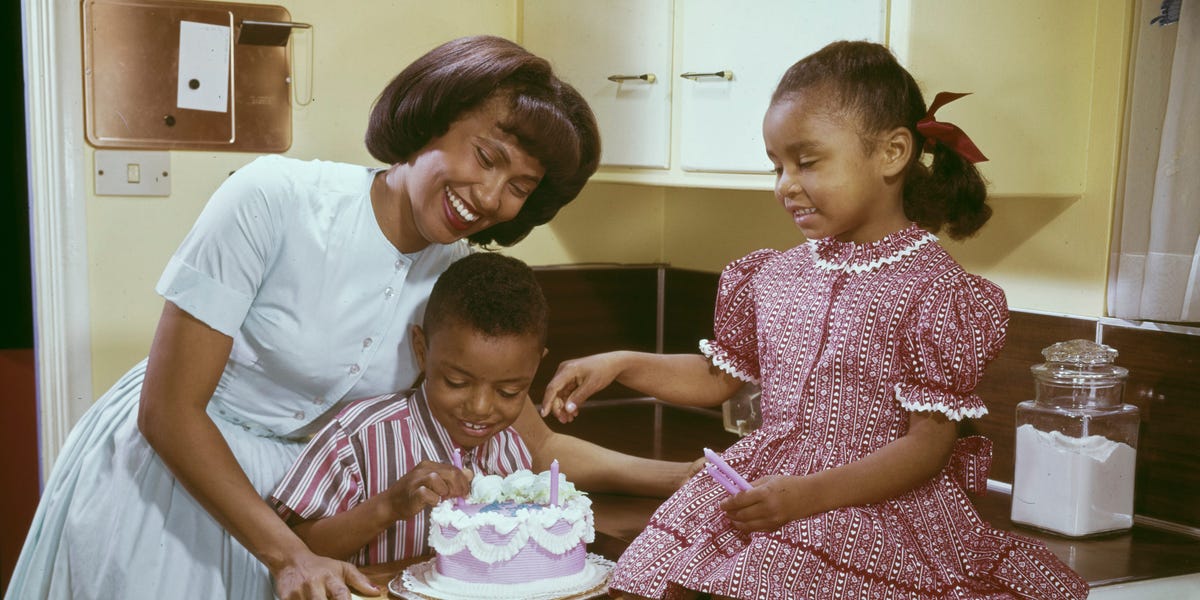
15 Historical Photos Illustrate Changes in Motherhood in the US
Although Mother's Day has passed, many believe mothers deserve recognition well beyond the holiday.
Motherhood presents a diverse spectrum of experiences, influenced by cultural backgrounds, economic conditions, and family dynamics, making each mother's journey unique.
Over the years, the concept of motherhood in America has been reshaped significantly due to evolving societal norms and parenting philosophies.
Varied Motherhood Experiences in the 1800s Based on Socioeconomic Status
In the 19th century, affluent women typically enlisted the aid of midwives and wet nurses for childbirth and childcare, while lower-income women contended with the harsh realities of child-rearing, including a high rate of infant mortality.
Women from impoverished backgrounds often took up roles as wet nurses, breastfeeding the offspring of wealthier families but consequently had to leave their own children unattended, as bringing them to their workplace was prohibited.
Introduction of Baby Formula in the 1890s
By the end of the 1800s, baby formula began to appear in households, providing a substitute for breastmilk especially as industrial work schedules became more demanding.
Originally, milk mixtures dated back to 1865, but many early versions lacked essential nutrients. The industrial boom necessitated detailed infant care guides, which helped parents organize their child's feeding around their work schedules.
Urbanization made it harder to access fresh milk from farms, leading to a greater reliance on powdered formula as a nutritional alternative when breastmilk was insufficient.
Continued Popularity of Wet Nurses into the Early 20th Century
Well-heeled families sustained the tradition of wet nursing well into the 1910s, recognizing it as a reliable method to nurture their children.
A survey conducted in 1913 among medical professionals across the US revealed that the majority had been involved in hiring wet nurses for families, showcasing the practice's prevalence.
World War I: A Turning Point for Women in the Workforce
Entering the workforce out of necessity was common for women in the late 19th century, but World War I marked a significant increase in female employment, a trend that persisted throughout the century. By 1920, women represented one-fifth of the workforce, highlighting the need for balancing employment with familial responsibilities.
Technological Advancements Easing Domestic Work
As women's participation in the workforce grew, so did the demand for efficient household appliances. The advent of electric washing machines by 1910, which saw annual sales exceeding 40,000 units, showcases this shift toward minimizing domestic labor.
Scientific Approaches to Childcare in the 1910s
The early 20th century ushered in a wave of scientific approaches to parenting, spurred by advancements in medicine and psychology. Guidelines issued in 1914 emphasized the importance of structured nursery setups and feeding schedules.
Parenting approaches transitioned from a compassionate, maternal style to more regimented methods that emphasized discipline, aiming to produce more obedient children.
Hospital Births Rise by 1935 to Improve Infant Mortality Rates
Around 1900, most births took place at home, often with midwives. However, by the mid-1930s, over half of births occurred in hospitals as women sought advanced medical resources despite initial maternal mortality remaining unchanged.
This shift was further bolstered by state policies discouraging home births and midwifery, which did not gain formal recognition until the 1920s.
World War II: Universal Childcare to Support Working Mothers
To facilitate female workforce participation during World War II, the government launched programs offering affordable childcare, charging nominal daily fees that significantly augmented women's ability to work.
Although beneficial, these initiatives ceased in 1946 following the war's conclusion.
1950s Advertising Projects Baby Formula as the Superior Choice
By the 1950s, aggressive marketing by baby formula companies convinced many mothers, sometimes with backing from medical practitioners, that their product was a healthier alternative to breastfeeding, especially when maternal stress was a concern.
The shift contributed to a marked decline in breastfeeding rates, which bottomed out in 1971 with only a quarter of new mothers breastfeeding before leaving the hospital.
The 1960s: A Shift Toward Dual-Career Households and Childcare Needs
During the 1960s, more women were working outside the home, prompting shifts in family structures. The government responded by expanding childcare support like Project Head Start, which is still ongoing today and serves children from low-income families.
Resurgence of Breastfeeding in the 1970s
The feminist movement and revelations about formula’s drawbacks sparked a breastfeeding revival. Campaigns accused formula companies, notably Nestlé, of unethical practices, leading to significant legal battles and eventual WHO guidelines advocating breastfeeding.
Growing Childcare Demands as Workforce Inclusion Grows
Female workforce participation remained high into the 1980s, underscoring an urgent demand for childcare services, with increasing numbers of children enrolled in day care.
Paid Maternity Leave Discussions Expand in the Mid-1980s
In the mid-1980s, dialogues around paid maternity leave began gaining momentum, culminating in the Family and Medical Leave Act of 1993, albeit with limitations affecting many workers.
Contentment of Children Amidst the ‘Mommy Wars’ of the 1990s
Discord between working and stay-at-home mothers grew during the 1990s, but research by Ellen Galinsky highlighted that children did not necessarily desire more time with parents but rather wished their parents were less stressed.
Simultaneously, a paradigm shift occurred in parenting styles, with younger parents adopting less disciplinarian approaches.
Digital Age Brings Community-Building Through Mommy Blogs
The digital revolution empowered mothers to connect through blogs, offering platforms to discuss motherhood's complex realities, fostering support networks that highlighted issues like postpartum depression, and raised awareness on previously neglected maternal concerns.
Leave a Reply