


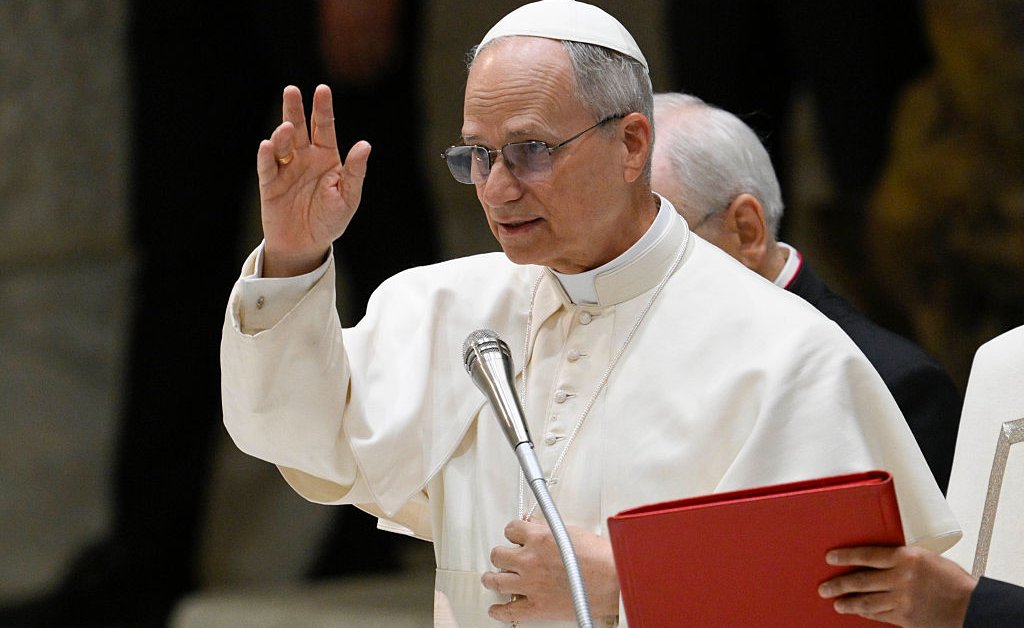
Pope Leo's Emerging Influence on Global Leadership
On May 18, during the official commencement of his papal ministry, the new pope was accompanied by the Patriarch of the Eastern Orthodox Church. As they both walked to the tomb of St. Peter, a transformative journey for Robert Francis Prevost began, marking his ascension as the leader of the largest religious community globally.
While Prevost's journey to the papacy didn't begin in Rome, it did start many years ago. Two days post-election, the streets of Pope Leo XVI’s previous episcopate were brimming with excitement. People gathered at the Cathedral of Santa Maria de Chiclayo in Peru, loudly celebrating Leo’s ascent to the papacy, reflecting the city's emotional connection with him.
A Unique Intercontinental Legacy
Although Pope Leo XVI is recognized as the first pope from the United States, for the people of Chiclayo, Peru, he embodies a local hero. Robert Prevost spent significant years in Peru, where he dedicated himself to pastoral work, eventually becoming the bishop of Chiclayo and acquiring Peruvian citizenship.
Prevost’s transnational identity positions him as a bridge-builder, contrasting sharply with the prevailing isolationist policies of the U.S. administration. His leadership style emphasizes cross-cultural dialogue, compassion, and inclusivity, especially for marginalized communities such as immigrants and impoverished groups.
Continuing a Latin American Legacy
Following in the footsteps of Pope Francis, the first pope from the Americas, Pope Leo embraces a similar dedication to the less fortunate in Latin America. Both share a profound commitment to serving those on the peripheries, having been shaped by their experiences among the poor and vulnerable communities.
Embracing the Mission
In his inaugural address, Pope Leo paid homage to Pope Francis by upholding a vision of an inclusive church that fosters dialogue and bridge-building. His leadership message centers on equality and servitude—especially towards those marginalized—echoing the essence of the Gospel.
Leo's papacy is informed by his personal experiences of migration and cultural integration. Becoming a part of Peruvian society and working closely with Venezuelan migrants has deeply influenced his approach to social justice, particularly his efforts to mitigate human trafficking and address health crises during the pandemic.
A Global Leader in Troubling Times
Pope Leo's leadership style challenges the nationalist and isolationist rhetoric from the current U.S. administration. His vision and experience signify a leadership paradigm rooted in service, with a steadfast commitment to uplifting marginalized voices over asserting dominance and control.
His experiences as a global citizen promote an understanding of leadership that thrives on service and empathy, encouraging a pursuit of peace and dialogue. In these ways, Pope Leo’s papacy stands as a potential pathway to healing and unity much needed in today's fractured world.
Leave a Reply