


Hollywood's Struggle Amid Global Production Rivalry
Production Decline Signals a Critical Point for Hollywood
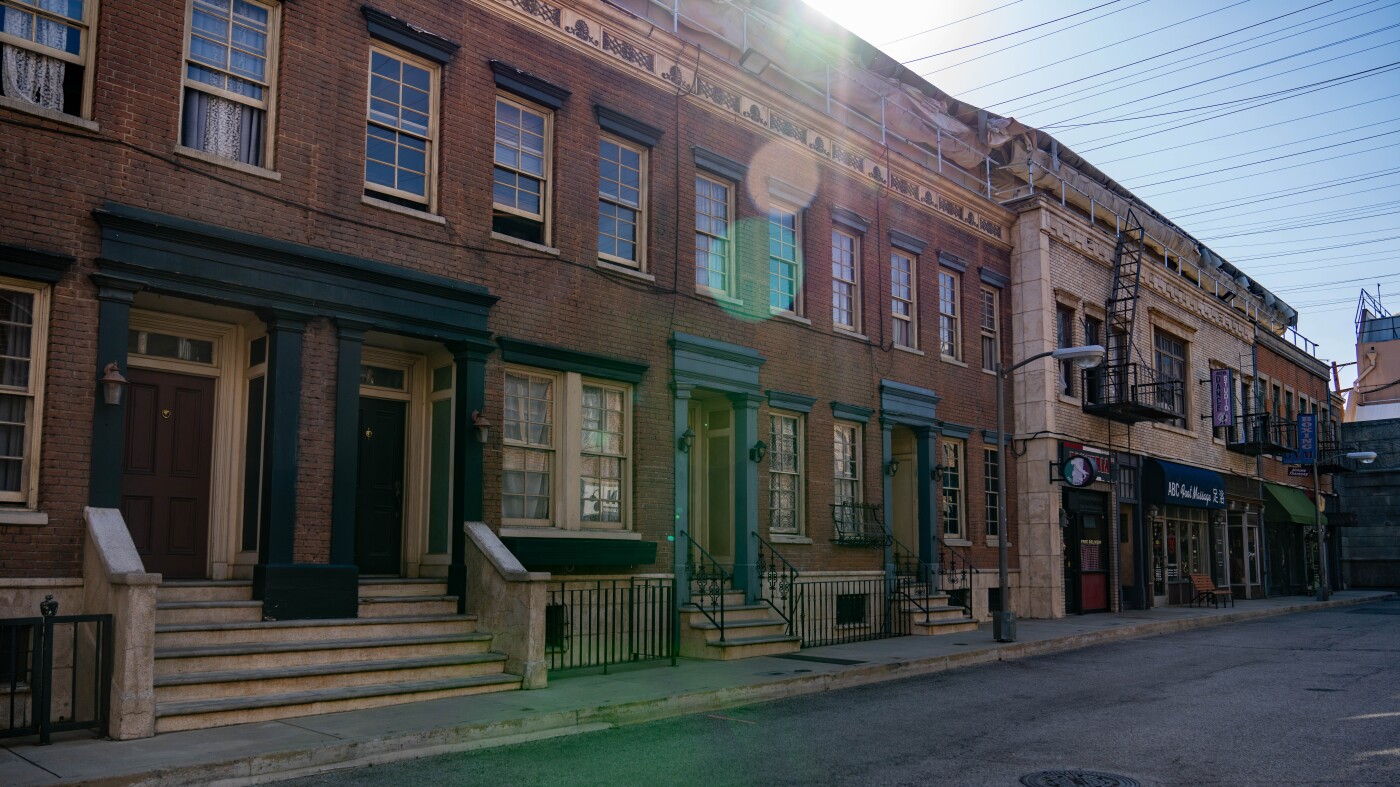
Within the Radford Studio Center's vast expanse in Los Angeles, lies a meticulously crafted simulation of a New York City street, fully equipped with iconic elements such as a diner and a bodega.
Dating back to 1928, the facility, originally established by silent film veteran Mack Sennett, transitioned from a lettuce farm to a hub for classic television works and blockbuster hits in the 1990s.
Zach Sokoloff, overseeing operations at Hackman Capital Partners, describes the storied nature of this site, which housed numerous well-known productions, including a memorable 'Soup Nazi' episode.
Challenges of Retaining Productions in California
The challenge of attracting productions back to California has grown as other locations offer compelling incentives. A tangible example is the meticulous recreation of a New York streetscape to prevent iconic shows from relocating.
Recent rhetoric from former President Trump about instituting tariffs on films created overseas highlighted these tensions, prompting discussions about federal support for American productions.
Voiced by figures such as Jon Voight and Sylvester Stallone, along with industry bodies, there’s a strong push for government incentives tailored to attract film projects back to domestic grounds.
Incentives and Global Production Competitions
FilmLA reports highlight the stalled recovery of production activities following recent industry strikes and the pandemic's disruption. The slowdown has spurred cities and countries worldwide to introduce enticing offers to filmmakers.
Numerous states and around 100 international territories, including the UK and Australia, provide attractive perks, further intensifying global competition. Even unexpected locations like Thailand lure entire seasons of major productions with their incentives.
The Domestic Battle for Show Business Jobs
States within the U.S. are also clamoring for their slice of Hollywood’s pie by enhancing their production supportive budgets. New York recently escalated its allocation by $100 million, reflecting a fierce domestic competition.
Personalities like Woody Harrelson advocate for leveraging Texas's financial surplus to transform it into a creative hub, although some industry professionals argue for the intrinsic value of California as a filming locale.
California's Stakes and Responses
Initially hesitant, California began offering film credits in 2009 to curb productions' migration, but industry voices, including those of A&E's Steven Jaworski, urge for enhancements to stay competitive.
Despite the state's vast talent and infrastructure, HBO's Casey Bloys cites the unpredictability within the current credit system as a hindrance, intensifying calls for program reforms.
Proposed State and Federal Measures
Governor Gavin Newsom has proposed overhauls to California’s tax breaks, working towards a multi-billion-dollar initiative seasoned with support from Trump’s administration to entice productions back.
Organizations like Stay in LA, co-founded by Pamala Buzick Kim, emphasize the necessity of nurturing Hollywood’s core workforce—predominantly middle-class workers—a stark contrast to the glamorous industry perception.
In conclusion, while international competition intensifies, efforts persist to reinforce California and America’s status as a prime production destination. Advocates call for strategies that reward local production rather than tactics penalizing international projects.
Leave a Reply