


Agreement on Climate Finance Reached After Contentious Debate
A number of nations expressed strong dissatisfaction with what they perceived as significant defects in the financial proposal, which aims to allocate $300 billion annually to assist developing countries.
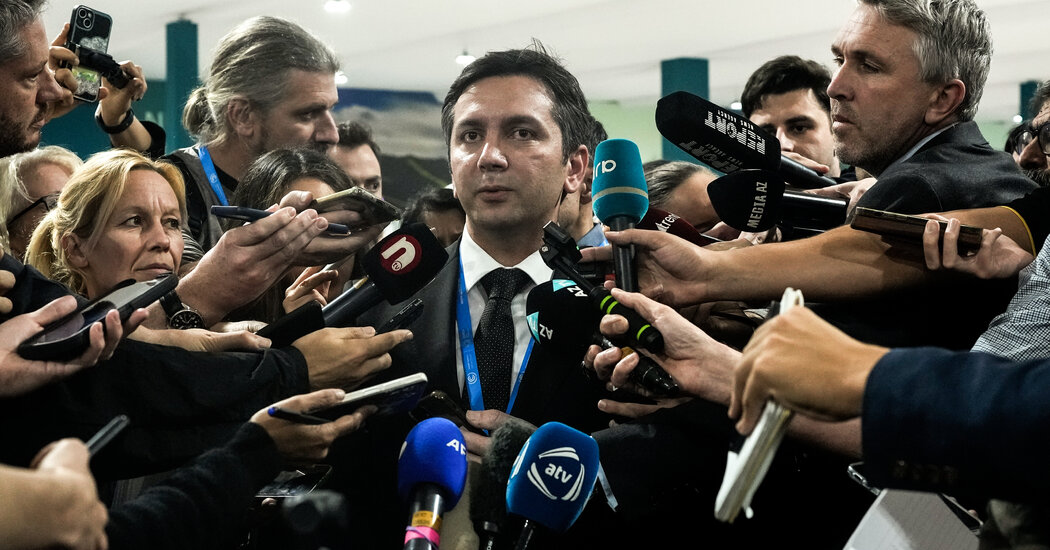
Report from the United Nations COP29 climate negotiations in Baku, the capital of Azerbaijan.
Financial Deal at COP29
During the COP29 climate conference held in Baku, diplomats reached a tentative accord to significantly increase financial support for burgeoning economies. Wealthier countries pledged nearly $300 billion a year by 2035, enhancing the previous goal from $100 billion.
Nonetheless, specialists outside of these negotiations argue that developing nations require approximately $1.3 trillion each year. They point out this sum as necessary for smooth energy transitions in less affluent regions, in addition to these countries' current expenses, to limit global temperature rise to 1.5 degrees Celsius. Any increase beyond this limit could result in more hazardous and irreversible consequences of climate warming.
Challenges and Criticisms
The plan pushes private sectors and global financial institutions like the World Bank to bridge the financial gap, perceived by some as a way for wealthier nations to sidestep their responsibilities.
Upon the formal approval of the decision by Azerbaijani officials, India's representative, Leena Nandan, criticized the proceedings, accusing them of being manipulated.
She declared the sum inadequate, urged developed countries for greater commitment, and termed the agreement a mere facade.
Global Opposition
Delegates from numerous developing countries, including Bolivia and Nigeria, echoed Nandan's sentiments, vehemently disapproving the agreement.
Leave a Reply