


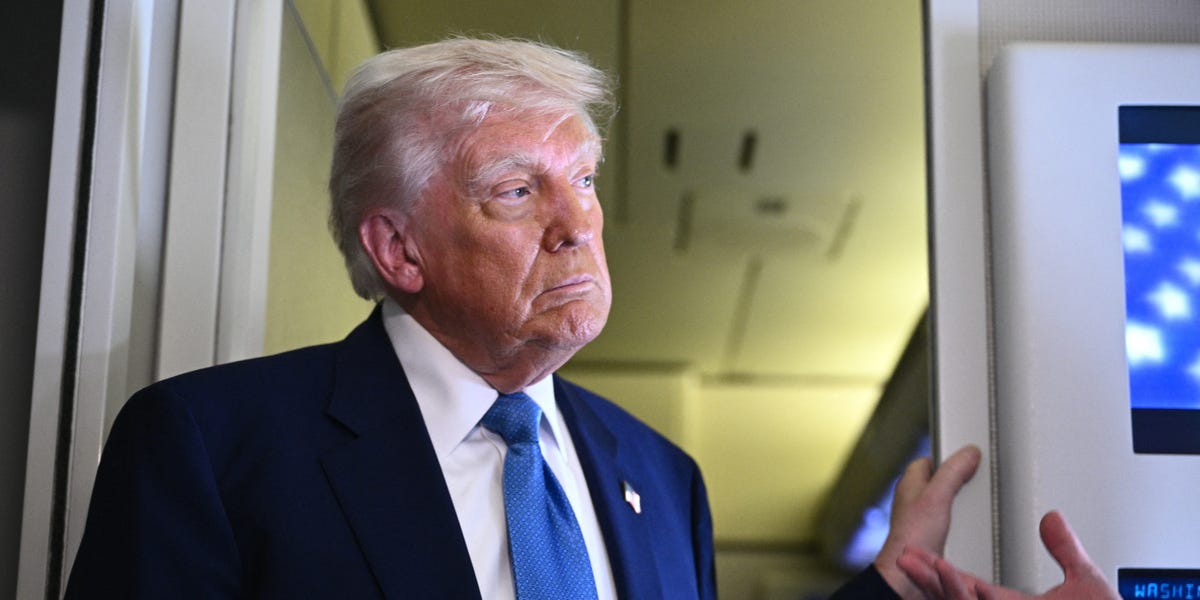
Convincing Donald Trump of a Corporate Merger: Frame It as Boosting America
Charter Communications, a major player in the cable and broadband sector, has plans to acquire Cox Communications, a smaller entity in the same industry.
If you're one of the customers of these companies, you might be curious about how this affects you. But how does it resonate if you're in the Oval Office?
Charter's strategy is to market the merger as a catalyst for America's renewal.
In these current times, the Trump 2.0 phase shows a distinct trend: mergers are being marketed as endeavors patriotic in nature.
Charter's public statement claims the merger will usher in "significant advantages for American workforce, consumers, communities, and investors."
They further assure that the merger will "offer exceptional products that cut costs for American households, and we plan to bring jobs back from abroad to establish new, well-paying roles for American workers."
The message is clear: this merger prioritizes America by reshoring jobs and establishing new, well-compensated roles in sales and customer service.
On the flip side, Charter asserts this move isn't advantageous for non-Americans: "The joint venture will maintain its dominance in safeguarding U.S. communication links against foreign threats," according to the firm.
Importantly, one aspect of Charter's pitch is not exclusively tailored to President Trump's inclinations: Charter has a history of attempting to repatriate overseas customer service roles.
This was something favorable to Trump during his prior term—even though it was on Charter's agenda before his rise to power.
It’s routine for large enterprises to shape merger proposals to be palatable to political and regulatory bodies. Historically, these explanations focused on whether the mergers would limit competition (usual justification for an acquisition: "This is to counter Big Tech.")
However, this situation is notably unique. The outcomes are uncertain: The Trump administration's second term has been unpredictable concerning which propositions pass regulatory scrutiny and which face rejection.
At the very least, it’s causing a stir. As one competitor succinctly remarked, 'It reads like a MAGA press statement.' The underlying question remains: Could this tactic be viable?
Leave a Reply