


Impact of Tariff Accumulation on Chinese Imports
Although the Trump administration has held off on implementing the most severe tariffs on Chinese imports, many importers continue to face financial hardships. This is due to the accumulation of various trade levies that have inflated the costs of importing consumer goods, even with a preliminary trade agreement in place.
"Businesses express relief at the halt on excessive tariffs for Chinese merchandise, yet they still endure significant duties affecting product pricing and availability," observed Josh Teitelbaum, senior counsel at Akin.
Dan Anthony, leader of Trade Partnership Worldwide, highlighted the complexity of tariff layering on essential items like school backpacks, primarily sourced from China, with combined rates surpassing 70%.
These tariffs consist of existing 17.6% duties and Section 301 tariffs addressing unfair trade practices, which total 25%, plus the 30% remaining tariffs unaffected by the pause, including 20% related to fentanyl and 10% for reciprocal levies.
Retail Industry Repercussions
Walmart's CFO, John David Rainey, indicated in a recent earnings call that increased levies on goods such as food, toys, and electronics might trigger price hikes. He acknowledged navigating these scenarios is challenging due to the unprecedented pace and scope of price escalations.
Panjiva's data illuminates Walmart's major supply sources, with 34.1% of shipments originating from China, followed by 26.3% from India, and 10.6% from Hong Kong.
For numerous importers, real tariff rates on Chinese products now oscillate between 40% and 70%.
Tariff Challenges Across Product Lines
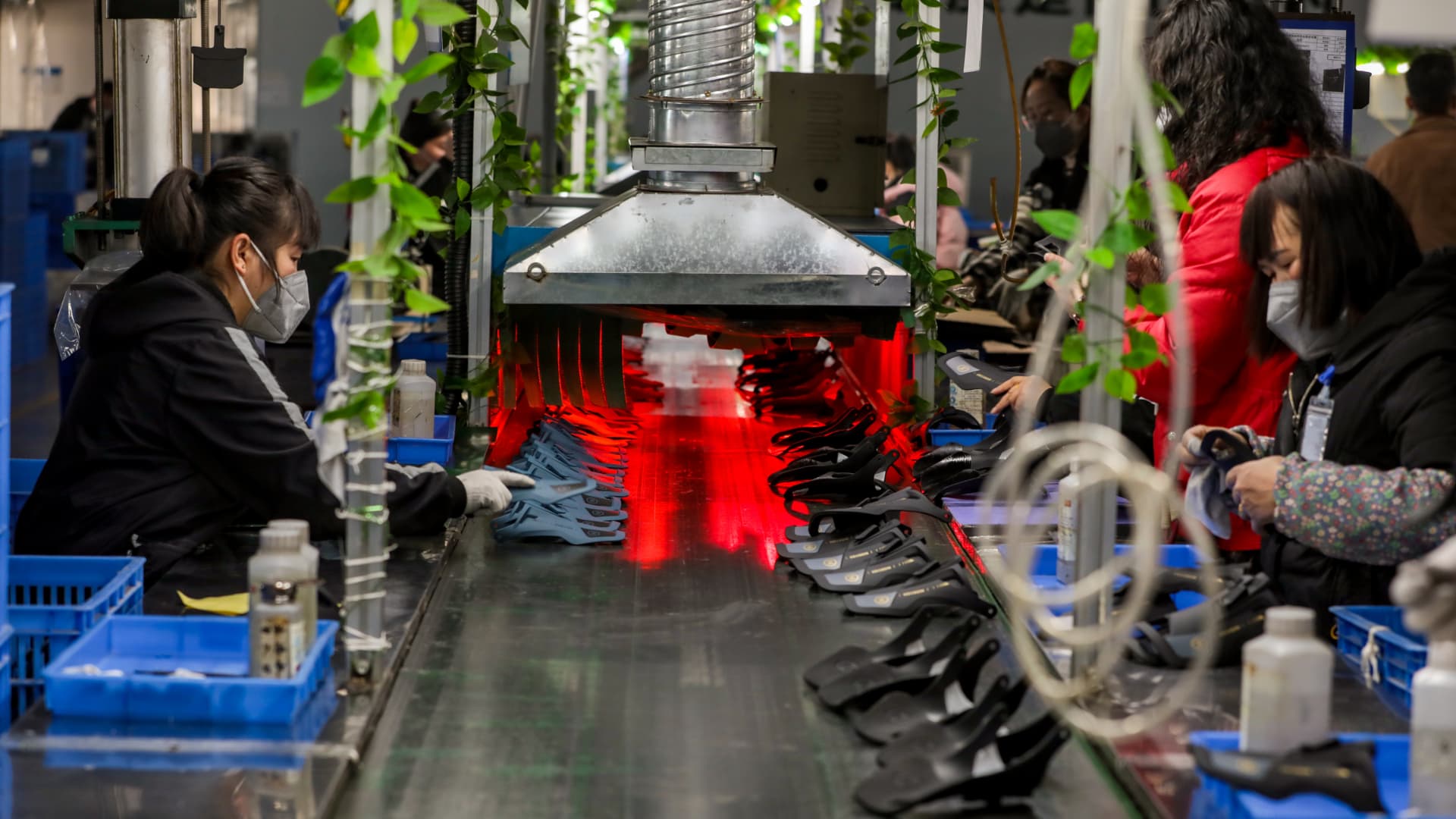
Teitelbaum pointed to footwear as a case in point, with leather sneakers for children and women imported from China attracting a 40% tariff. This breaks down to a standard WTO tariff of 10% plus 30% from fentanyl and reciprocal duties.
Matt Priest, who heads the Footwear Distributors & Retailers of America, remarked that such high tariffs on ordinary shoes are untenable, significantly affecting American families and footwear businesses.
Priest added that ordinary shoes, not luxury items, see marked price increases due to compounded duties. With the U.S. importing nearly $650 million of these shoes from China last year, the burden on working-class consumers is substantial. There is a strong call for bipartisan discussions on revising tariffs to prioritize American households.
Small Business Strains
Some small enterprises have resorted to scaling back their offerings to alleviate financial pressures. Anjali Bhargava, owner of the spice business Anjali's Cup, plans to discontinue products as her specialized, vacuum-sealed tins run out.
Facing prior tariffs at 25%, the added 30% levies became a tipping point. Bhargava notes the prohibitive cost would not only affect her finances but also impose psychological stress from ongoing uncertainties during the production and shipping timelines.
Credit and Cost Management
Bhargava underscores the importance of preserving working capital and mitigating unnecessary financial risks, especially given rising debt costs. She explains her credit line now bears an interest rate of 23% plus a 2% withdrawal fee.
Consequently, high credit card rates compound these issues for small business owners like Bhargava, who face procurement challenges, particularly when investing in packaging and ingredients months before sales.
Tariffs' Ongoing Impact
Rick Woldenberg, CEO of Learning Resources, a family-owned educational toy manufacturer, expressed concern over the 30% tariff hike's substantial cost increase, suggesting it could spur inflationary pressure.
Woldenberg detailed ongoing production challenges and the complexities brought by the tariff announcements, likening their sudden implementation to a large financial shift necessitating immediate price adjustments. His company continues reevaluating sourcing strategies, maintaining efforts to transition away from China.
Consequences for Business Confidence
Small business leaders like Woldenberg voice uncertainty about future tariffs, citing last-minute governmental decisions that exacerbate business planning difficulties. This unpredictability stifles trust and complicates long-term strategizing.
Rick Muskat, president of the family shoe retailer Deer Stags, notes that even reduced tariffs have severely impacted cash flow. Monthly expenses escalated from $60,000 to $360,000, driving necessary cost reductions and anticipated price hikes on forthcoming deliveries.
Despite present challenges, Bhargava remains hopeful, although the process of adaptation, decision-making under pressure, and ensuring business resilience has been taxing. Her focus stays on gradual, steady progress forward.
Leave a Reply