


Doom: The Dark Ages – A Tale for Fighters and Romantics
Rend and care.
If you're familiar with internet culture, you're probably familiar with the 'expectation vs. reality' memes. For Doom: The Dark Ages, I expected it to follow the vein of its predecessors like Doom Eternal and the 2016 series reboot. However, the reality was far richer, mixing in elements of wartime camaraderie, adventurous seafaring, epic battles, arcane horror, and even steamy romance novels.
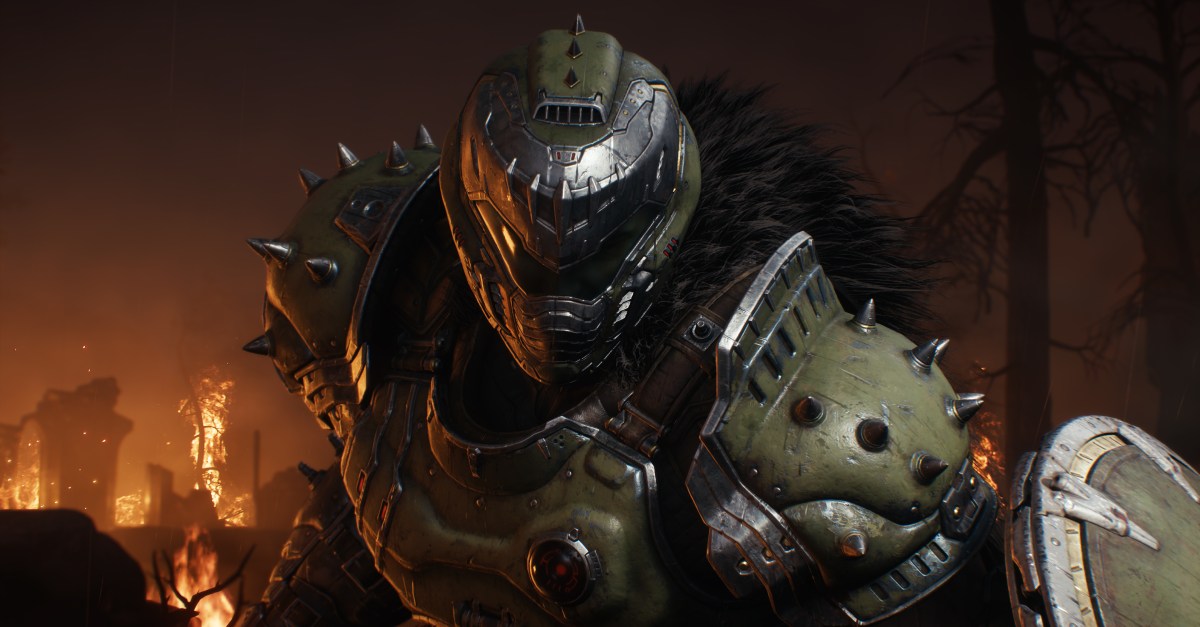
In this installment, id Software takes us to an era preceding the demonic incursions on Mars and Earth. Here, the famous Slayer is portrayed as a hero but with prehistoric appeal. Elevated by extraterrestrial beings posing as deities, the Slayer epitomizes the fight against infernal forces. When divine allies and humans are beset upon by malevolent hordes, he relentlessly battles until the very end.
Equipped with an array of weaponry, the Slayer's arsenal features fan favorites such as the renowned super shotgun. However, the ancient backdrop also introduces new tools designed for this medieval skirmish against hellish foes. Surprisingly, each weapon made a distinct impact on my gaming experience, which isn't always the case when games offer numerous armaments.
In Doom: The Dark Ages, each firearm has its own purpose, yet they're adaptable. The accelerator can dismantle energy barriers and momentarily immobilize foes post-upgrade. Meanwhile, the impaler doubles as a basic firearm and a potent long-range rifle. Despite trials with all weapons, the Slayer's protective shield brought an immense thrill to the battle scenes.
Utilizing the Slayer's shield was a highlight, transforming combat scenarios with a unique twist. The shield, when charged, allows the player to become a human projectile, creating chaos on the battlefield. This feature, aside from allowing strategic blocking, adds a tactical edge often missing in standard shooting games.
Engaging in this combat feels almost like a well-choreographed dance of destruction. Destruction starts with weakening armored foes, then deploying the shield for obliteration before reflecting counterattacks with precision. Considering such intense engagements minimize concerns about the game's limited enemy types and boss fights.
An unexpected delight was the calming, almost tranquil nature of exploration and discovery in the game. Level completion often involves uncovering hidden secrets and earning rewards for tackling puzzles with ingenuity and determination—a unique treat for outsiders to completionism.
While the primary focus is on demonic demise, the game offers segments where the Slayer commands monumental machines or majestic dragons. Yet, despite these elements' initial allure, the lack of weapon versatility in these sequences made them somewhat lackluster.
The narrative depth of this game truly captivated me. Contrary to standard expectations of the Doom series, where story plays second fiddle to action, this game’s storyline adds an unforeseen layer of zest.
Just like previous iterations, the Slayer remains a blunt instrument of vengeance, driven by clarity in his motives. Demons and accomplices face the same ruthless end. His efficient and majestic slaughter only heightens the adrenaline.
Yet, beyond the finality of combat, the Slayer reveals emotional depth. Though historically unsubtle, his gestures offer rare glimpses of his intricate character. One memorable moment sees him caressing his dragon companion affectionately before rejoining the fray, showcasing his duality: both stoic combatant and protective ally.
Incorporating both nostalgia and innovation, Doom: The Dark Ages revives the essence of childhood excitement. Recounting its adventures resembles an enthusiastic retelling of a vivid dream, blending dramatic scenes into an exhilarating saga.
Leave a Reply