


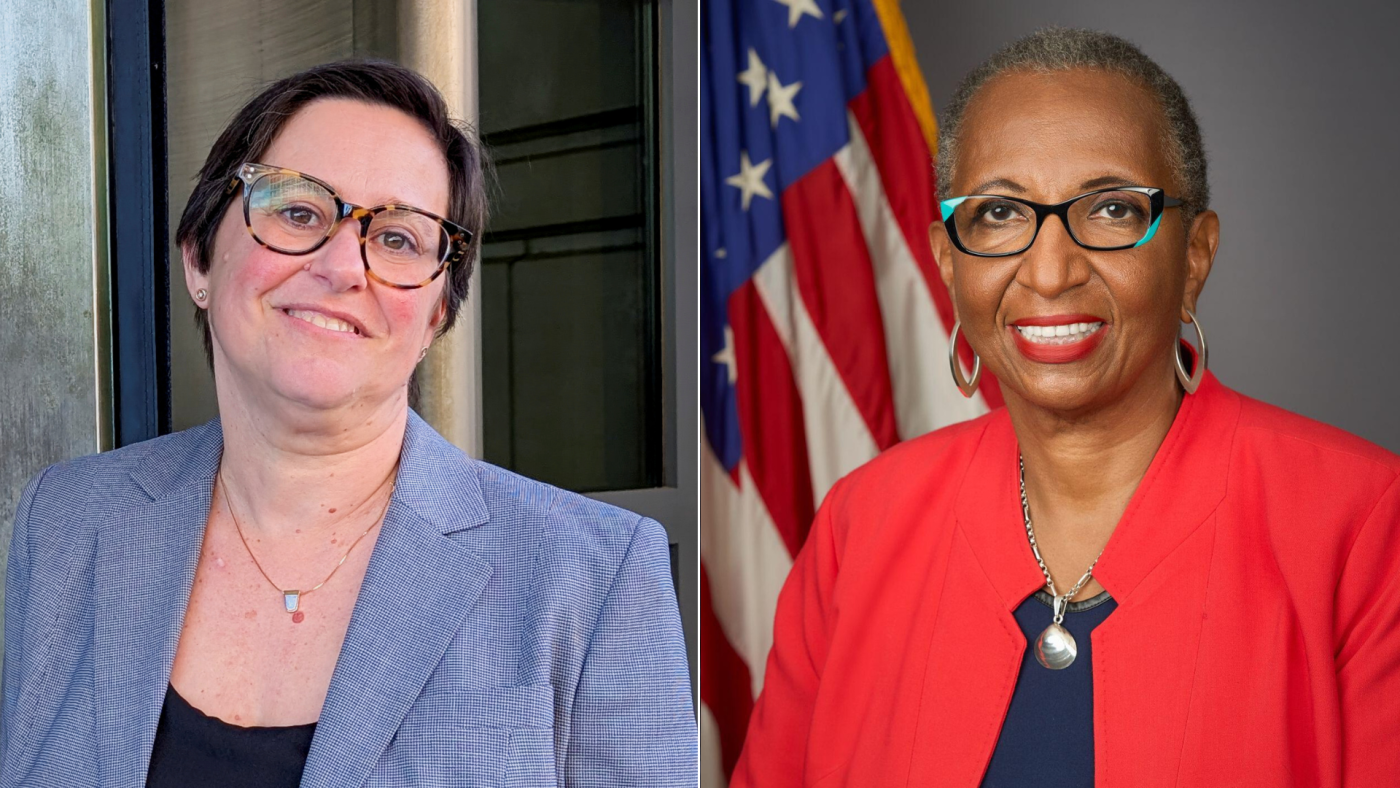
Contest of Presidential Authority: Officials Dispute Dismissal
Cathy Harris, a former member of the Merit Systems Protection Board, and Gwynne Wilcox of the National Labor Relations Board, both dismissed by President Trump earlier this year, are challenging their removal in court.
Judges in Washington, D.C. are set to deliberate a crucial issue: Does the president have the constitutional power to dismiss members of autonomous agencies established by Congress as independent of presidential influence?
The specific challenge here is whether President Trump's actions in dismissing Wilcox and Harris without just cause were an overreach of his authority.
Lower courts have already determined that he indeed overstepped, citing a precedent that restricts the president's powers in dismissing these officials without legitimate reason.
Trump Administration's Appeal
The administration contested these lower court findings, arguing that the interpretation of the 1935 decision by the judges was flawed and that their ruling to temporarily restore Wilcox and Harris exceeded their judicial mandates.
The Supreme Court intervened in April, allowing for their removal again until a full examination of the issue could proceed in the courts.
Implications for Agency Independence
Beyond the individual cases of Wilcox and Harris, this legal battle affects numerous other officials similarly removed by Trump, including those from the Federal Trade Commission.
These independent entities are designed by Congress to be free from political manipulation, with board members appointed by the president and confirmed by the Senate, maintaining a bipartisan structure through staggered terms.
Constitutional Interpretations Clash
The Trump administration argues these legislative restrictions are unconstitutional, a stance Congress has largely left unopposed. Trump's correspondence with Wilcox cited Article II, affirming that all executive power is centralized under one president, responsible to the citizenry.
Wilcox and Harris counter that such a ruling could threaten the independence of boards like the Federal Reserve, a concern partially dismissed by the administration, who depict the Federal Reserve as uniquely insulated from direct presidential oversight.
Responding to these assertions, Harris' legal team claimed there is no logical foundation for exempting the Federal Reserve, differentiating it from the implications on other boards.
Diverging Views on Executive Authority
The attorneys for Wilcox and Harris caution that disrupting current norms could lead to significant instability, although the Trump team insists there is no attempt to dismantle established legal doctrine.
They argue that their respective agency roles hold significant executive sway, a point the Supreme Court had not assessed some ninety years past.
The Trump law team asserts that agency leaders should embody the president's vision and priorities, essential for executing the will of the American populace.
However, attorneys for Wilcox argue back, noting that the powers of the National Labor Relations Board, such as settling labor disputes and crafting labor laws, aren't as expansive as suggested, highlighting that enforcement requires judicial endorsement.
Harris' lawyers assert the misapplication of law, arguing that the constraints on the Merit Systems Protection Board's operations, which involve worker complaints handling, are being misrepresented.
Leave a Reply