


Positive Feedback from China on Trade Talks, Next Steps Uncertain
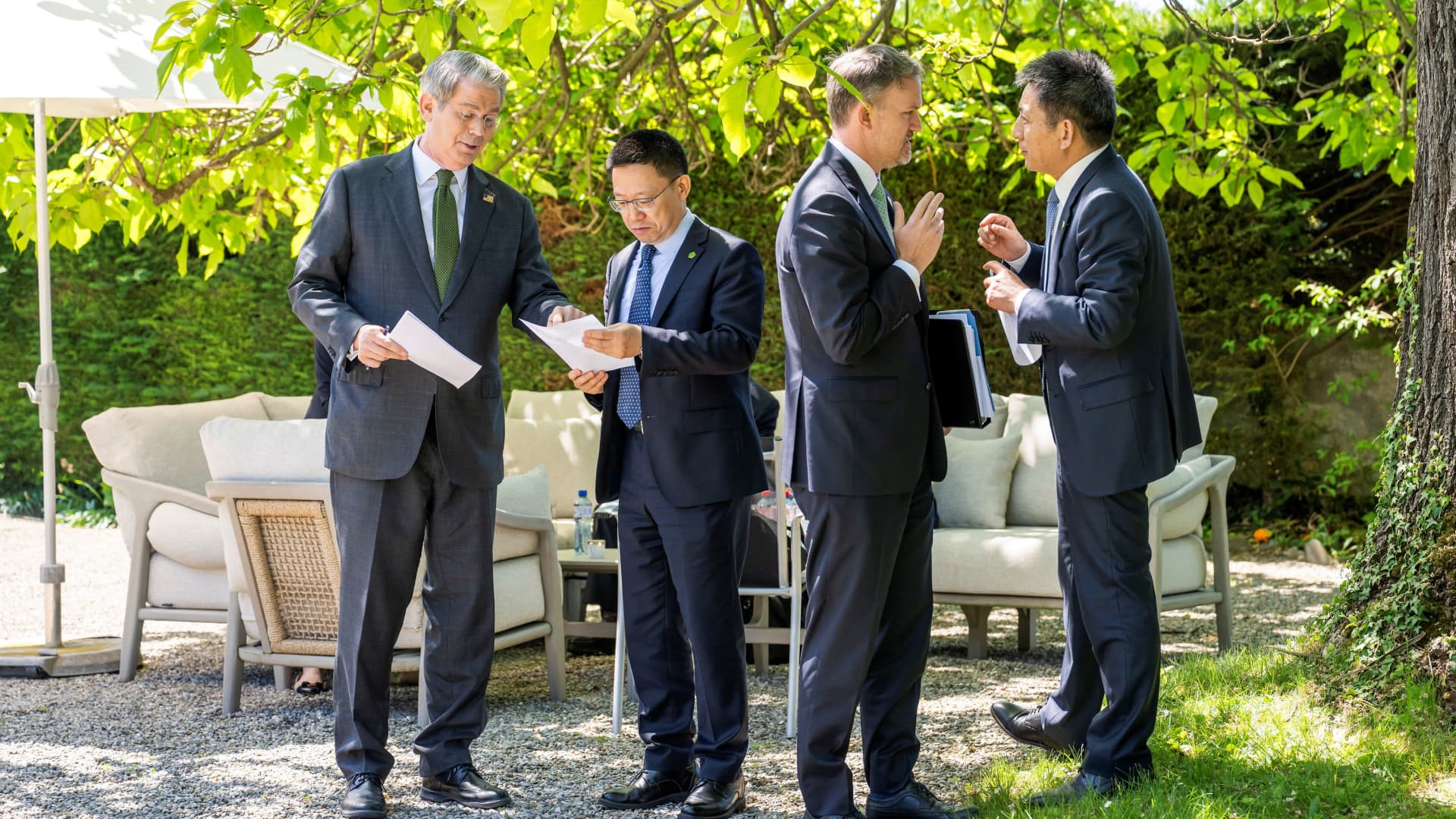
Following key discussions in Switzerland on May 12, Chinese emissary Li Chenggang expressed satisfaction with the trade talks with the U.S., labeling them as 'positive.'
When queried about the sessions’ productivity, Li, who convened with the U.S.'s Jamieson Greer during a conference in Jeju, confirmed the talks were indeed constructive but refrained from divulging further details or upcoming schedules.
Li mentioned the lack of information about any scheduled conversation between President Donald Trump and China’s leader Xi Jinping.
Awaiting Presidential Interaction
Though Trump suggested earlier this week he might engage with Xi, Beijing remains notably silent, causing analysts to surmise that a direct dialogue could signal more concrete progression in negotiations.
Celebrated in Beijing, the initial negotiations in Geneva were seen as a counter to Trump's imposed tariffs.
The two countries provisionally agreed to reduce tariffs to facilitate further discussions, entailing a 'communication mechanism' on trade and economic matters.
Continued Exchanges of Criticism
Despite temporary tariff relaxations, criticism persists. The U.S. Commerce Department advised against using Huawei’s Ascent AI chips, attracting disapproving remarks from China.
China's foreign ministry on Friday issued a stern response, dismissing the U.S.’s extraterritorial jurisdiction practices.
Strategic Elements Play into Negotiations
China continues to monitor pivotal resources. Beijing views its rare earth minerals as significant leverage in ongoing trade discussions with the U.S.
China commenced restricting the export of certain rare earth elements in response to Trump’s tariff escalations.
While some companies secured export permits, including suppliers to Volkswagen, the trade ministry provided no comments on the regulations at a recent briefing.
Understanding the Rare Earth Dynamics
Experts warn that China may be overestimating rare earth minerals' impact on the U.S. economy. With viable alternatives like Canada, the U.S. could counterbalance.
Separately, former U.S. ambassador Nicholas Burns cautioned potential repercussions for China should cooperation falter.
High Stakes for Future Negotiations
Neo Wang from Evercore ISI warned that China stands to lose more if tariffs return, potentially diverting Beijing's strategy to bolster U.S. exports and investments for political gain.
If broader trade resolutions seem unreachable, Beijing might focus on addressing fentanyl-related tariffs and TikTok, issues linked to Trump's objectives.
Leave a Reply