


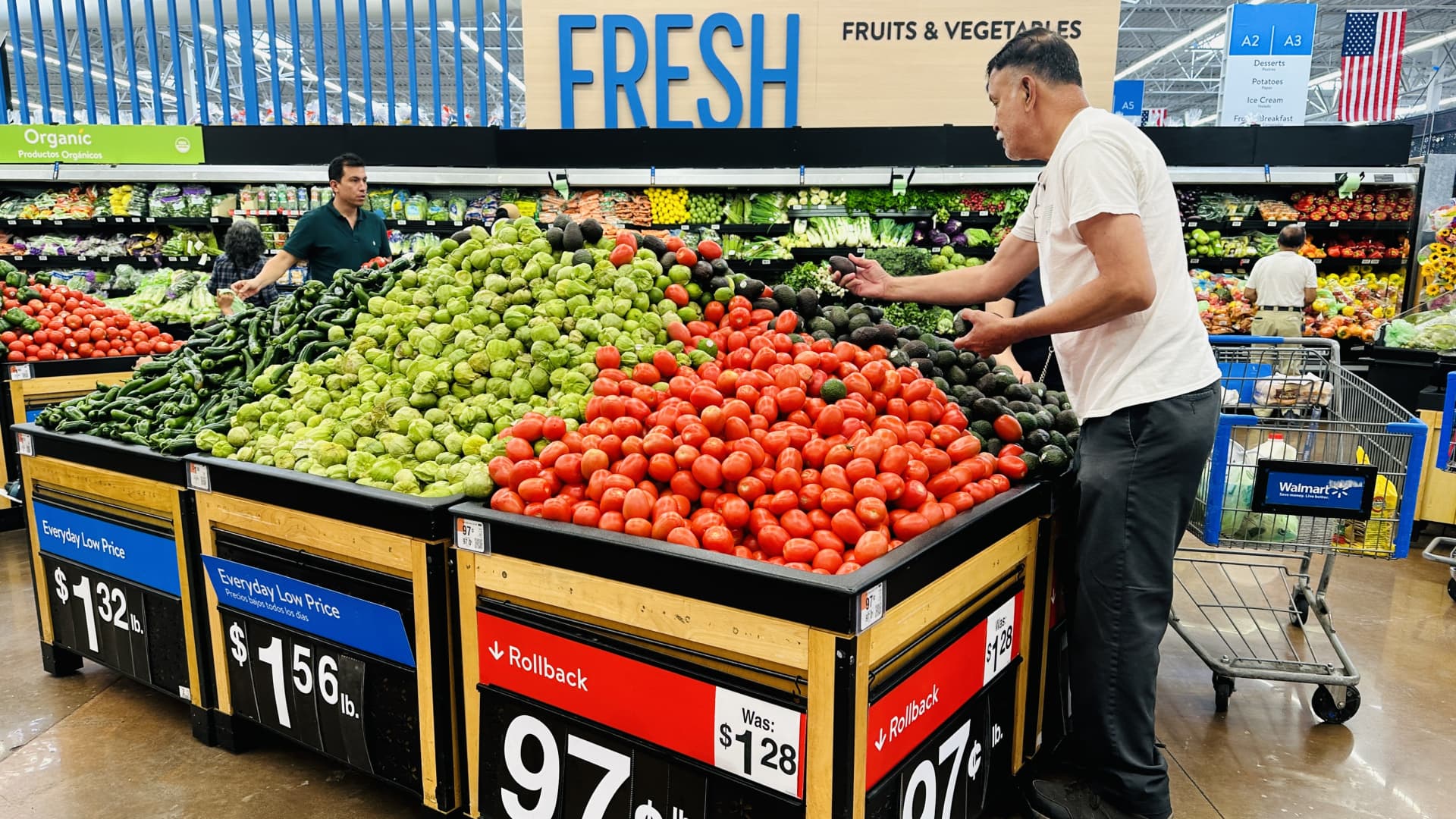
Walmart Plans Price Increases as a Result of New Tariffs
Customers may soon notice a rise in Walmart's prices.
In a statement on Thursday, Walmart's CFO, John David Rainey, alerted investors that the company, known for offering budget-friendly options, will have to increase the cost of several items due to recent tariffs. Although tariffs on Chinese imports have been reduced to 30%, products from various other countries will incur a 10% tariff.
Rainey explained during an interview with CNBC that the company is working hard to adjust to these changes. "This kind of swift and extensive price increase is something we haven’t navigated before," he noted.
Walmart remains determined to offer prices that are at least as low as those of its rivals and plans to absorb some tariff costs. However, the company expects noticeable price hikes by late May, with even more in June. Rainey projected more frequent markups throughout the second fiscal quarter, which started earlier this month.
As America's leading retailer and grocer, Walmart provided valuable insight into potential price increases that consumers might face at various outlets nationwide. The company revealed which departments and items might undergo the most significant impact due to the new tariffs.
A significant portion of Walmart's U.S. merchandise is produced domestically, but the company also depends on imports from many countries, such as China, Mexico, Vietnam, India, and Canada, stated CEO Doug McMillon during an earnings call.
McMillon pointed out that tariffs affecting nations like Costa Rica, Peru, and Colombia have increased the cost of imported goods, specifically items like bananas and roses. Additionally, a substantial amount of merchandise, particularly in categories like electronics, originates from China.
Walmart has informed on how retailers and consumer brands are adapting to volatile tariff changes. Recently, there was some relief as President Donald Trump indicated a temporary agreement with China, but retailers have had to make early purchases of some significant items to anticipate price escalations.
Retailers and consumers have been trying to anticipate the timing of these price increases, prompting early acquisitions and strategic inventory management aimed at the upcoming school year and holiday season.
To lessen tariff impacts, such as price surges, Walmart has strategically shifted supply sources, opting for alternatives like fiberglass over tariff-heavy materials like aluminum. Some suppliers have pursued creative merchandising options as well.
Rainey mentioned to CNBC that Walmart has reduced order quantities for goods anticipated to face significant price climbs due to tariffs, aiming to match them with a likely decrease in consumer purchases.
Interestingly, despite these challenges, Walmart anticipates robust sales for the year, with tariffs potentially increasing foot traffic to its physical and online stores. On Thursday, despite narrowly missing revenue projections, the company expressed optimism.
In another CNBC discussion, Rainey highlighted that higher prices might drive consumers to value-focused retailers like Walmart, potentially enhancing market share. He reiterated the company's intent from an April investor meeting to maintain competitive pricing, even at the cost of profit margins.
Rainey concluded, "There are areas where we might choose to be proactive, absorbing short-term impacts to secure long-term advantages."
Leave a Reply