


Innovative Genetic Therapy Crafted for Infant with Rare Disorder
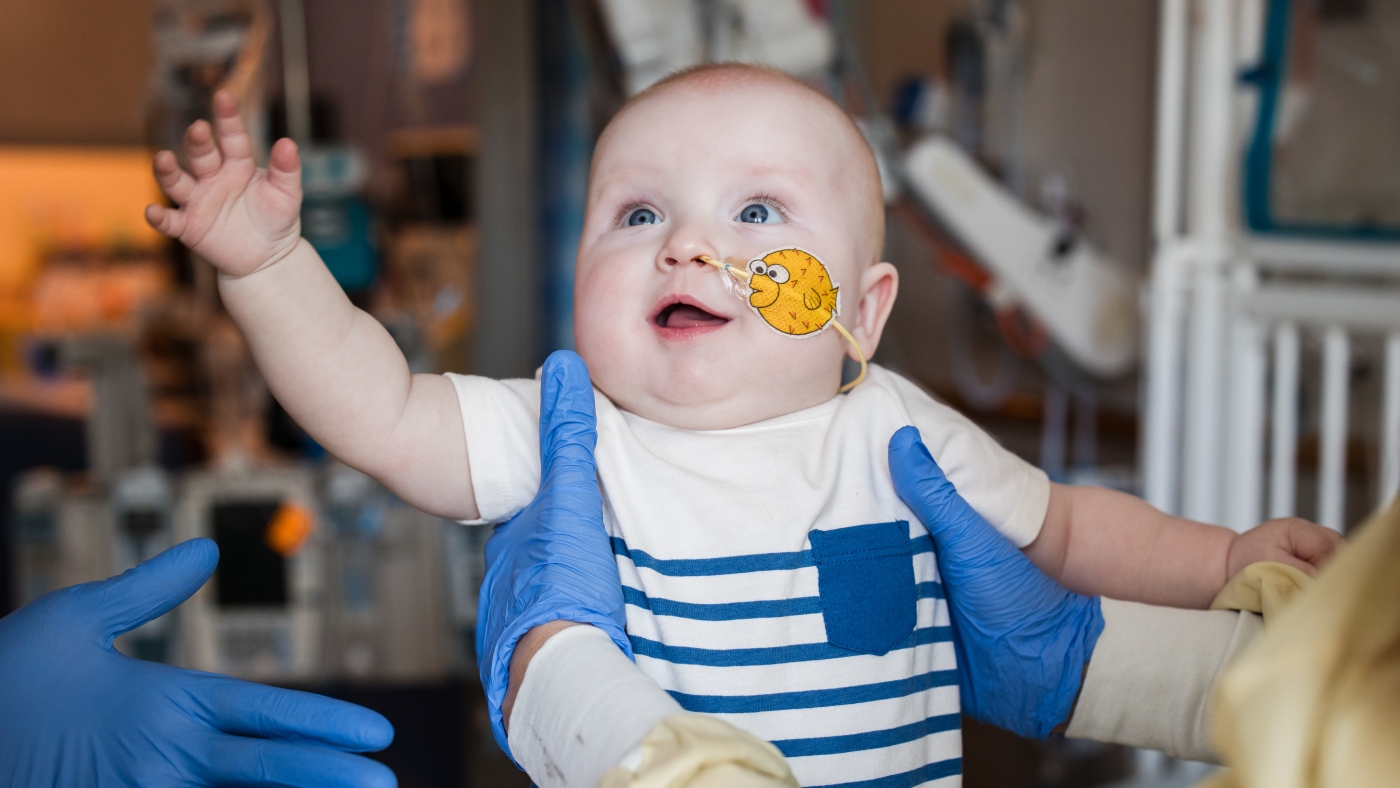
In August, at Children's Hospital of Philadelphia, KJ Muldoon reached out to doctors after undergoing an advanced CRISPR gene-editing treatment for a rare genetic condition.
For the inaugural time, a newborn diagnosed with a life-threatening and rare genetic condition has received personalized gene-editing therapy to correct his genetic anomaly.
The infant received several doses of gene-editing agents targeted at a specific mutation located in his liver, showing promising results in correcting it. While longer observations are necessary to conclusively determine the treatment's success, early indicators suggest a significant reduction in his risk of brain injury or mortality.
"This is truly groundbreaking," said a pediatric and genetic expert from the Children's Hospital of Philadelphia and the University of Pennsylvania involved in the case. "This child is a trailblazer in the medical world."
The case was presented at the American Society of Gene & Cell Therapy meeting, showcasing how this opens up new avenues for transformational treatments for patients lacking alternatives.
The parents of KJ Muldoon, born in August at CHOP, express deep gratitude as they witness their son reach crucial developmental achievements.
"Witnessing him meet essential milestones for infants is astounding," explains Nicole Muldoon, residing in Clifton Heights, Pa., with her family.
The advent of gene-editing treatments such as CRISPR is revolutionizing the approach to genetic blood disorders and ongoing research continues for other serious conditions.
Despite the rarity of some disorders, which leads pharmaceutical companies to deprioritize them economically, each year sees millions of births with such genetic anomalies that could potentially be addressed through gene editing.
In response to this, scientists are working on templates accommodating similar rare conditions, potentially allowing a single gene-editing solution to be adapted across multiple cases, thus streamlining regulatory processes.
"This marks the beginning of a new era in personalized medical treatment," says a professor of translational research, emphasizing the transformative potential for rare disease management.
Though questions arise with initial tests of experimental treatments, especially involving pediatric patients, reviews confirmed that ethical standards were upheld in KJ's case.
Former FDA experts have praised the approach as potentially revolutionary, acknowledging that while not all rare diseases are amenable to current gene-editing technologies, many could benefit greatly from similar methods.
KJ's genetic treatment represents a victory after previous extended efforts to develop similar therapies for other children with rare conditions initially failed.
Initially appearing healthy, KJ momentarily set off alarms shortly after birth when doctors realized he was severely ill due to an inherited enzyme deficiency leading to dangerous ammonia accumulation in his body.
For KJ and others like him, typical interventions can fall short, and although liver transplants are possible, they come with significant limitations and risks.
Ultimately, gene-editing therapy was executed using a 'base-editing' method specifically aligned with KJ's genetic profile, expedited by extensive preparatory steps leading up to the emergency solution shortly after birth.
Following the FDA's regulatory flexibility due to the urgent nature of the case, his parents faced stark treatment decisions.
Choosing to pioneer on uncharted paths of medical treatment, KJ's parents, alongside the medical team, navigated the complexities of a never-before-attempted therapy for an infant.
During the procedure, gene-editing tools specifically targeted and corrected a key mutation in KJ’s DNA, offering a cautiously optimistic glimpse into his prospective health improvements.
Future of Gene-Editing in Rare Disease Treatment
"This could be a pivotal point in medical innovation," comments a prominent genomics director, noting the significance of transitioning to more tailored genetic solutions.
The promising results hint not only at a new future speed and efficacy in producing gene-editing medications but also potentially more cost-effective avenues of treatment.
KJ’s observable improvements in protein consumption and weight gain further raise hopes about CRISPR's evolving role in curing genetic conditions on demand.
Even as progress is celebrated, the need for cautious optimism, sustained research, and ongoing observation of early recipients remains paramount.
Leave a Reply