


China Eases Export Controls for Some U.S. Companies, Rare Earth Restrictions Persist
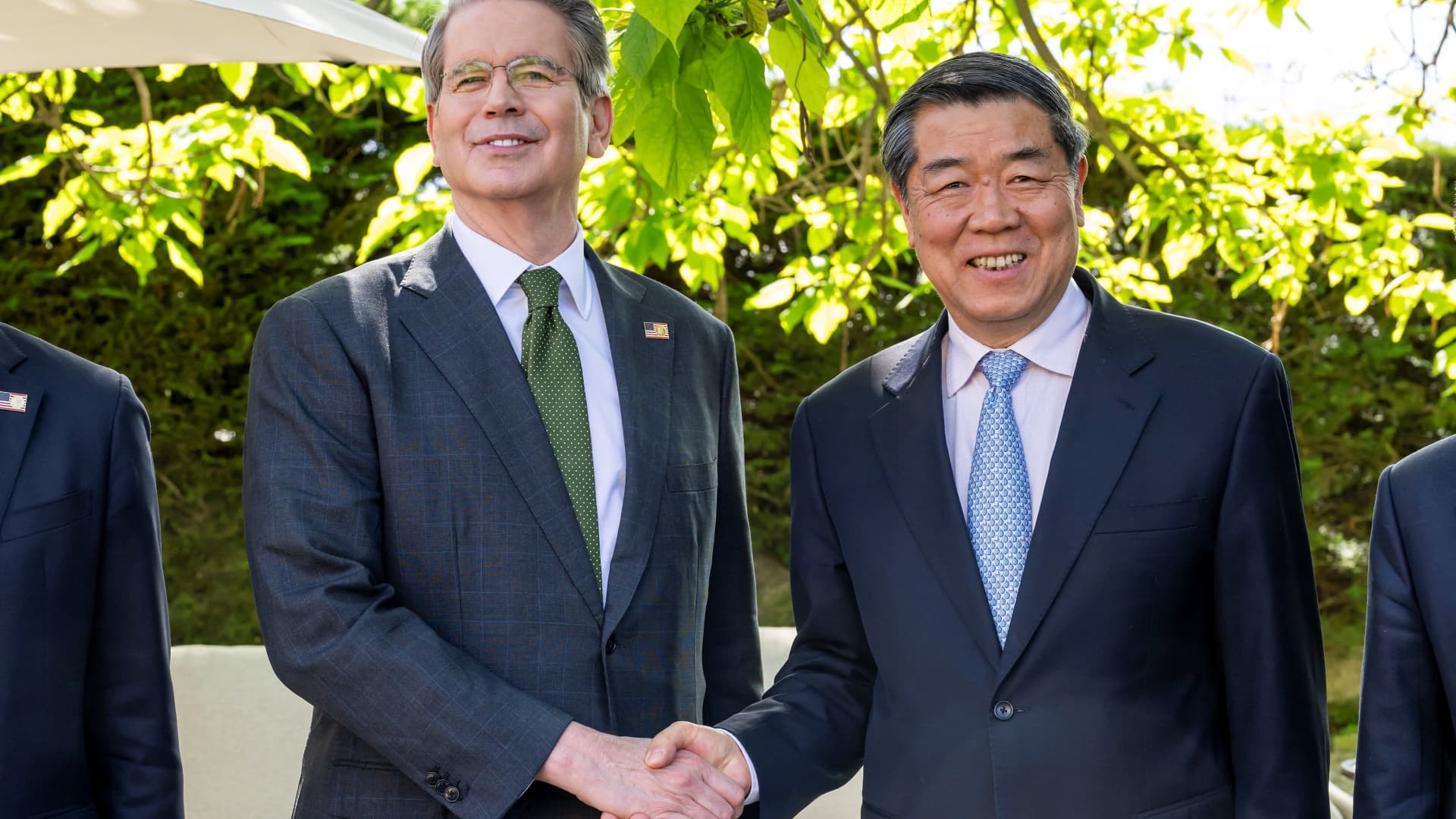
Following a significant trade accord between the United States and China, Beijing has decided to temporarily lift export constraints on 28 American corporations. This development comes shortly after a meeting in Switzerland where both nations aimed to alleviate trade tensions.
Despite this move, China continues to uphold restrictions on essential materials such as rare earth metals. These materials, vital for various sectors in the U.S., including defense and automotive, remain under stringent controls.
The trade agreement articulated in Geneva noted China's commitment to undertake all required administrative actions to rescind or pause the non-tariff barriers implemented against the U.S. since April 2025. Nevertheless, rare earth exports remain an unaltered exception.
China's initial strategy to impose these restrictions was in retaliation for what it termed 'Liberation Day' tariffs initiated by President Trump. By April, a range of rare earth elements including samarium, gadolinium, terbium, and others critical to U.S. industries were restricted.
The exact reason behind maintaining these limits remains unclear, especially when other trade measures have seen some relaxation.
Simultaneously, China announced a temporary delisting of 28 U.S. companies from its control list for dual-use goods, effective for 90 days. Additionally, 17 companies were removed from the 'unreliable entity list' for a similar duration.
In tandem, China’s Commerce Ministry highlighted efforts to counter rare earth smuggling and stressed the strategic importance of these minerals, asserting the need for comprehensive state oversight.
A substantial portion of rare earth materials imported by the United States is sourced from China, granting Beijing leverage in trade negotiations.
A recent commentary from a state-backed broadcaster implied potential impacts on U.S. defense capabilities due to the restricted supply of these crucial elements.
Additional Context on U.S.-China Trade Relations
The reprieve given to the 28 U.S. companies, often on the receiving end of Beijing's sanctions owing to their defense-related activities, signals a temporary easing of tensions.
Initially, 16 of these companies were placed on the export control list in April, shortly after heightened tariffs were imposed by the Trump administration.
Furthermore, 12 more companies faced similar listing on April 9 when the U.S. offered a temporary suspension of tariffs, exclusive of China. Notable firms affected include those in aerial systems technology.
For exporting dual-use items, entities must secure approval from China’s Commerce Ministry, reflecting ongoing regulatory scrutiny.
Companies blacklisted as 'unreliable entities' cannot engage in trading or investment activities within China.
The recent removal included well-known drone manufacturers, illustrating China's selective targeting of high-tech industries amid the broader trade standoff.
Leave a Reply