


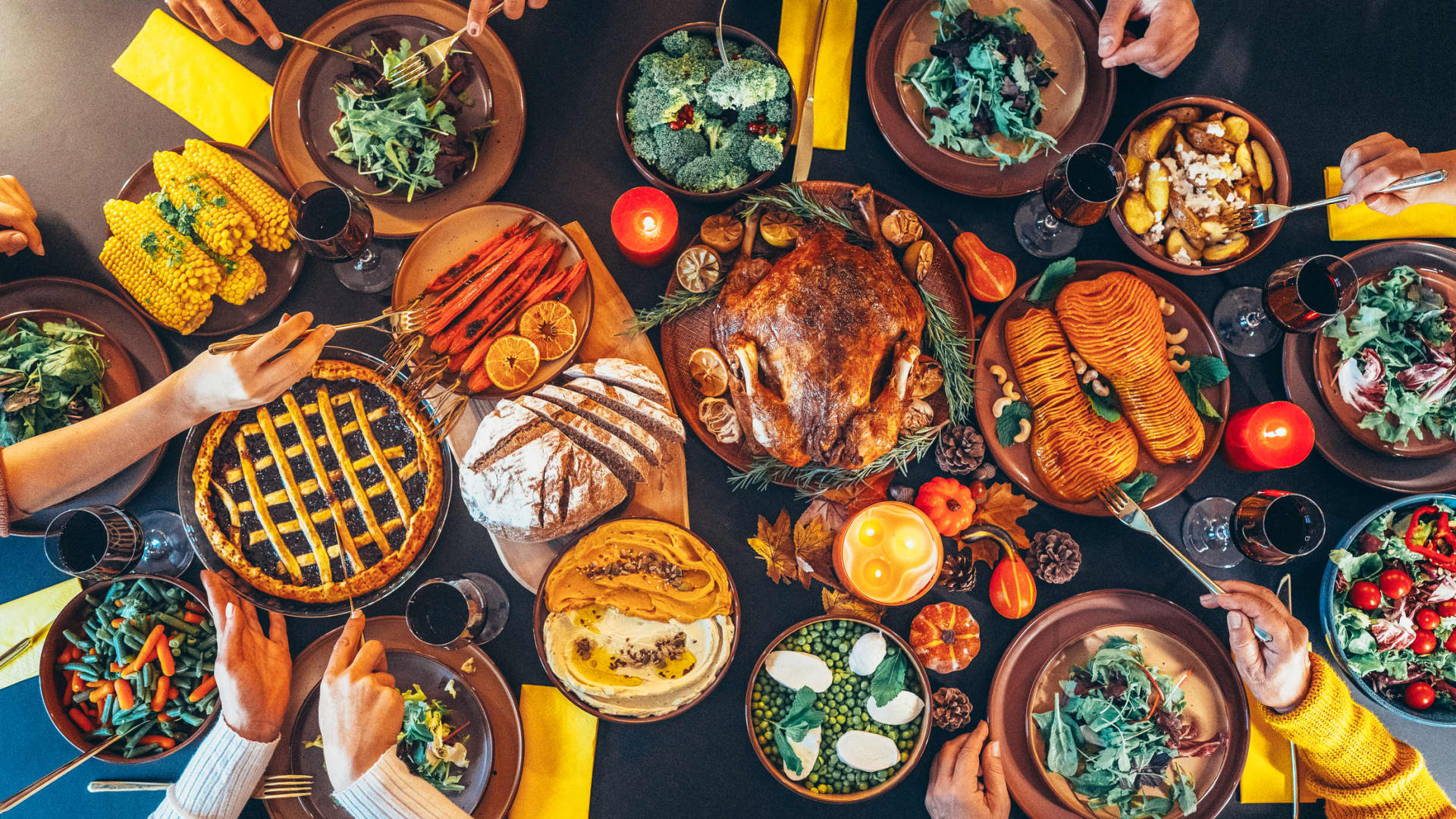
Thanksgiving Meals Set to Be More Affordable in 2024 Due to Lower Turkey Costs
Thanksgiving is a cherished occasion for coming together with family and friends, expressing gratitude, and indulging in a feast.
For Thanksgiving in 2024, Americans can anticipate some financial respite with the holiday's culinary costs, thanks to a reduction in prices after several years of highs.
The American Farm Bureau Federation reports that a traditional Thanksgiving meal for ten people is projected to cost less overall—seeing a decline of 5% from 2023 and a 9% drop compared to 2022.
The price analysis includes staples such as turkey, stuffing cubes, sweet potatoes, dinner rolls, frozen peas, fresh cranberries, celery, carrots, and necessary pie ingredients like pumpkin mix and crust, along with dairy products like whipping cream and milk.
Last year's food basket reached an unprecedented high of $64.05, as per the Farm Bureau's data.
For those adding extras like ham, russet potatoes, and frozen green beans, the average expenditure will be $77.34 in 2024, which reflects an 8% reduction from the preceding year.
This price reduction is anticipated to be comforting for nearly 44% of Thanksgiving hosts who expressed concerns about the event's expenses according to Deloitte.
Economists attribute the price cuts largely to shifts in supply and demand that have particularly affected turkey prices and a general slowdown in U.S. food price inflation.
Robin Wenzel from the Wells Fargo Agri-Food Institute notes, "Food inflation has been quite moderate, offering some relief for consumers."
Nevertheless, Thanksgiving meals are still 19% costlier than in 2019, reveals the Farm Bureau.
Turkey: The Unusual Element
Bernt Nelson, a Farm Bureau economist, mentions that the most notable change influencing overall Thanksgiving costs this year stems from turkey prices, which constitute 44% of the meal's total cost.
A 16-pound turkey is 6% cheaper compared to 2023, with the overall turkey market seeing a 4% price decrease in the past year.
According to Nelson, turkey is particularly intriguing this year.
Production has declined markedly, with farmers producing around 205 million turkeys in 2024, representing a 6% drop, marking the smallest output since 1985.
The spread of avian influenza, a deadly and contagious bird disease, has largely impacted supply.
Normally, reduced supply pushes prices upward, yet a dip in consumer demand has counterbalanced this effect. In fact, turkey consumption per individual has gone down by roughly a pound this year.
These factors together have led to decreased turkey prices.
Effects of Weather and Labor
Among other price drops, whole milk saw a 14% decrease, beneficial for recipes needing dairy, as Nelson highlighted.
Better weather conditions have enhanced dairy cattle health and feed crop yields, boosting milk production.
Conversely, processed items, like dinner rolls and stuffing, have become over 8% more expensive due to inflation factors not related to food itself, such as rising labor expenses.
The pandemic era had many drivers of rapidly rising grocery costs.
In 2022, for instance, food prices climbed faster than any year since 1979. This was partly due to a bird flu outbreak affecting egg and chicken prices, and geopolitical events like Russia's actions in Ukraine further inflating the economy by raising energy prices.
Higher fuel prices ripple through the supply chain, impacting the cost of distributing groceries.
With eased wholesale food prices and reduced inflationary pressures from 2022, food price growth weakened significantly in 2023, as per USDA observations.
Ways to Stretch Thanksgiving Budgets
Shoppers keen on economizing in 2024 can save by alternating between store-brand and name-brand products, as recommended by Wenzel of Wells Fargo.
Opting entirely for store-brand items to serve a group of ten can save approximately $17, based on a Wells Fargo estimate.
This year, buying name-brand isn't always more costly.
For example, name-brand cranberries are generally cheaper than store brands.
Wenzel suggests, "Doing a bit of research can go a long way in grocery shopping this year."
Leave a Reply