


The Genetic Marvels of Jeju Island's Female Divers
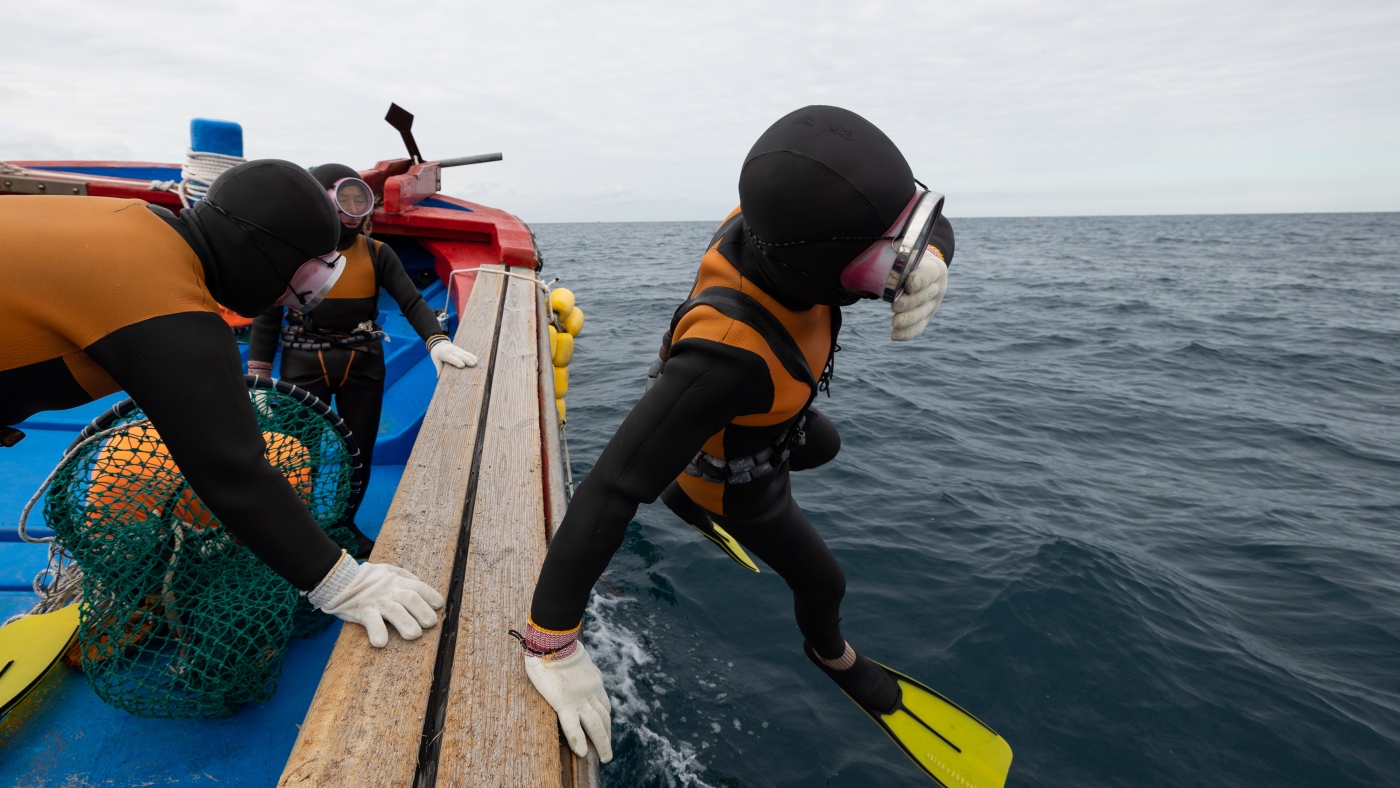
On January 15, 2022, off the shores of Jeju Island, an elderly woman wearing a wetsuit and equipped with diving gear leapt into the sea. This scene marked another day in the life of the Haenyeo, a group of female divers celebrated for their unique genetic traits that aid them in enduring cold waters.
A few years ago, Isla Ilardo, an evolutionary geneticist from the University of Utah, found herself accompanying these women on a boat as it sailed around Jeju, situated roughly 50 miles from Korea's mainland. Before the craft halted, several older women had already plunged into the sea, showcasing a tradition upheld for generations.
The Remarkable Heritage of Haenyeo
Inheriting a rich legacy, the Haenyeo dive to collect marine goods like abalone and sea urchins. These waters, often near freezing at merely 50°F, pose a significant challenge, yet these women have adapted remarkably. Ilardo recalls one snowy visit where the divers proceeded unbothered unless conditions threatened their safety.
Traditionally, Haenyeo begin diving young and continue into their twilight years, even through major life events. Some even venture into the ocean during pregnancy, returning shortly after childbirth.
Unveiling the Science Behind Their Abilities
Motivated by curiosity, Ilardo probed into the genetic foundations that enable the Haenyeo's extraordinary resilience. The study revealed physiological and genetic traits that might have been honed over time, affecting the broader Jeju populace too.
Insights from an Unconventional Study
Ilardo's team conducted a comparison with non-diving elderly women of Jeju and unrelated others from different areas. Simulated dives were necessary, where participants submerged their faces in cold water, triggering heart rate changes akin to actual diving.
Though the Haenyeo found these tests amusing, their heart rates dropped significantly more than those of the non-divers, indicating a physiological adaptation derived from their diving experience.
Genetic Discoveries and Their Implications
By examining saliva samples, researchers pinpointed genetic markers distinct to the Haenyeo. These involved two significant genes: one potentially enhancing cold resistance and another influencing blood pressure, crucial for diving.
This blood pressure gene might offer insight into why Jeju Island records low stroke mortality rates. It could even pave the way for developing therapeutic interventions for broader applications.
The physiological exploration conducted by Ilardo's team offers a deeper understanding of human limits and capabilities, urging a wider appreciation of the Haenyeo's unique biology and culture.
Preserving a Unique Cultural Heritage
Ilardo and her team revisited Jeju to share their findings with the Haenyeo, celebrating the enduring legacy these women have crafted. Their way of life, while diminishing, has undeniably contributed to shaping the identities and genetics of Jeju's inhabitants.
Recognizing the exceptional nature of the Haenyeo and their remarkable adaption underscores the importance of preserving such traditions, which embody both cultural and scientific treasures.
Leave a Reply