


Telehealth Startups Shift to Older Medication Following Off-Brand Ozempic Ban
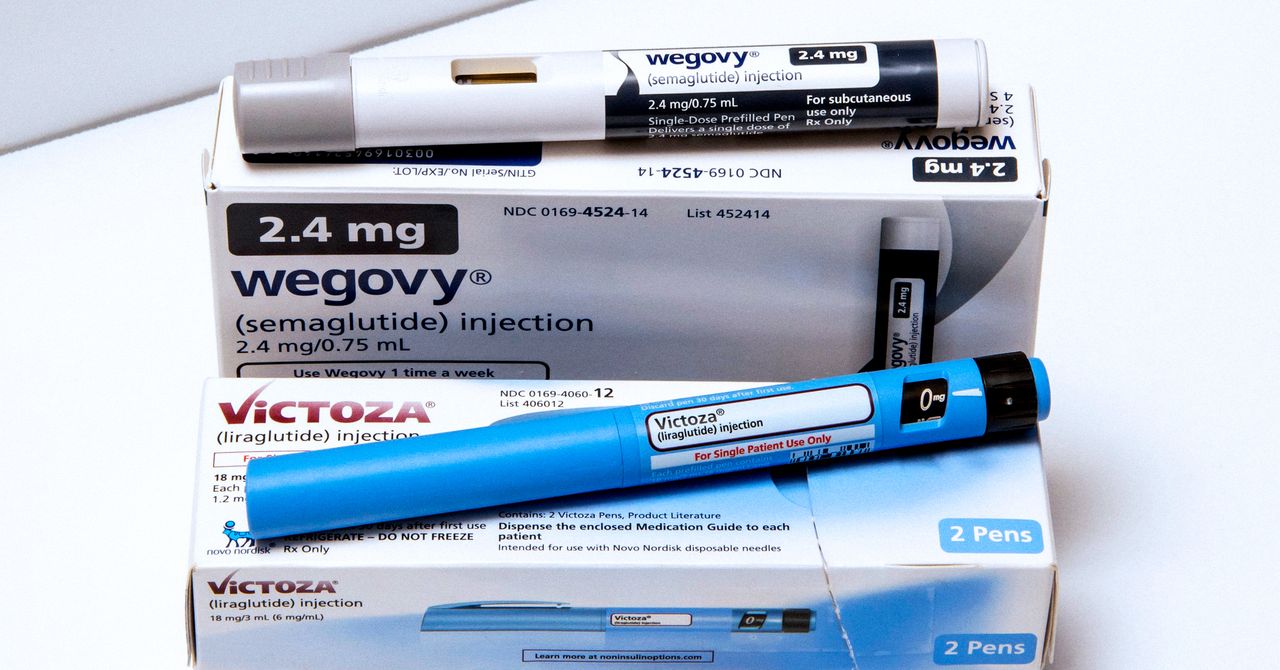
In the wake of restrictions on selling generic versions of certain GLP-1 weight management drugs, some companies have pivoted to an older option that has been around in the U.S. market since 2010. This drug, known as liraglutide, is gaining attention among businesses dispensing prescriptions for weight loss and diabetes management, even though it’s less effective than newer medications like Ozempic and Zepbound.
Background on Liraglutide
Originally introduced under the trade names Victroza and Saxenda by Novo Nordisk, liraglutide became available as a generic in the U.S. last year. While it operates similarly to Ozempic by mimicking a natural hormone that suppresses appetite and controls blood sugar, liraglutide lacks the effectiveness and convenience of its successors, often resulting in more severe side effects and requiring daily injections instead of weekly ones.
Regulatory Changes and Market Adaptations
This year, the FDA ruled that patented medications like Zepound and Ozempic are no longer considered in short supply, ending the legal allowance for clinics to distribute unauthorized generic or compounded alternatives. Consequently, many telehealth companies are switching their focus to liraglutide. For instance, the telehealth giant Hims recently added generic liraglutide to its listings, a move mirrored by several competitors.
Prominent compounding pharmacies, including Olympia Pharmaceuticals in Florida, are ramping up production of this drug, predicting heightened demand. According to CFO Joshua Fritzler, the company has already secured significant contracts for liraglutide, with plans to boost output in the upcoming months.
Impacts of FDA Decisions
GLP-1 drugs such as Ozempic and Zepbound have revolutionized treatment for obesity and type 2 diabetes, and research suggests potential benefits for other conditions, from addiction to neurological disorders. When demand surged, shortages led to legal permissions for prescribing cost-effective compounded forms of these drugs. However, this provisional period is ending, with manufacturers needing to cease production by specified deadlines.
Some telehealth providers continue offering modified versions of the compounds, claiming they do not exactly replicate the original drugs due to custom formulations. However, legal challenges have arisen from companies like Eli Lilly, objecting to these versions as unauthorized.
Liraglutide: A Practical Alternative?
Given the constraints, liraglutide becomes a feasible substitute for companies unable to provide off-brand GLP-1 medications, with some clinics marketing it as a suitable alternative. For instance, Ageless RX frames it as an easy switch for patients moving from another GLP-1 drug.
Medical experts urge potential users to weigh their options, recognizing that while liraglutide may benefit many, other newer GLP-1 medications tend to deliver better results with fewer side effects.
According to Justin Ryder, an expert in pediatric obesity, liraglutide can still be useful, but patients seeking significant weight loss could be disappointed. Its daily administration poses additional challenges for long-term use compared to weekly injected alternatives.
Angela Fitch, a specialist in obesity medicine, highlights that while liraglutide might seem more economical upfront, its daily dosage could ultimately increase costs, making newer, more potent treatments potentially more cost-effective in achieving weight management goals.
Leave a Reply