


Three Methods for Colon Cancer Prevention Beyond Diet
The incidence of colon cancer is increasing among those under 50. Dr. James Kinross, a gastrointestinal surgeon focused on the relationship between gut health and cancer risk, attributes part of the problem to poor gut health.
Minimize Antibiotic Use
Although antibiotics are crucial, Dr. Kinross warns that their overuse can be detrimental, especially when treating infections they can't cure, like viral infections.
In his family, antibiotics are reserved for situations demanding urgent medical treatment, as their misuse can harm the beneficial bacteria in our system, disturbing microbial diversity.
He compares this effect to applying excessive weed killer in a garden, leaving it barren and devoid of color.
Boost Vitamin D Intake
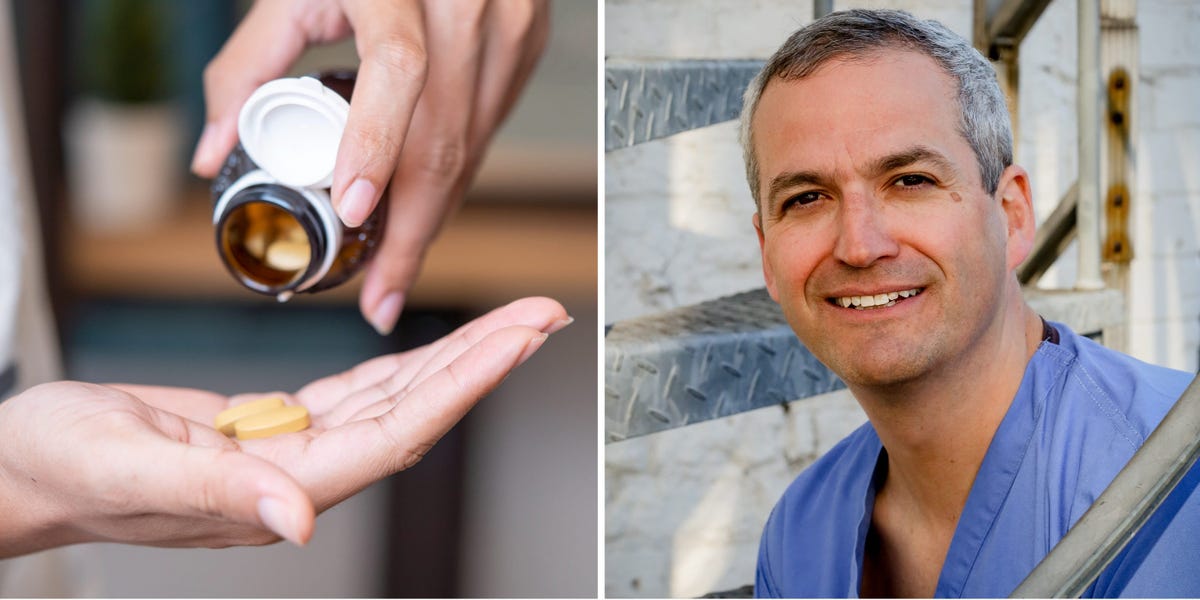
Dr. Kinross supplements his diet with vitamin D, as it plays a key role in maintaining gut health by supporting processes like calcium uptake and cell restoration.
A robust intestinal lining, bolstered by vitamin D, prevents harmful microbes from causing inflammation, which is linked to chronic diseases such as cancer.
Sources of vitamin D include oily fish, egg yolks, red meat, and sunlight. In areas with less sun, such as the UK, supplements are recommended during the colder months.
Foster Social Connections
Social interactions, such as regular get-togethers with friends and family meals, are vital for overall vitality and notably influence gut microbiome diversity.
Dr. Kinross highlights that close relations often share gut microbiome traits, which occur through direct contact and shared environments.
Research indicates that individuals within the same social group have more similar gut microbes, promoting health benefits beyond diet alone.
Leave a Reply