


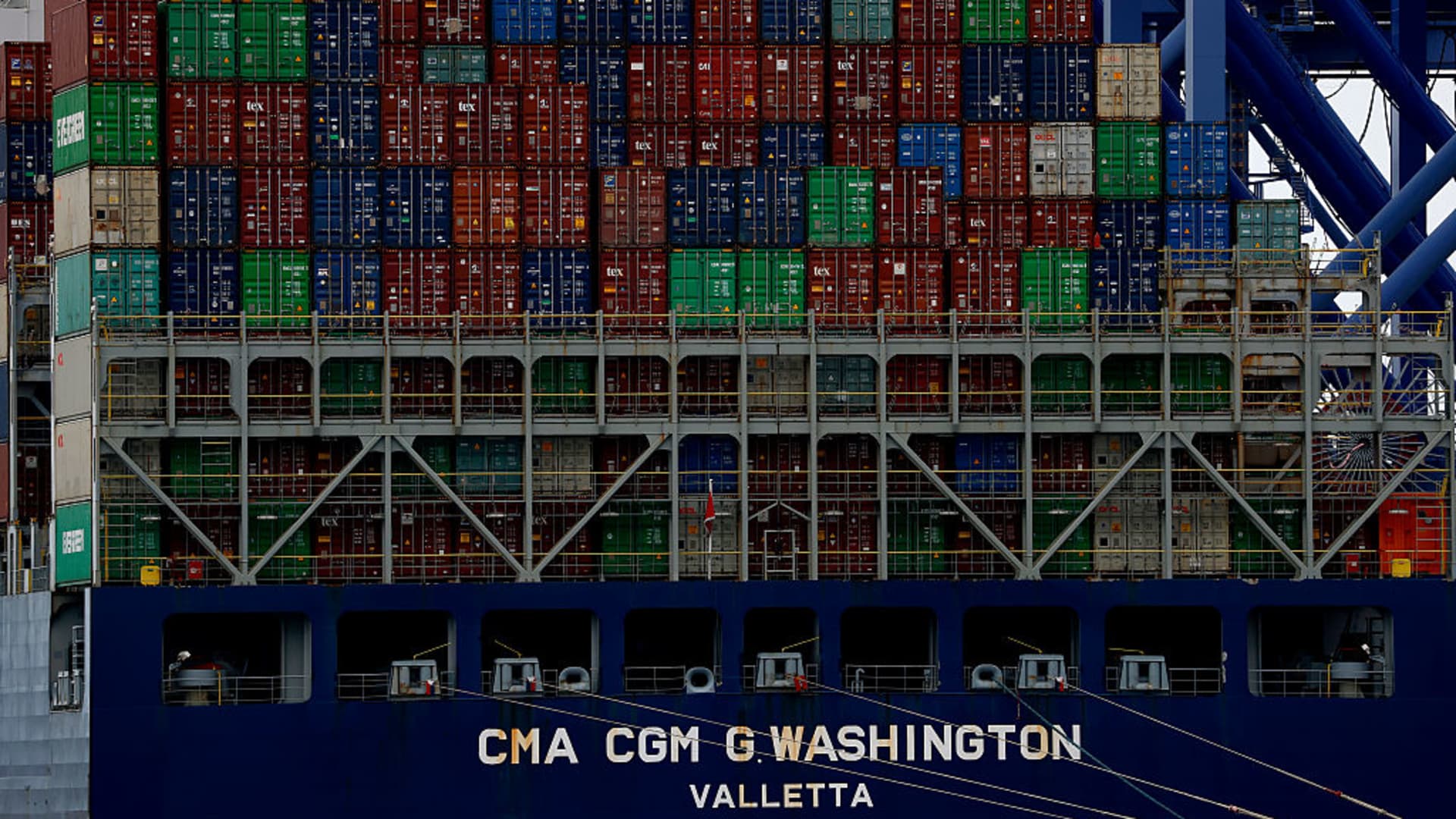
Impact of the U.S.-China Trade Conflict on Global Logistics
Introduction
A new ceasefire agreement between the United States and China was reached as President Trump's tariffs began heavily impacting manufacturing in North America and Asia. The GEP Global Supply Chain Volatility Index reveals a significant decline in purchasing within these regions during April, as companies rushed to secure supplies.
Relief and Continuing Concerns
John Piatek, from GEP consulting, expressed that the halt in tariff increases is a significant relief for manufacturers in both countries. Nevertheless, he noted that U.S. manufacturers remain concerned about decreasing their dependency on China in the long run. Manufacturers are working on strategies to mitigate risk and lessen exposure to China's market amidst ongoing uncertainties.
Historical Data and Current Trends
The GEP index, which surveys 27,000 businesses monthly, monitors variables such as demand conditions, shortages, transportation costs, inventory levels, and backlogs. According to Piatek, early impacts of the tariff conflicts have been noticeable globally, providing a glimpse of potential future disruptions if temporary tariff suspensions aren't made permanent.
North American and Asian Stockpiling
Data suggested a marked increase in stockpiling by North American companies, which Piatek found alarming. Simultaneously, predictions of reduced demand and looming supply shortages began to surface. Purchasing activity in Asia reached its lowest point since December 2023.
European Dynamics and Asian Supply Growth
Despite a downturn in manufacturing, Europe shows signs of recovery from an industrial recession. The U.K. has recorded continued weakness in manufacturing, but Germany and France, which had been underutilized, are seeing growth in supply chain capacity. If global trade issues intensify, this growth may stall. Meanwhile, Asia's spare capacity, particularly in China, Taiwan, and South Korea, expanded in April.
Future of Shipping and Trade
Stephen Edwards, CEO of the Port of Virginia, highlighted potential shifts in trade patterns. As trade possibly shifts from China to regions like Southeast Asia and Europe, the Port of Virginia anticipates growth. India's subcontinent and Vietnam have led the port’s expansion, with Europe following closely.
Strategic Adjustments
China remains a major player in the port's trade network, second only to the European Union. However, Edwards sees potential for growth beyond China, influenced by emerging trade dynamics. The full impact of current and future trade agreements on these changes remains to be seen, with expectations focused on strengthening ties with Southeast Asia and Europe.
Leave a Reply