


Is the U.S. Market Still Worth It for French Champagne Producers?
French Champagne Industry Faces Uncertainty Due to U.S. Trade Policies
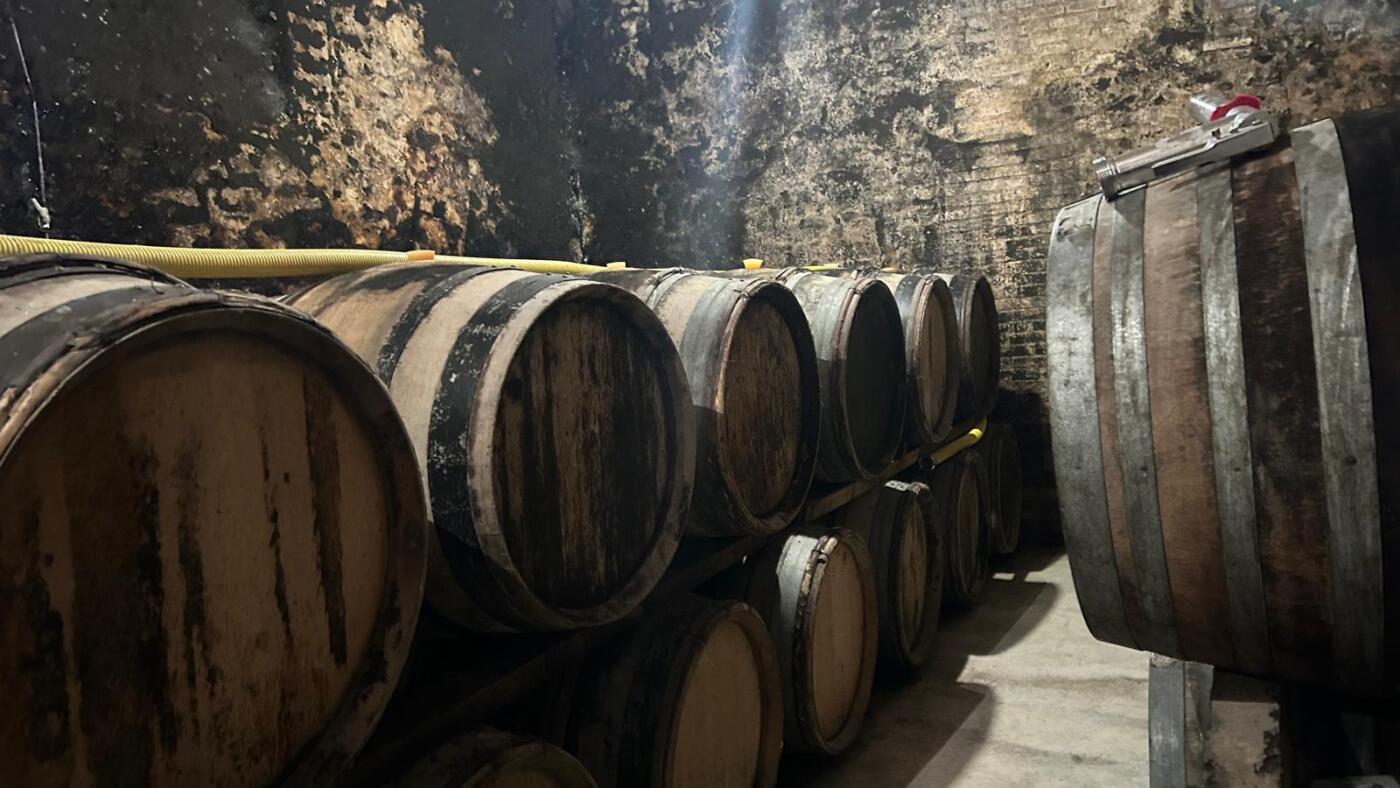
Deep beneath the surface in Vertus, France, the cool cellars of Charles Fourny's estate are filled with barrels of aging Champagne. However, the looming threat of tariffs imposed by the Trump administration has left Fourny questioning the reliability of the American marketplace.
Dependence on the American Market
While strolling through vineyards planted by his ancestors, Charles Fourny reflects on the decades-long reliance his family business has had on American consumers. With 26.9 million bottles purchased by Americans in 2024 alone, the U.S. has been their largest customer.
The previous year, the U.S. constituted a significant portion of Fourny's export business, making up 18% of his total shipments. Yet, due to evolving trade dynamics, he is now reassessing this reliance.
The unpredictability of future trade relations has caused tension and disrupted the once solid partnership between French Champagne makers and their American buyers.
Trust on Shaky Ground
To Fourny, the challenge isn't purely financial. It's the erosion of trust that feels precarious. "Our confidence in the U.S. is waning," Fourny confesses. "There's a sense that we've become adversaries, not partners."
The U.S. administration's fluctuating statements on European wine tariffs over recent months have created an environment where stability is out of reach for both producers and importers.
Despite American purchases historically driving the Champagne industry's expansion, the lack of dependability in trade terms urges producers like Fourny to consider emerging markets such as Brazil for new opportunities.
Navigating an Uncertain Future
Fourny humorously notes the volatility of proposed tariffs, which have ranged dramatically with talks of 200% taxes, then scaling back to 20%, and a subsequent temporary freeze at 10%. As this grace period draws to a close, further uncertainty looms with potential tariff increases.
"Waiting for a definite resolution is not an option," states Fourny. "We must take proactive steps to secure our business's future."
Implications for the American Wine Market
Across the ocean, U.S. wine importers share this uncertainty. Harmon Skurnik, associated with the U.S. Wine Trade Alliance, describes the tariff situation as a self-imposed problem impacting American businesses.
Skurnik raises concerns that imported wines could become scarce and expensive, leaving domestic wines unable to adequately fill the void. He highlights the unique character and terroir of French wines that cannot simply be substituted.
U.S. winemakers, particularly in California, also feel the strain. Distributors caught in this quagmire might find it challenging to maintain their operations with increased costs and uncertainty.
Mixed Reactions to Tariff Measures
In Épernay, within the heart of Champagne production, the sentiment among visiting American tourists is varied. Some view the tariffs as acceptable given Champagne’s luxury status.
Justin Fishman, from Kansas, remarks that daily life can go on without Champagne, while his friend Joseph Psyck jokes about sticking to bourbon, unaffected by the tariffs.
At his estate, Fourny reflects on the broader implications beyond just business. "These decisions unravel long-standing relationships," he notes. "Once that trust is broken, rebuilding it is not easily done."
Leave a Reply