


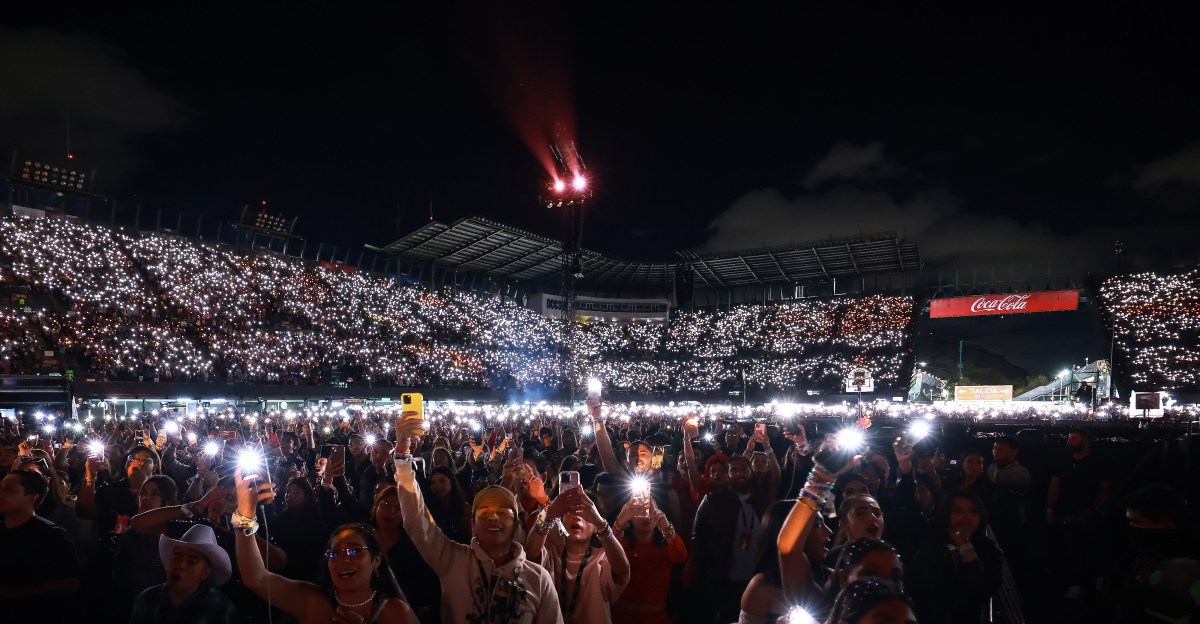
Do Massive Concerts with 80,000 Attendees Truly Bring Joy?
As society gravitates towards larger live events, the question remains whether bigger actually means better.
Attending a stadium performance by your favorite artist often carries expectations of an exalted event. For many, such an occasion parallels a sacred journey where individuals from diverse backgrounds unite in worship of musical icons. Ideally, attendees leave these gatherings with spirits lifted and perspectives altered.
However, this ideal rarely mirrors reality. Commonly, contemporary stadium shows induce stress about ticket sales, empty wallets from ticket purchases, and poor visibility and sound. Moreover, the challenge of maneuvering amongst thousands during entrance can be disheartening.
Social media has brought these issues to light. Initial reactions to Beyoncé’s Cowboy Carter Tour show fans venting their dissatisfaction online. Despite praise for the production, notable drawbacks include inferior views and disorganized VIP areas.
Vox Populi
Critiques often target Beyoncé, Ticketmaster, and Live Nation Entertainment for insufficient communication and attendance policies, with an emphasis on Ticketmaster and Live Nation. Such events frequently demand more investment and effort than the enjoyment of music might justify.
With artists like Kendrick Lamar, SZA, Post Malone, Billie Eilish, and Ed Sheeran also embarking on similar large-scale tours, a pressing debate emerges: Do fans genuinely prefer concerts amongst a crowd of 80,000?
Concerts as a Social Obligation
Generation Z, when asked about their high spending on live shows, often reference the fear of missing out. A 2024 analysis by Merge highlights that despite their known frugality, Gen Z overspends impulsively on live events, driven by peer influence and societal expectations.
Recent years have seen stadium tours turn into essential events. Data from Pollstar shows that revenue from top stadium concerts grew from $1.48 billion in 2019 to $2.68 billion in 2022. In 2023, the highest-earning tours by Beyoncé, Coldplay, Ed Sheeran, Pink, and Taylor Swift have all played in stadiums, marking a shift from traditional rock to pop dominance.
Stadium concerts now require as much planning and finance as vacations, with presales, costly tickets, and themed outfits becoming the norm, along with potential international travel. As Rolling Stone’s Tomás Mier notes, preparing for a stadium concert is akin to organizing for Halloween.
The digital age compels young fans to document their experiences, from sharing ticket purchases to outfit displays and detailed accounts of the concert, affecting future attendees' anticipation.
The Communal Yet Fleeting Phenomenon
Stadium events may foster a unique communal spirit beyond mere social media clout. Brian Mirakian from Populous suggests the collective energy of massive crowds creates an unparalleled emotional spectacle, likened to a festival.
Nonetheless, the intensity can lead to 'concert amnesia,' as noted post-Taylor Swift’s tour, where excitement eclipses memory of the experience, highlighting its potentially transient nature.
Artists Benefit More Than Fans
While large-scale shows provide artists a means to recoup pandemic losses with higher ticket sales and reduced production costs, these benefits don’t always trickle down to fans, who face inflated ticket prices.
Stadium tours have evolved into signals of artistic prestige, with artists using them to assert their industry dominance. Successfully selling out stadiums underscores an artist's cultural significance.
Visually innovative artists can deliver extraordinary performances in these vast settings, despite stadiums' poor acoustics not suited for concerts.
Spatial and Sonorous Limitations
Challenges such as poor sound quality arise, exemplified during Swift’s recent concerts where audience singing overshadowed vocals. TikTok feedback also indicates structural obstacles caused by large speakers.
Logistically, stadium shows pose physical demands. Navigating through entries and exits can be time-consuming. Standing tickets, in particular, offer discomfort, leading to chaotic moments as seen in Beyoncé’s tour.
Concertgoer Jordan's negative experience at a VIP section in Beyoncé’s LA show illustrates these dilemmas. She recounted hazardous crowd movement and issues with seating arrangements that left her feeling misled.
Ticket purchasers, sometimes paying thousands, have aired grievances over obscured views and misrepresented seating on social media platforms like TikTok.
Despite the criticisms, these events continue to captivate public interest and fulfill artist agendas for now. The eventual tipping point of this trend remains to be seen, amidst legal challenges against companies like Live Nation for industry monopolization.
Leave a Reply