


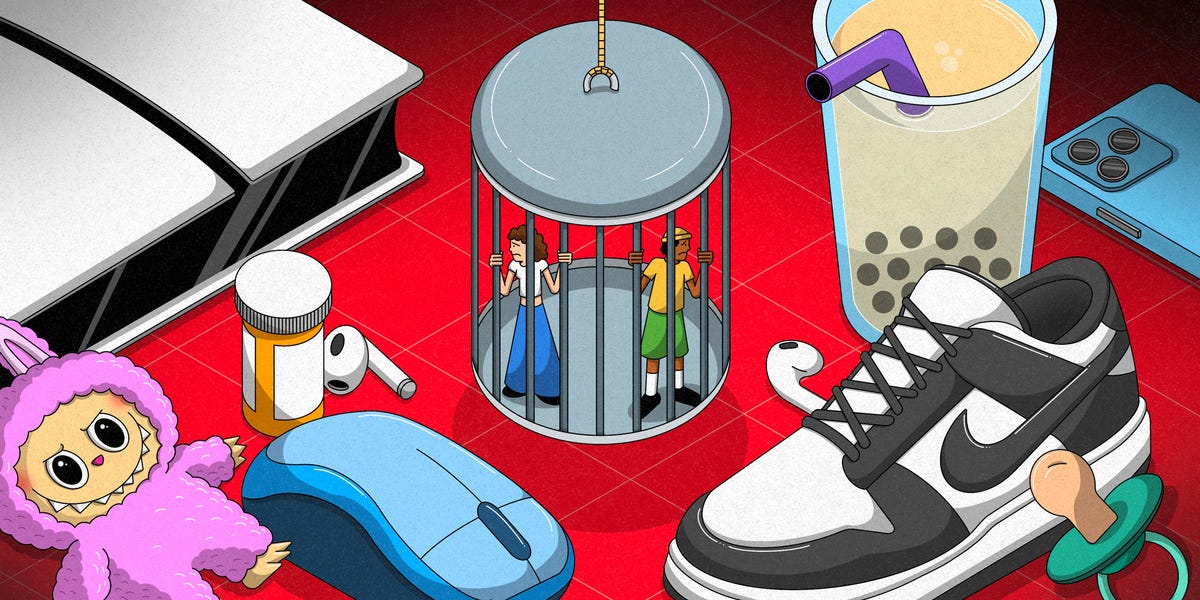
The Impact of Tariffs on Gen Z
For American consumers and sellers, Donald Trump's tariffs signify a hit to the wallet. While economic theory might often be bleak, it is clear enough to illustrate that an increase in import prices—ranging from a 10% to 145% hike—will require someone, whether it's the importer, consumer, or retailer, to shoulder these new costs. This is how the global economy functions.
As a Gen Xer, I've witnessed economic fluctuations such as the dot-com collapses, the financial crisis of 2008, Black Monday, and the economic turmoil caused by the pandemic. We’re accustomed to market volatility. Newcomers to the economic scene, however, like the Gen Zs, are entering these turbulent waters without prior exposure to such upheaval. To them, I extend a wary welcome—it's going to be a challenging time.
Why Gen Z Will Be Affected More
Gen Z, just entering the workforce, usually have lower incomes compared to older groups. Economic disturbances tend to hit lower-income individuals harder. These tariffs will affect all, but particularly items that Gen Z often buys could see significant price hikes. Research from the Federal Reserve Bank of Atlanta suggests that tariffs, even modest ones like 10% on China and 25% on Canada and Mexico, could raise average daily expenses by 1.63%. While some companies might absorb these costs, a worst-case scenario might see Gen Z-focused products disappear from the market entirely.
Beauty Products
Historically, beauty products had been resilient during economic declines, thanks to the 'lipstick effect.' However, the current climate may not afford them the same resistance. On average, Gen Z spends about $2,000 annually on beauty items, a significant portion driven by influencer marketing. Many of these products come from countries with robust skincare industries like South Korea and Japan. Tariffs on imports from these regions could adversely affect prices.
Many cosmetics companies source packaging from Asia, and various product lines are primarily manufactured in Asian countries. Large corporations may manage the tariff-induced cost increase without drastically affecting prices, but smaller brands might have no choice but to raise prices or face shortages. Loyal customers might stick to their beauty essentials, but significant cuts in purchase frequency could threaten the survival of some products.
Technology Gadgets
While some tech giants have secured tariff exemptions for their products, many reliant on global production lines face uncertainty. Companies that fill Amazon's digital aisles with affordable electronics will struggle if forced to raise prices. Subsequently, these gadgets may vanish, limiting consumer choices and prompting changes in how often people replace tech. For Gen Z, tech isn't just practical; it's an identity marker. Yet, with limited finances, they face disproportionate impacts from rising costs.
Bubble Tea
Gen Z's dining habits tend to be more budget-focused and experimentative. This adventurous taste is evident in the boba tea trend, a drink that mixes Asian flavors with chewy tapioca pearls. These pearls mainly come from Taiwan, and with tariffs expected to rise sharply, retailers, especially small businesses, might need to hike prices or stop offering certain products altogether. This can make obtaining your favorite boba tea a challenge.
Medications for Mental Health
Young adults have increasingly reported mental health issues. With more of them being prescribed medications, tariffs could significantly affect these pharmaceutical products' prices. Many generic drugs are manufactured abroad, and even domestically made drugs often use imported components. Specific controls exist for ADHD medications, shielding them from tariff impacts. However, antidepressants and anxiety medications could see price increases, pushing premiums higher and straining Gen Z’s financial capabilities.
The Broader Consequences
Overall, tariffs will likely take the greatest toll on those least able to afford it. Beyond raised product prices, changes in regulations like the removal of certain trade exceptions mean additional costs for retailers that directly sell to U.S. consumers. Given their typically lower earnings, Gen Z is poised to bear the brunt of these financial strains. From skincare to tech to mental health, the Trump tariffs present a stark fiscal picture for younger generations.
Leave a Reply