


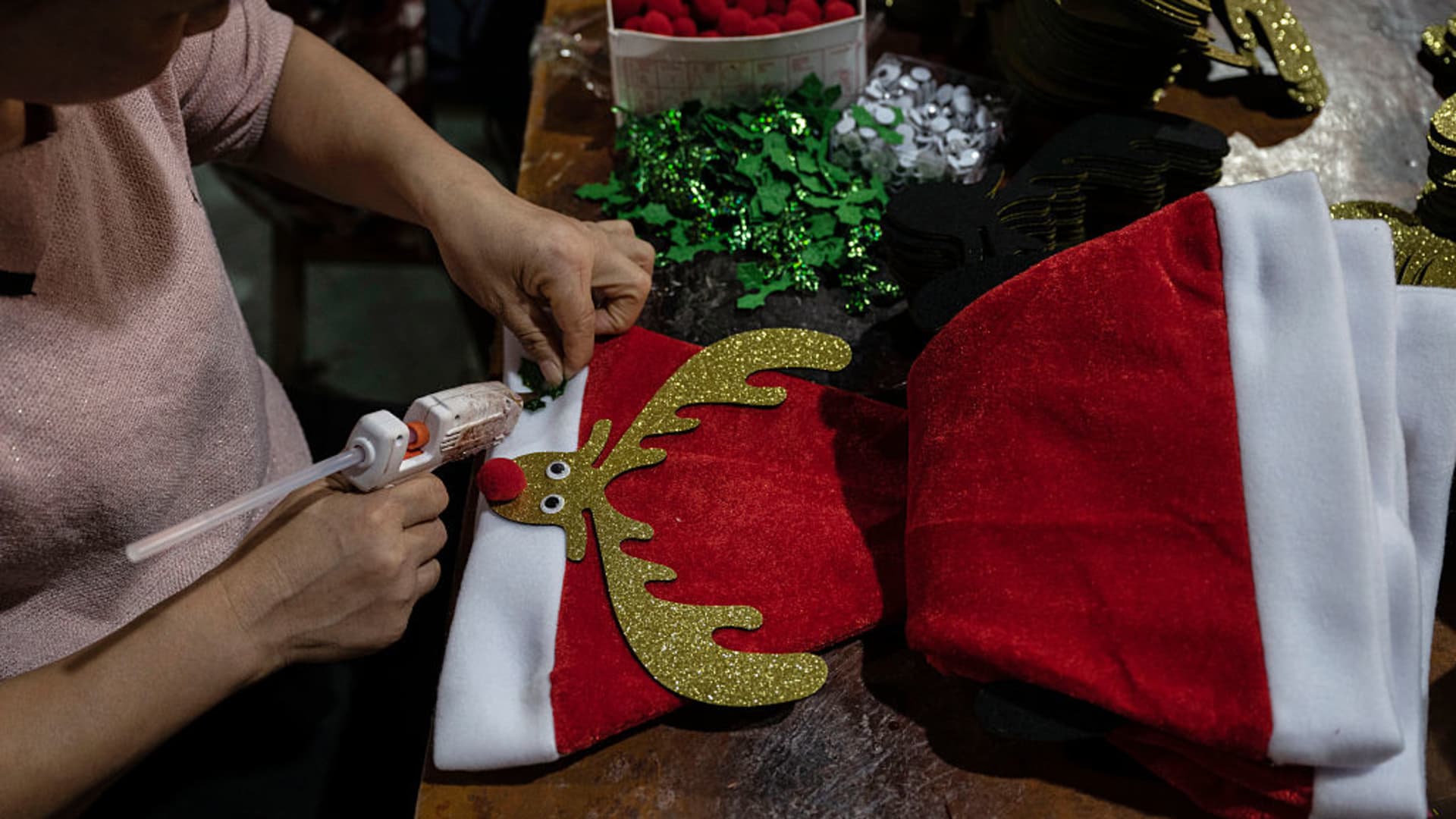
Impact of U.S.-China Tariff Pause on Christmas Shopping Season
The temporary pause in the trade tensions between the United States and China has provided a much-needed break for American retailers, especially with the holiday season fast approaching. This reprieve is crucial for ensuring that Christmas gifts reach consumers on time.
In the previous year, Christmas shopping accounted for nearly 20% of U.S. retail sales, achieving a 4% increase in sales, which reached an unprecedented $994.1 billion, according to data analysis by the National Retail Federation.
"Thanks to the efficiency of Chinese manufacturing, the 90-day period is likely sufficient to address any shortages of products for the U.S. Christmas market," expressed Ryan Zhao, who oversees operations at Jiangsu Green Willow Textile. Zhao's company, heavily reliant on exports, had recently halted production for its American clients but expects that orders will soon pick back up, albeit perhaps not to previous volumes due to buyers finding alternatives to Chinese manufacturers.
Preparing for the Holiday Rush
Retailers in the U.S. typically initiate orders months prior to key holidays, allowing ample time for manufacturing in China and subsequent shipping to the United States. However, the recent unexpected hike in tariffs had left businesses uncertain about the viability of their supply chains for holiday stocking.
Cameron Johnson, a senior partner at consulting firm Tidalwave Solutions in Shanghai, remarked that the 90-day relief prevents a potential setback for Christmas retailers, although it falls short of alleviating concerns for other upcoming sales periods such as Father's Day and back-to-school shopping, especially given residual logistics and tariff costs.
Despite this temporary alleviation, many duties imposed by the U.S. on Chinese goods still persist. Earlier this year, the Trump administration raised tariffs by 20% on Chinese imports linked to China's reported involvement in the spread of opiate precursors, a crisis resulting in numerous overdose fatalities in the United States.
Current Tariff Landscape and Business Reactions
Tariff increases in response to the trade dispute have substantially hiked the duties on goods between the U.S. and China. Although many of these tariffs are on hold for the duration of the 90-day agreement, any existing tariffs imposed beforehand remain effective. UBS estimates the average tariff on Chinese products in the U.S. to be about 43.5% currently.
For instance, Tony Post, CEO and founder of Topo Athletic, noted that running shoes manufactured in China now face a 47% tariff, compared to just 17% in January. While his company has secured certain cost concessions from Chinese suppliers, they have had to slightly increase prices to mitigate tariff costs.
Moving Forward with Cautious Optimism
Post remains hopeful that a long-term resolution can be attained between the two nations. His company remains dedicated to its collaboration with Chinese partners, relieved at the prospect of sustaining their business for the time being.
One major U.S. retailer noted optimism concerning recent developments but reserved further comments for their upcoming earnings briefing.
Enthusiasm about Chinese exports has waned to some extent, but Chinese exports worldwide still grew by 8.1% according to official statistics. Goldman Sachs has identified approximately 20% of these exports as connected to fulfilling American demand.
Leave a Reply