


U.K.'s New Immigration Approach: Ending Open Borders
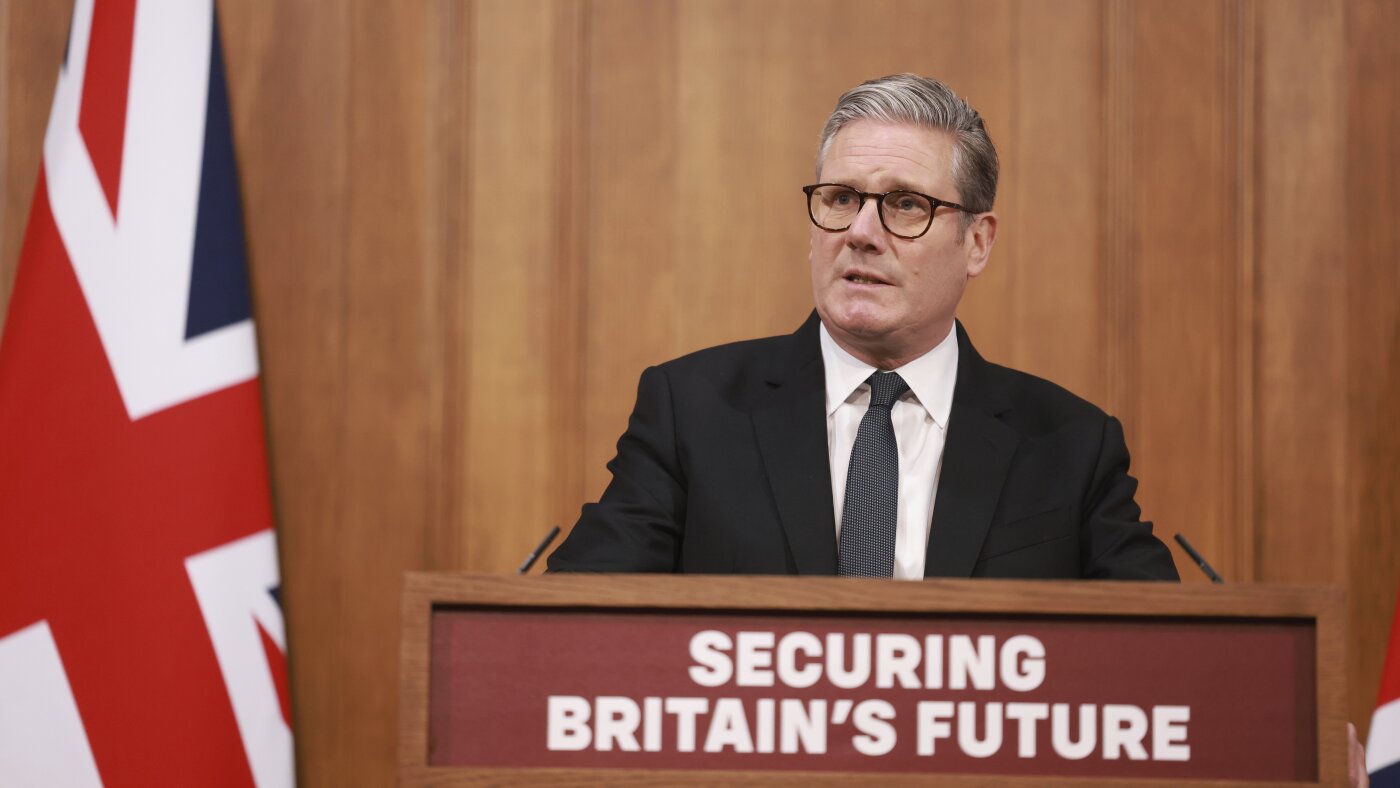
British Prime Minister Keir Starmer, in a recent news briefing in London, declared the introduction of stricter immigration policies aimed at concluding what he described as an unsuccessful period of open borders.
Starmer introduced these new regulations emphasizing the need to 'reclaim control' with updated visa procedures, making it tougher to acquire work, familial, and educational visas to enter the U.K. Critics have argued that his rhetoric resembles that of the far-right, contrasting his Labour Party's traditionally more moderate position.
Rationale and Legislative Path
In his policy document, Starmer articulated the significant impact of immigration on the nation, advocating for these changes to preserve societal harmony, enhance local workforce development, and avoid Britain evolving into what he termed 'an island of strangers.'
The proposed measures await approval from Parliament and arrive shortly after electoral gains by the staunchly anti-immigration Reform U.K. Party in English local elections.
Current Migration Landscape
Recent data shows a notable increase in net migration over the last ten years, with Indian nationals receiving the most U.K. visas, and a surge in American applications for British citizenship.
These legislative changes are seen as a response to the unexpected immigration surge post-Brexit, which followed a much more liberal immigration regime introduced by the preceding Conservative administration.
According to Madeleine Sumption from the University of Oxford's Migration Observatory, the current administration is attempting to revert to pre-Brexit immigration norms while retaining certain restrictive elements.
Immigration Regulations: Key Elements
New immigration rules are intended to focus primarily on legal migration, aiming to tighten restrictions on visas even as concerns mount around illegal entries, particularly those involving crossings from France.
Under the new policies, immigrants must demonstrate higher English language proficiency for some work visas, and the route to citizenship will extend to a decade-long wait, up from the current five-year requirement.
The policy changes also foresee a reduction in foreign worker recruitment, especially for lower-skilled jobs.
Additionally, visitors from countries that don't require tourist visas will have to apply online for a visa waiver before traveling to the U.K.
Public Opinion and Criticism
Polls indicate broad public support for government action against illegal migration, with particular emphasis on combating smuggling operations.
However, regulations surrounding legal migration, as announced, have sparked debate, with figures within Starmer's party criticizing the prime minister's tone as inciting fear and division, reminiscent of controversial figures from British history.
Organizations like Care4Calais have condemned Starmer's phrasing as hazardous, potentially fueling extremist ideologies and racial discord.
Despite these criticisms, opposition voices demand more extensive measures for reducing immigration levels, arguing that the proposed actions do not sufficiently address the challenges at hand.
Leave a Reply