


Is Your Mind Your Political Future?
Exploring the curious link between brain structure and ideological leanings.
Ideology has become a buzzword today.
Even without explicitly using the term, discussions revolve around it. For instance, former President Donald Trump frequently critiques the left's stance on gender subjects, critical race theory, or diversity and inclusion. Conversely, Trump's critics accuse him of fascist leanings. Indeed, ideology is a tool employed to elucidate or criticize political actions.
Implicit in many debates is the assumption that true ideologues belong to the opposition. Labeling someone as 'ideological' often insinuates that they're excessively rigid or dogmatic. But is this characterization beneficial? Are we truly aware of what ideology encompasses? Perhaps we're all ideological beings, knowingly or not.
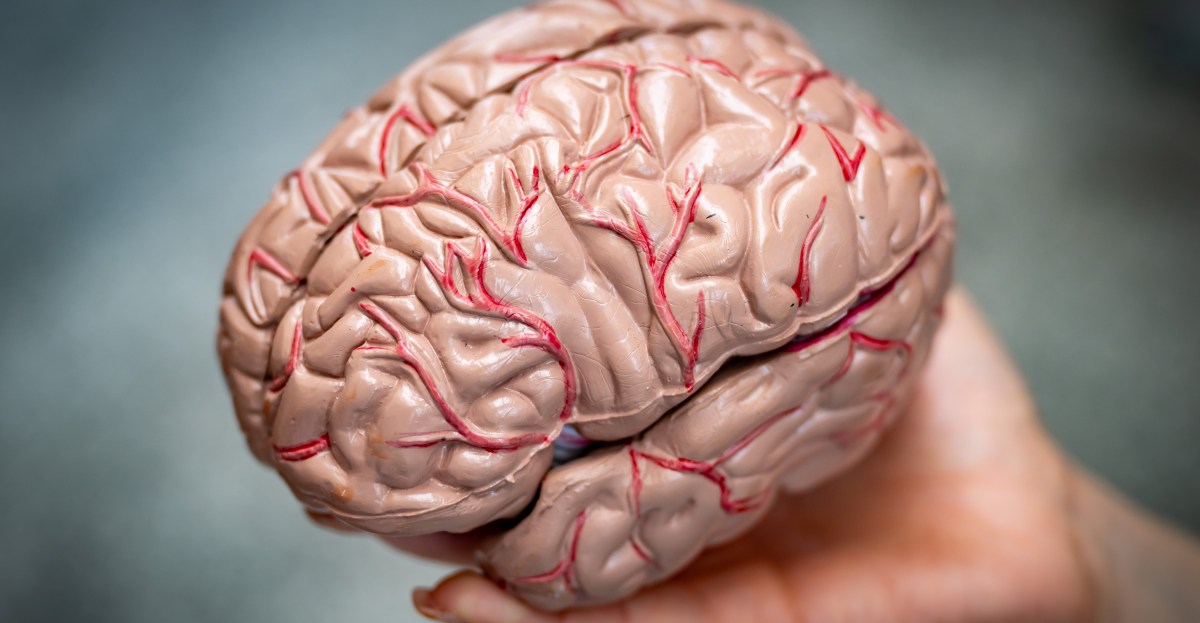
Leor Zmigrod, a cognitive neuroscientist and writer of 'The Ideological Brain,' examines how political convictions are more than abstract ideas—they're ingrained neurological imprints. Over time, these imprints transform our brains, suggesting a profound link between our biological makeup and beliefs.
I had the opportunity to speak with Zmigrod on 'The Gray Area' regarding the roots of belief and if ideology can be boiled down to neural structures. For more, listen to the full discussion on platforms like Apple Podcasts and Spotify. Catch new episodes every Monday.
Defining Ideology
How do we define ideology? It often comprises a steadfast set of beliefs, suggesting an uncompromising worldview, impervious to contradictory evidence. Ideologies propose a narrative about the world, dictating behaviors and interactions. Yet, there's more to the story.
Being ideological involves adhering to fixed doctrines and identity. This rigid identity effects judgments about everyone, distinguishing believers from non-believers. Ideological intensity often correlates with aversion towards differing perspectives, sometimes culminating in hostilities.
Distinguishing Ideology from Culture
The distinction between ideology and culture often intrigues me. Culture may embrace eccentricities and diverse traditions. It doesn't dictate behaviors as strictly as ideologies, which usually delineate strict prescriptions of acceptability.
Cognitive Rigidity vs. Flexibility
Determining someone’s mental adaptability isn't simply a question. Despite self-perceptions, the most rigid individuals might consider themselves versatile, while truly flexible minds might be unaware of their adaptability. Thus, indirect assessments become crucial.
For these assessments, cognitive tests like the Wisconsin Card Sorting Test come into play. Participants sort cards, initially unaware of the governing rule, inevitably learning to sort based on colors. Here’s the crux: unbeknownst to participants, the rules change.
Adaptive individuals will discern this shift, seeking alternative processes. In contrast, those resistant to change persistently apply outdated methods despite contrary feedback.
This reflects broader political rigidity, where resistance to change translates to unease with diverse opinions or pluralistic exchanges. Yet, such rigidity spans both ends of the political spectrum.
Navigating Flexibility and Rigidity
Can one be excessively malleable? Complete persuadability might not equate to true flexibility. Genuine adaptability involves adjusting beliefs in response to credible evidence, not whimsy.
Fostering flexibility is crucial, yet maintaining principles without becoming dogmatic is intricate. While conviction shouldn't be pathologized, unwavering adherence to beliefs may verge on dogmatism.
Avoiding rigid ideologies doesn’t necessitate a lack of moral direction. It’s possible to adopt a moral framework without succumbing to absolutism.
Ideology as a Cognitive Shortcut
Our brains are constantly deciphering the world, seeking shortcuts to manage complexities—here, ideologies offer deceptive simplicity, providing ready-made rules and causal explanations. This convenience makes ideologies particularly enticing.
This doesn't mean all ideologies are equal in fostering extremism. Positive ideologies are sometimes deemed immune to dogmatism, yet all belief systems can be pursued dogmatically.
Utopian visions or dystopian fears often lie at the heart of ideologies, capable of engendering extremes in human behavior.
Biological Propensity or Ideological Influence?
Are some individuals inherently predisposed to dogmatic thinking, or do ideologies alter their neurobiology over time? The causal relationship is undoubtedly bidirectional.
Innate tendencies may attract individuals to particular ideological movements. Yet, becoming entrenched in extremism reshapes one's perception, potentially making them more ritualistic and rigid across life aspects.
Leave a Reply