


Wyoming Judge Declares State Abortion Bans Unconstitutional
In a significant legal ruling, two Wyoming statutes that restricted abortions, including a specific prohibition on abortion pills, were deemed unconstitutional. The state Constitution's protection of the 'fundamental right to make health care decisions' was cited as the basis for the decision.
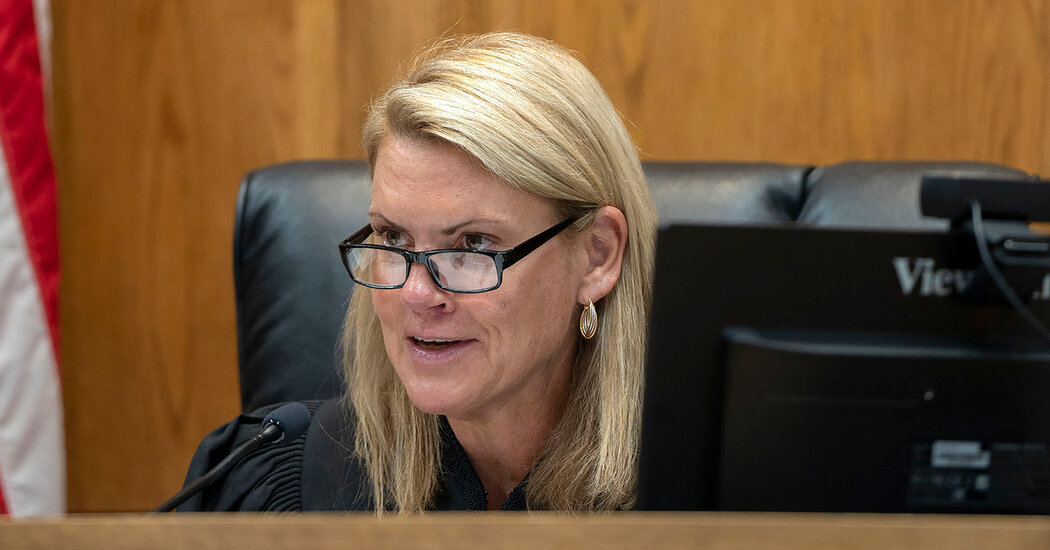
Judge Melissa Owens, presiding over the Teton County District Court, concluded that both prohibitions — addressing medication-based abortions and a complete ban on all abortion practices — violate the intrinsic right of all pregnant individuals to make personal healthcare choices.
Judge Owens emphasized that these laws effectively breach a woman’s autonomy over her pregnancy-related medical decisions throughout her pregnancy term, which she argued was neither justified nor beneficial for public health or welfare.
Previously placed on hold last year, the enforcement of these abortion restrictions was now permanently obstructed by the judge’s decision, notwithstanding the likelihood of an appeal by the state. Attempts to contact legal representatives or state officials for remarks on the ruling were unsuccessful at the time.
A diverse group of plaintiffs, including Wyoming-based abortion service providers, a gynecologist caring for high-risk pregnancies, a nurse from an emergency department, a fund supporting abortion costs, and a religious female claimant citing her faith’s provision for abortion when a mother’s health is at risk, launched the suit challenging these bans.
In 2012, an amendment ratified by a large majority of Wyoming voters ensured adult citizens the liberty to make their own healthcare resolutions.
During the preceding court cases, Jay Jerde, acting as Wyoming's special assistant attorney general, contended that since medical professionals are involved in abortion procedures, they were not completely classified as healthcare because they don't in all cases alleviate women's pain or illness.
Jerde further claimed that the process of abortion transcends personal healthcare autonomy as it influences the fetus, thus falling outside the constitutional safeguards meant for health-related decisions.
Judge Owens dismissed these contentions, reasoning that the state's arguments were unfounded and lacked supportive medical evidence, thus legitimizing the extensive medical testimony presented by plaintiffs.
Dr. Giovannina Anthony, one of the suit's plaintiffs and an active figure in the state’s abortion medical community, expressed her appreciation for the ruling, highlighting that it recognizes abortion as an aspect of healthcare and upholds women's rights.
According to Dr. Anthony, while this ruling marks a positive step, she anticipates a state appeal, but for the time being, healthcare providers can offer abortion services without fearing legal repercussions.
Leave a Reply