


Expansion of Legal Residency Opportunities Amid Immigration Policy Shifts
New Regulations Boost Green Card Accessibility for Temporary Workers
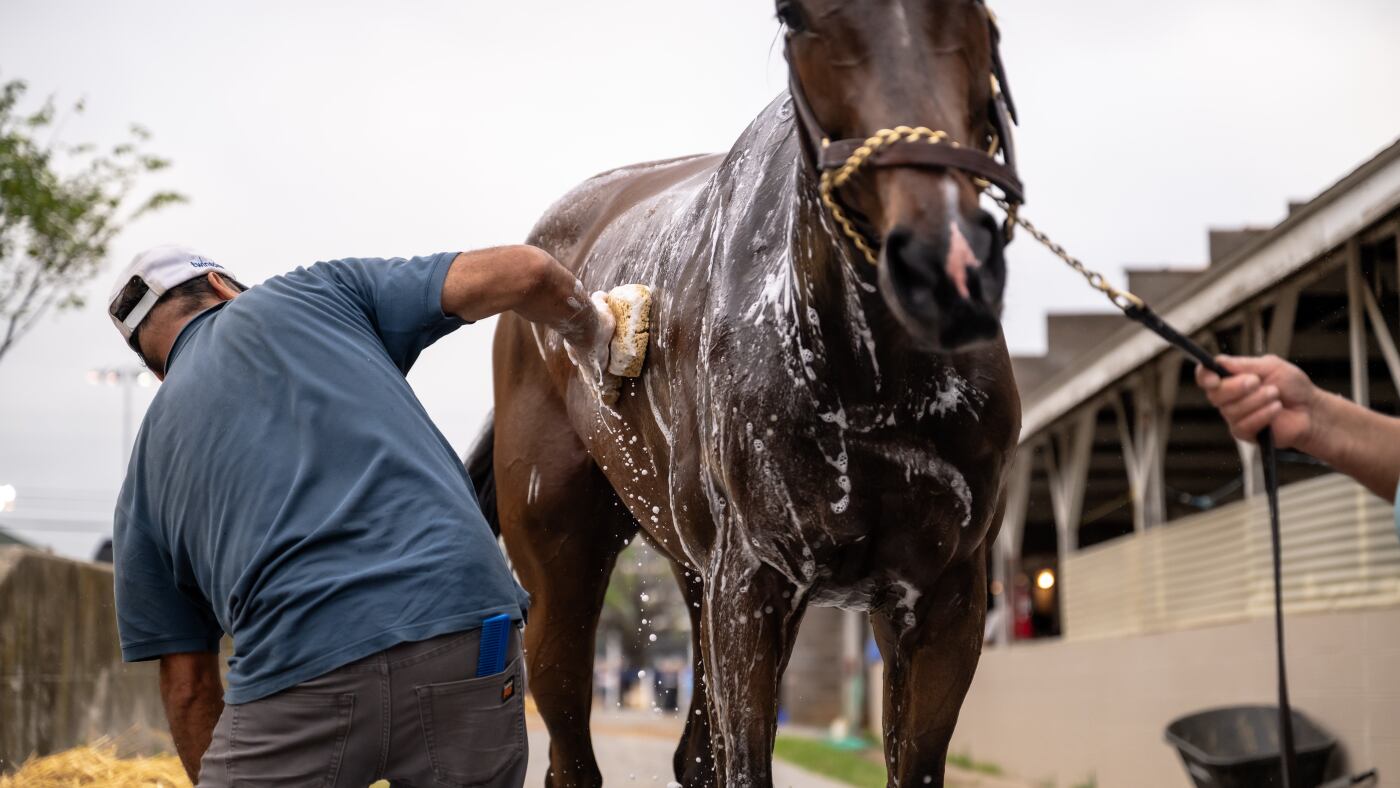
On an ordinary day in Louisville, Kentucky, Gerardo Serrano tends to horses at the well-known Churchill Downs, the venue of the annual Kentucky Derby. With horses peeking their heads out from their stalls and some wandering within the enclosure, Serrano busily sweeps away the hay from the entrance.
Having originally moved from Morelia, Michoacán, Serrano arrived in the United States on a short-term visa over a decade ago. He's part of a vast group using the H-2B visa designated for non-farming seasonal roles, prevalent in horse care, hospitality, and gardening sectors.
Transitioning from temporary status, Serrano secured his green card about three years ago. This status allowed his family, including his two children, ages 12 and 16, to join him in America recently.
Jobs in horse racing can be rewarding; grooms, in particular, may earn a portion of a triumphant horse's prize money, which can be substantial. More than monetary gain, the avenue to a permanent U.S. residency adds further incentive.
A Simplified Green Card Process
Previously, pursuing a permanent residency application while holding a temporary visa often drew rigorous inspection from immigration authorities, raising concerns about renewal and increasing rejection risks. However, a recent Biden administration regulation explicitly permits such workers to apply for permanent residency without jeopardizing their visa status.
According to attorney Keith Pabian, who specializes in H-2B visas in hospitality, his clients now feel assured that their green card requests are less likely to encounter obstacles. With this rule, the Trump administration's effort to dismantle such pathways is limited.
Examining Employer Motives
Data on how many in the racing industry acquire green cards is sparse, but employers show increased interest in sponsorship. Despite upfront costs and the potential of workers seeking different jobs afterward, employers often opt for this pathway to retain and train skilled labor.
Attorney Nataly Mualem explains that employers see green cards as a solution to the uncertain availability of the H-2B workforce, a significant concern given the visa's 66,000 annual cap.
Trainers and the Workforce Competition
Horse trainers heavily depend on their workforce, which plays a crucial role in ensuring horses' competitive strengths. Trainers like Dallas Stewart at Churchill Downs have invested considerably in sponsoring visas.
Trainer Ian Wilkes notes the long-term benefits of transitioning workers to green cards once their visas cost is covered, although he acknowledges the challenges posed by visa restrictions.
Without ample domestic job seekers, trainers rely heavily on these programs to sustain staffing levels.
Facing Program Changes
The limit on H-2B visas creates instability for trainers dependent on this workforce. Dale Romans, a Kentucky-based trainer, highlights the difficulties in planning due to constant reapplications and the possibility of visa denial.
For Herbert Cardona Marroquin from Guatemala, the lack of stability with a temporary visa remains a concern, although he cherishes the opportunity to work with horses. Aspiring for permanency is a shared goal among many in his position.
Employers acknowledge the risk that permanent residency allows workers the freedom to change jobs, yet many consider the investment worthwhile for the stability it promises.
Leave a Reply