


Enhancing Pilot Rest and Alertness for the US Military
US military personnel often struggle with insufficient rest, creating challenges that a leading Pentagon research agency aims to address.
The Defense Advanced Research Projects Agency (DARPA) is actively pursuing methods to help fatigued pilots and combat soldiers improve their sleep and remain attentive when required.
"Our servicemen and women commonly receive less than six hours of rest each night," noted Gregory Witkop, a former flight surgeon now steering DARPA's sleep research. During deployment, these hours may decrease to as few as three per night.
The Department of Defense recognizes the severe consequences of sleep deprivation, which was linked to safety incidents and fatalities in a 2024 report. Factors like excessive work hours and poor-quality bedding further complicate getting adequate sleep.
Witkop is on a mission to determine if DARPA can enable personnel with minimal sleep to feel refreshed as if they have had significantly more rest.
Optimizing Sleep Cycles
According to Witkop, enhancing typical sleep patterns to ensure the full benefits of various sleep stages, such as REM and non-REM, is crucial. DARPA outlines priorities for external researchers to address military sleep challenges.
One possible solution involves wearable devices that emit light waves to optimize brain rest functions, potentially amplifying the perceived restfulness of limited sleep duration.
Witkop emphasizes the undervalued necessity of sleep, which is mistakenly seen as optional rather than essential. Despite its fundamental role in brain recovery, many troops suffer from chronic deprivation with significant mental health implications.
Beyond Military Borders
The struggle with insufficient sleep extends beyond the military; many Americans share this plight, often aggravated by technology in bedrooms. However, the consequences are particularly critical for military operations involving high-stakes tasks like aerial refueling.
Staying Vigilant: Night Missions
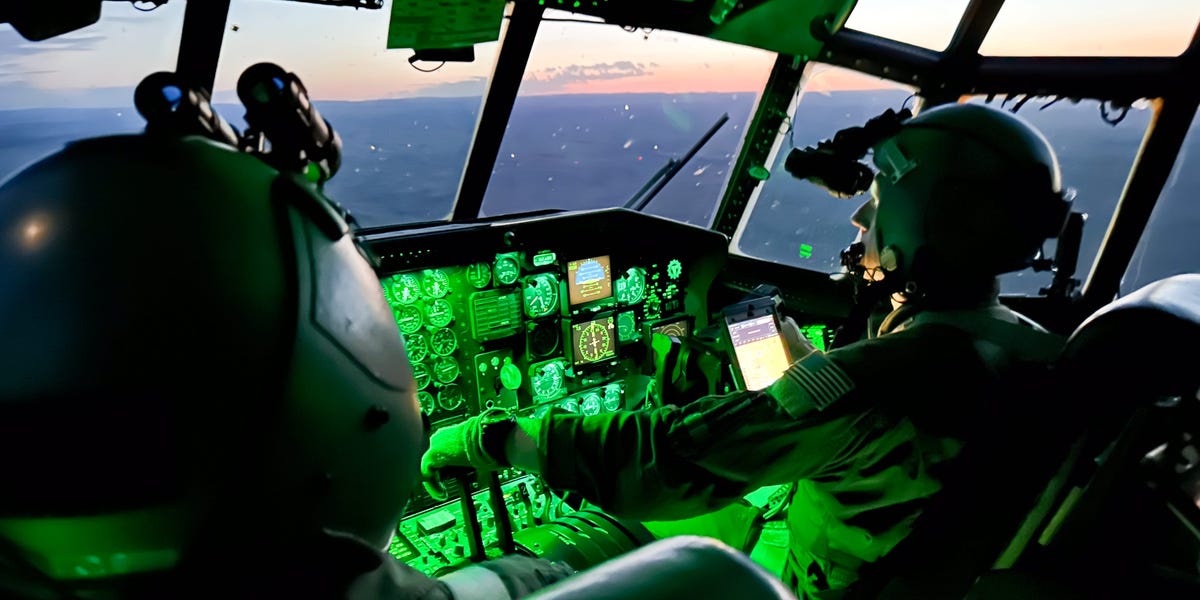
The research doesn't stop at improving rest. DARPA is also exploring strategies to keep military personnel, such as pilots on night missions, alert without relying on stimulants like caffeine.
Pedro Irazoqui, overseeing other DARPA initiatives, highlights the challenge pilots face with maintaining focus during extended flights and the problematic reliance on energy drinks.
His team envisions using infrared light therapy to stimulate alertness mimicking caffeine effects without hardness, allowing seamless transition back to sleep without stimulant interference.
"Our goal is to enhance mental clarity and alertness safely and effectively," Irazoqui states, stressing the importance of being able to toggle alertness as needs arise.
Leave a Reply