


Taking on Military Solo Parenting: The Unexpected Hardships
"Why hasn't Dad reached out yet?" My children often ask.
As a mother, these words weigh heavily on my heart. My children frequently feel anxious due to sensational news reports or baseless rumors, generating a constant environment of worry about their father’s safety. Their father dutifully served 24 years in the Navy, spending nearly a decade deployed, with short intermissions at home. This uncertainty was always part of our life, but nothing prepared me for the hurdles we’d encounter, especially the ones my son faced.
The Impact of the 2011 Japan Quake
Resilient as he is now, my son's childhood was marred by traumatic events. We were stationed in Japan during the 2011 earthquake, an experience that deeply affected him. The earthquake uprooted us yet again, adding to the list of places we called home. Unfortunately, this led to the onset of severe ADHD, anxiety, and PTSD in my son, conditions that strained his ability to make friends and cope with frequent moves. After his father and I divorced, his stress levels only climbed higher.
Recognizing his distress while grappling with my helplessness was challenging. Despite my attempts to embody both parental roles, I knew I couldn't replace what he missed from his father.
Finding Support in Community Programs
Mental health issues are commonly acknowledged in service members and veterans, yet the psychological strains on military children are frequently overlooked. These kids, who make significant sacrifices, are often unsupported. That’s where programs like Big Brothers Big Sisters become vital.
At age 10, my son joined this fantastic mentoring network where children are paired with adult volunteers. Having been a part of this program myself as a child, I witnessed the profound influence it had on my life, even naming one of my children after my mentor. The impact on my son was just as significant.
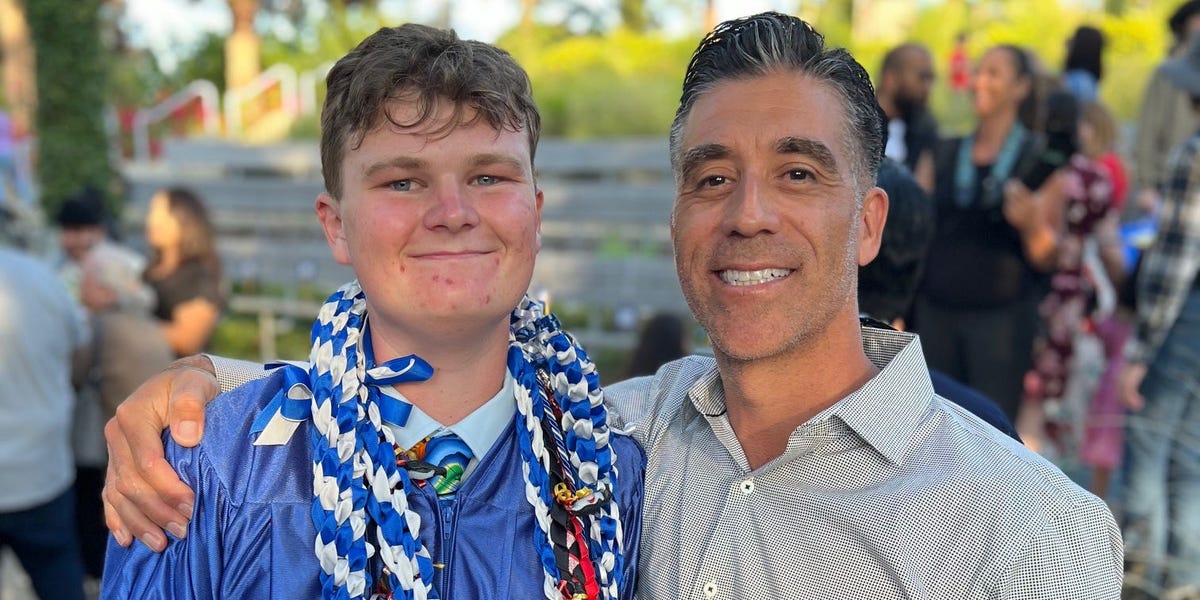
It wasn’t an immediate process, taking around six months for my son to be paired. However, his mentor being a Marine veteran was worth the patience. Understanding the idiosyncrasies of military life, his Big became invaluable, especially as I managed multiple responsibilities as a working mother.
A New Role Model
The influence of his Big extended beyond activities like learning golf; his guidance was essential as my son faced a serious health diagnosis. During the pandemic, my son was diagnosed with congenital anorchia, a rare condition causing a lack of testosterone. His Big was crucial in providing emotional support throughout his adolescence.
Despite his father's uneven presence, his Big remained a steady influence, helping prepare him for adulthood. He taught my son vital skills like financial literacy and job interviewing tactics — invaluable tools that recently led to his securing his first job.
While my son's condition limits his ability to have children, his mentor has been a beacon of hope, inspiring him to envisage a future where he too can be a mentor.
Gratitude and Learning
I am immensely grateful for organizations like the Bob Woodruff Foundation, which recognizes and funds such pivotal programs, addressing the unique mental health needs of military kids.
Being a single parent in this context has undeniably been tough. At times I wished I could manage it all independently, but this journey taught me the importance of seeking support.
Big Brothers Big Sisters imparted a powerful lesson: challenges don't have to be tackled alone. My son's Big and countless others nationwide have enriched our lives, proving the transformative power of simply being present.
Leave a Reply