


The Federalist Society's Complex Relationship with Trump
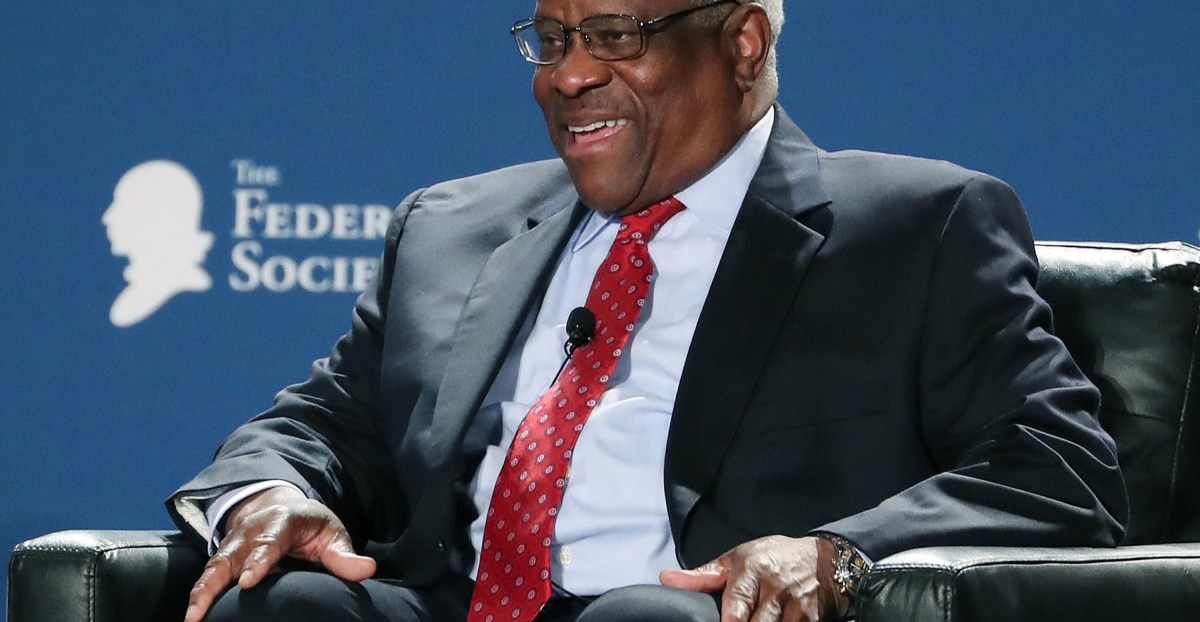
The Federalist Society, a prominent legal group aligned with conservative ideals, has seen significant gains under President Donald Trump. Known for its influence in shaping the U.S. judiciary, the Society was instrumental in Trump's selection of judges, including his Supreme Court appointments.
Questions of Continued Support
Despite the strong collaboration, a recent Federalist Society event showcased complexities in their stance towards Trump, particularly concerning his second term. Speakers at the gathering were generally cautious about openly criticizing his administration, although they did not shy away from condemning his tariff policies. Many attendees expressed concern over the disarray and inefficiency referred to as 'chaos' by speaker Susan Dudley, a regulatory policy expert from George Washington University.
Dudley highlighted the risk of Trump’s second term squandering pivotal opportunities for deregulation due to mismanagement. Echoing this sentiment, Professor Richard Pierce projected that Trump's efforts to dismantle regulations would again face significant hurdles, largely due to procedural and bureaucratic complexities.
Judiciary vs. Executive Power
Over the years, the Federalist Society has been a proponent of strengthening the judiciary's role over the executive, especially when it is aligned with their views. The recent focus, as illustrated by debates surrounding Trump’s tariffs, was on using judicial power to counter his executive decisions. The conversation often gravitated towards resurrecting the 'nondelegation doctrine,' a nearly obsolete legal principle that could empower the judiciary to challenge executive policies extensively.
DOGE and the Federal Workforce
A session titled 'DOGE and the Future of the Federal Workforce,' led by Kristine Simmons, brought to light criticisms of the Department of Government Efficiency (DOGE), a controversial reform initiative supposedly aimed at enhancing governmental efficacy. Simmons lamented how initiatives like DOGE have worsened government workforce issues, such as age distribution and motivational challenges among federal employees.
Her sharpest critique targeted DOGE’s impact on new federal hires and technologically skilled workers, suggesting that it drove crucial talent away from public service. This approach contradicted Trump’s early directives encouraging private-sector employment over public roles, potentially undermining long-term conservative policy objectives.
Who's Got the Power?
Another contentious debate addressed whether the judiciary should hold the power to impose nationwide injunctions—legal orders that can halt federal policies across the country. Although both Trump’s and Biden’s Justice Departments have resisted such broad orders, opinions at the conference varied, with some participants advocating for judicial restraint and others supporting injunctive powers to counter Trump’s presidency.
Ultimately, while the Federalist Society's overarching aims remain clear—to influence U.S. legal frameworks in alignment with conservative ethos—its relationship with Trump reflects both shared goals and significant ideological differences, particularly concerning the method and approach to governance.
Leave a Reply