


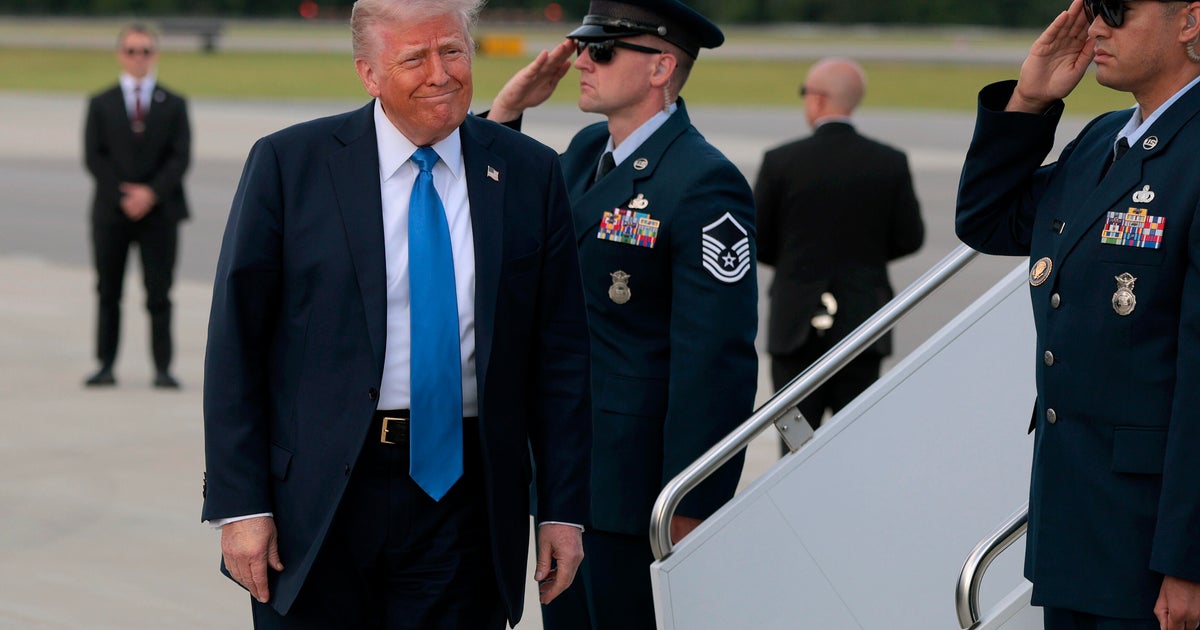
President Trump Sets Off for Saudi Arabia In Landmark Foreign Visit of New Administration
On Monday, President Trump will depart for Saudi Arabia, marking the beginning of the first international journey of his renewed tenure in office. Contrary to the usual presidential protocol, Trump also chose Saudi Arabia for his initial overseas trip in his first term, instead of traditional allies like the United Kingdom.
Saudi Arabia represents the initial leg of Trump's four-day Middle Eastern tour scheduled for this week. The administration seeks to leverage the trip both for diplomatic and economic conversations.
In March, Trump reflected on his previous visit saying, "The Saudis invested $450 million last time," indicating his keen interest in more future partnerships. Early in his new term, Crown Prince Mohammed bin Salman expressed intentions to inject significant investments into the U.S. market over the coming years.
Strategic Ties Amid Regional Unrest
The nuanced and strategic connection with Saudi Arabia is crucial for the Trump administration, given the persistent instability in the Middle East and the lingering conflict involving Israel and Hamas. This relationship is not only vital for resolving regional turbulence but also for broader geopolitical alliances.
Earlier in the year, U.S. dialogues with Russia took place in Riyadh, aiming to address the ongoing war in Ukraine. Furthermore, Saudi collaboration is sought on multiple fronts including hostilities in Gaza.
Investment and Economic Interests
While political matters dominate the agenda, business engagements are also pivotal. Trump addressed a February investment event in Miami, sponsored by Saudi entities, underscoring the economic symbiosis between the Trump Organization's ventures and Saudi interests.
"The historic return to the Middle East by President Trump will focus on enhancing the partnerships between the U.S. and nations like Saudi Arabia, Qatar, and the UAE," stated White House Press Secretary Karoline Leavitt. She highlighted this trip as a continuation of his bold diplomatic doctrine termed peace-through-strength, initiated eight years prior.
Reaffirming Middle Eastern Agreements
During Trump's previous tenure, the Abraham Accords reshaped relationships between Israel and its Arab neighbors. The current administration aims to expand and strengthen these ties, with Trump revisiting the region to advocate for enduring peace and prosperity in the Middle East.
"We are on the threshold of what could be a transformative era for both America and the Middle East, embracing a vision rooted in stability and mutual growth," Leavitt added.
Engagements and Accompanying Officials
The U.S. Secretary of State, Marco Rubio, and Defense Secretary Pete Hegseth will join the President on this journey, facilitating enhanced dialogue with Gulf nations. They will also visit U.S. military operatives stationed at the Qatar airbase as part of the engagement.
Contrary to previous visits, Trump will not make a stop in Israel during this trip, signifying a shift from his prior diplomatic itinerary.
Leave a Reply