


The Unforeseen Struggles of Solo Military Parenting
The question that pierced my heart was always the same: "Why hasn't Dad emailed or called?"
To hear this from my children was always difficult. Worries began to stem from ominous reports in the news or unfounded rumors. This uncertainty clouded their childhoods, casting a constant shadow about their father's safety.
My husband dedicated 24 years to the Navy, his absences spanning 10 years with sporadic monthlong respites. Though I was somewhat accustomed to this lifestyle, the intensity of obstacles I faced raising our kids alone, especially my son, caught me off-guard.
Coping with Trauma After the Earthquake
Currently, my son’s fortitude is something to admire. However, as a child, the turmoil following the 2011 quake in Japan, where we were stationed, was insurmountable.
This life-altering earthquake uprooted him from yet another home, compounding the trauma. In the wake of the disaster, he struggled with severe ADHD, crippling anxiety, and PTSD.
These conditions hampered his ability to connect socially and adapt with each relocation. His academic performance also suffered. Intensifying his struggles was my separation from his father, which further amplified his anxiety.
Finding the Right Support
While it's acknowledged that military personnel and veterans battle mental health issues, the emotional wellbeing of their children often gets overshadowed.
These children unwillingly endure sacrifices for their serving parent’s duty. Programs such as Big Brothers Big Sisters offer invaluable support, bridging gaps for military children like my son.
When my son turned 10, I enrolled him with Big Brothers Big Sisters, a mentoring network that partners adult volunteers with young kids. Calling it helpful would be an understatement—its impact was immense.
I, too, had benefited from being a 'Little' in the program during my youth, naming one of my children after my own 'Big'. My son eventually had a similarly transformative experience.
A New Role Model
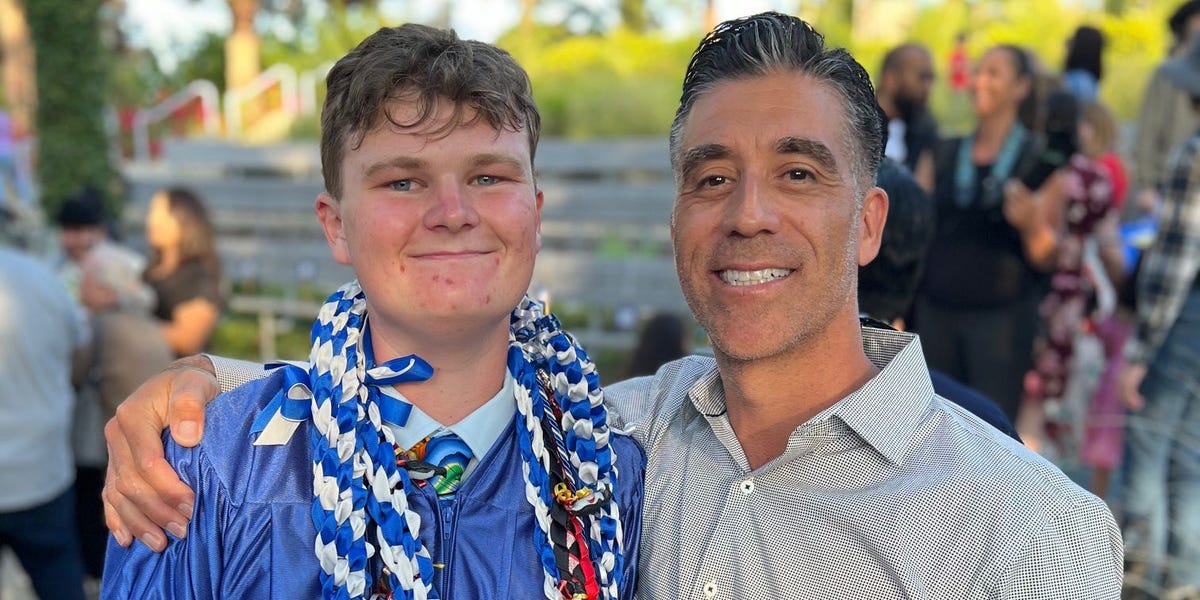
Six months later, my son was finally matched with his 'Big', a marine veteran who truly grasps military life’s challenges. He offered my son guidance and companionship where I sometimes fell short as a single working parent.
The 'Big' shared life-enriching lessons with my son, introducing him to golf, assisting with academics, and steadfastly supporting him during the pandemic, especially after a rare diagnosis of congenital anorchia.
The harsh reality of the treatments and isolation intensified the situation. This positive male influence in his life gave my son a much-needed outlet for sharing his emotions.
Hope for the Future
Even if my son's father remains occasionally absent, his 'Big' persists as a guiding force into his adulthood. He’s imparted wisdom on financial management, something I admittedly struggle with.
His 'Big' also equipped him with essential skills for job interviews, like maintaining eye contact—a challenge for him. Consequently, my son recently secured his initial job.
While his health condition precludes him from having children, the mentorship nurtured a new kind of hope in my son; he aspires to become a mentor himself someday.
Gratitude for Supportive Programs
I’m profoundly grateful for entities like the Bob Woodruff Foundation, which fund efforts that prioritize mental health services tailored for military kids.
Managing the mantle of primary parenthood has been an ongoing challenge. While I've aspired to do it all, I’ve learned the power of seeking support.
The Big Brothers Big Sisters program reaffirmed that no one needs to battle life’s tribulations in isolation. My son’s 'Big', among countless others, has enriched our family profoundly—an example of the true impact of simply being present.
Leave a Reply