


America's Waning Attention to Gaza Comes at a Crucial Time
Israel's latest aggressive strategy for the final stages of the Gaza conflict is going unnoticed in the United States.
The ongoing conflict in Gaza, long condemned as a human rights violation, is poised to escalate dramatically.
Recently, Israel's security council sanctioned a maneuver dubbed “Gideon’s Chariots.” Prime Minister Benjamin Netanyahu's description of this plan outlines extensive demolition across Gaza and aims to assert control over substantial areas.
Over two million Palestinians face a stark choice: endure life indefinitely packed into a cramped 'humanitarian zone,' or leave Gaza permanently. Finance Minister Bezalel Smotrich has brazenly stated the objective: to impose conditions so unbearable that relocation becomes the sole option — a classic act of ethnic cleansing.
Smotrich revealed, 'In mere months, Gaza will be annihilated.' He foresees a Gaza where hope is nonexistent, and residents are driven to seek sanctuary elsewhere.
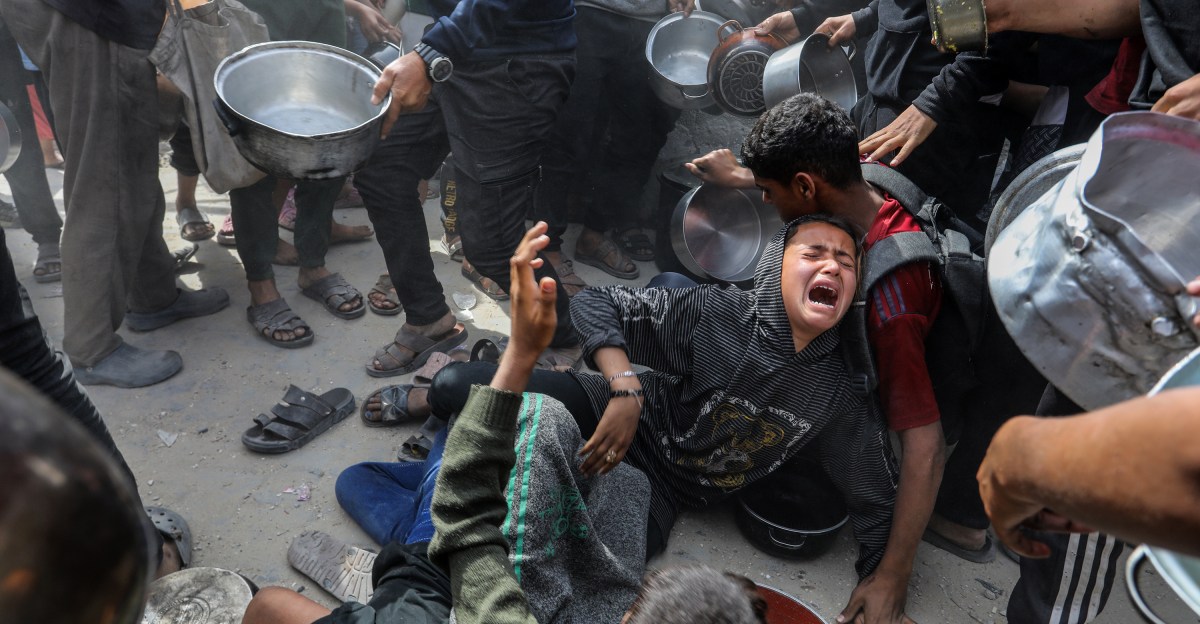
Deprived of foreign aid by an Israeli blockade, the plight of Gazan children is a humanitarian crisis. Should Smotrich's plan proceed, it would lead to an unthinkable humanitarian disaster.
A Pivotal Moment in Gaza's Future
The stakes are extraordinarily high as the destiny of Gaza's Palestinian population hangs in the balance.
Gideon’s Chariots’ execution has been delayed until after President Trump's Mideast tour, providing a fleeting chance to deter Israeli actions. A senior Israeli officer disclosed to CNN that this hiatus is intended to create space for a possible ceasefire exchange deal involving hostages.
Insight from Ilan Goldenberg, a Biden administration Middle East expert, suggests Israel might yet sidestep this course. He speculates Israel's threat is a leverage play against Hamas to negotiate hostages' release.
Impact on American Influence
Israel's military operations heavily rely on US support in terms of weaponry and diplomatic shielding, shaping a significant influence lever for American leaders.
Although Trump demonstrates minimal concern for Palestinian welfare or activism, he is not committed to extreme pro-Israel ideologies that ensure the Gazan exodus at all costs. His role in brokering a previous temporary ceasefire suggests public opinion could sway his stance on Israeli aggressions.
The Role of the American Public
The American public's awareness and response could be crucial now, as their disapproval might act to reign in Israeli strategies.
Unfortunately, American focus on the Israel-Hamas conflict is dwindling. April's Pew survey highlighted a 10-point drop in those who find it personally significant. Google Trends shows a concerning drop in interest since early October.
Historically, international conflicts like Russia's Ukraine invasion or ISIS's emergence initially captivate audiences before fading from public view. The Israel-Palestine standoff, though fiercely contentious globally, is not immune to this pattern. Despite sparking large-scale protest actions, maintaining consistent interest remains a challenge in the face of pressing domestic concerns.
The present period is pivotal; the fate of Palestinian life in Gaza could soon be decisively impacted. Americans may lack direct control over Israeli or Trump's policies, but they possess the power to express moral opposition. Now is the hour for that collective voice.
Leave a Reply