


Unlocking the Hidden Superfood in White Rice and Pasta
By Michaeleen Doucleff
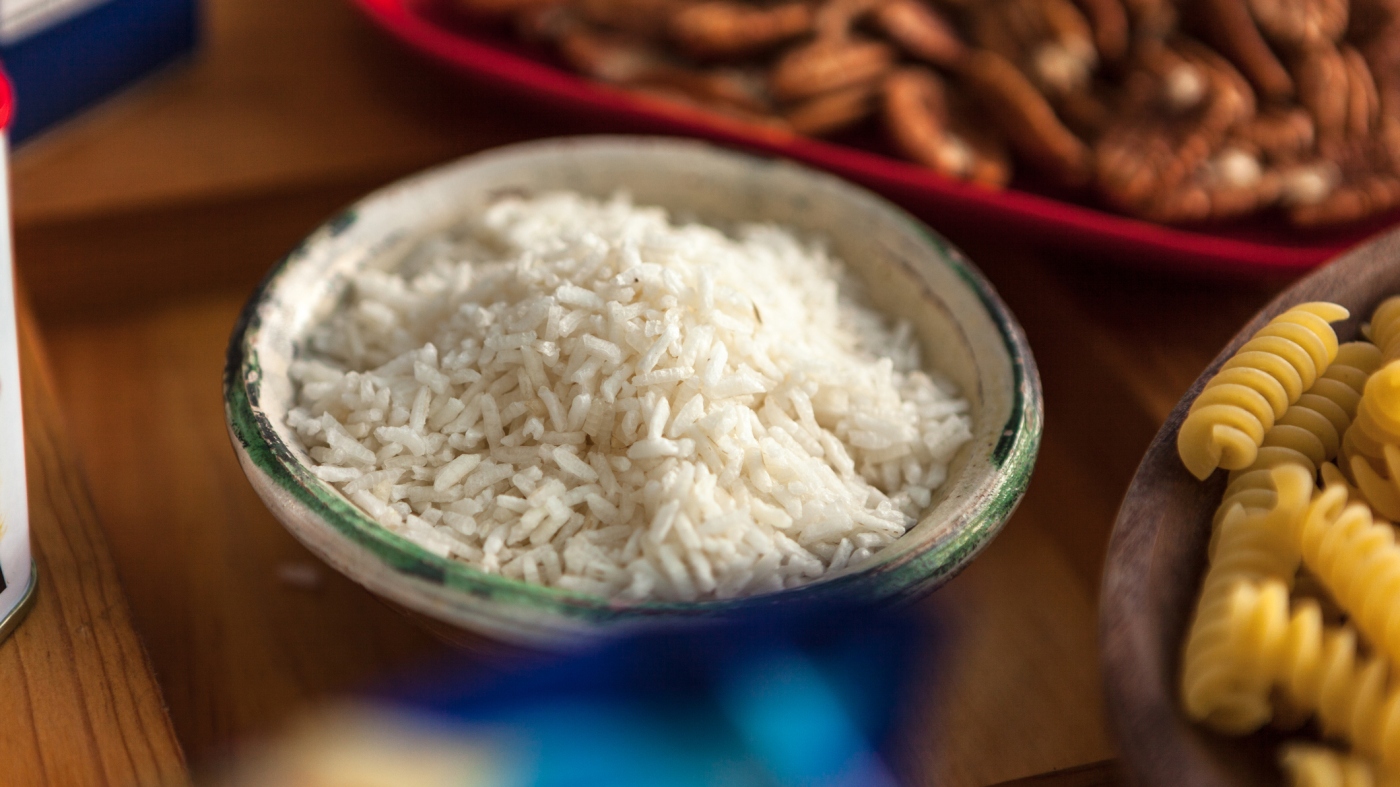
White rice and pasta are often considered less healthy due to their fast digestion that spikes blood sugar levels. However, there's a method to slow this process.
I often categorize carbohydrate-rich foods as either 'naughty' or 'nice.' Whole grains like brown rice definitely sit in the 'good' category, but white rice and pasta tend to be viewed less favorably.
White carbs are labeled 'naughty' because they are digested quickly, causing a rapid rise in blood sugar levels, according to a nutrition expert from Texas Woman's University in Houston. They also lack the fiber and protein found in whole grains.
Consistent high spikes in blood sugar can harm your long-term health by contributing to insulin resistance and causing fatigue.
Avoiding these blood sugar fluctuations results in more consistent energy levels and a better overall feeling of well-being. For individuals with diabetes, frequent spikes can lead to serious conditions like strokes or heart disease.
But what if there's a way to improve these so-called bad carbs? Recent food science advances have revealed a surprising nutrient hiding in plain sight within white rice and pasta.
Transforming Fast Carbs into Beneficial Carbs
One of the major discoveries is 'resistant starch,' which offers numerous health advantages, including aiding in blood sugar management, especially for diabetics.
The good news is that you can produce this nutrient at home. To do this, simply cook your rice or pasta, then cool it down in the refrigerator.
Taking white rice, for example, its sugar chains transform when cooled, making them resistant to digestion.
As the freshly cooked rice cools, sugar chains change structurally, forming shapes that digestive enzymes cannot break apart.
These changes result in fewer sugar molecules being absorbed into the bloodstream.
Consuming cooled rice moderates the blood sugar impact, unlike freshly cooked rice. This is because the resistant starch passes into the colon.
Because resistant starch is a type of fiber, and many people don’t get enough fiber, refrigerating your rice transforms it into a more fiber-rich food.
The same method can be applied to foods with digestible starch, like white pasta and potatoes. This means chilled pasta or potato salad could be better than freshly served versions.
Substitute olive oil for mayonnaise to retain health benefits.
Health Benefits Beyond Digestion
Resistant starch aids regular bowel actions and enhances gut health by nurturing beneficial gut bacteria.
Though human enzymes can’t digest resistant starch, gut microbiota thrive on it, promoting microbiome health.
These microbes convert resistant starch into short-chain fatty acids, which are beneficial for gut and metabolic health.
These acids play roles in decreasing inflammation and ensuring satiety.
Integrating More Resistant Starch in Your Meals
You don't need to eat these foods cold; gently reheating them maintains the resistant starch.
A practical approach is to prepare a large batch of rice, store it in the refrigerator, and have servings mixed with veggies or proteins.
Similar techniques can be used for potatoes or sweet potatoes, which can be topped with varying ingredients post-refrigeration.
For breakfast, soak oats overnight in milk and water without cooking to incorporate resistant starch.
Indeed, chilled leftovers could indeed be healthier than freshly made options.
Leave a Reply