


Mexico Challenges Google on Gulf Naming Dispute
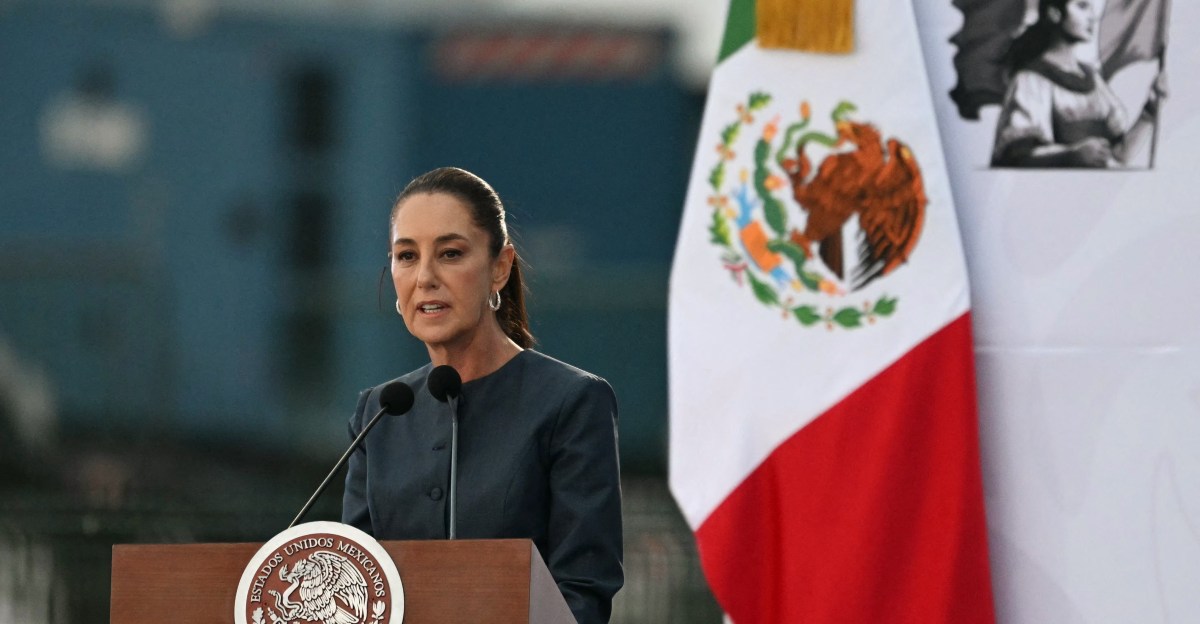
In a move against the U.S.-influenced digital mapping updates, Mexican President Claudia Sheinbaum announced a legal challenge against Google. This action addresses the tech giant's decision to rebrand the Gulf of Mexico as the 'Gulf of America' for its American users—a change implemented following instructions from former President Trump at the onset of his term.
Legal Actions Take Shape
Earlier, President Sheinbaum had warned of potential legal proceedings should Google refuse to revert to the customary name. For users in Mexico, the name remained unaltered, while internationally, it had shifted to 'Gulf of Mexico (Gulf of America).' Sheinbaum expressed in a statement that Mexico seeks adherence to the U.S. governmental decree with the understanding that such authority does not extend to international waters.
Sovereignty and Naming Rights
President Sheinbaum further remarked on the ability of nations to designate names within their borders, stressing that external regions, such as those belonging to Mexico or Cuba, should remain unchanged. She emphasized that the territories within the U.S. could be renamed at their discretion, urging tech companies to align with the existing U.S. government decision without overstepping international bounds.
Diplomatic Efforts and Responses
Prior to escalating the matter legally, Mexican authorities had formally requested Google to refrain from using the alternate name in reference to Mexican waters. Despite this, Google, through a correspondence by Cris Turner, its Vice President of Government Affairs, indicated no forthcoming alterations in their policy. Meanwhile, legislative actions in the U.S. have moved toward formalizing the name change.
Compliance and Industry Reactions
During Trump's administration, strict adherence to the 'Gulf of America' label was insisted upon, even leading to media restrictions for non-compliance. Notably, Google promptly followed suit within its mapping services, with other tech entities such as Apple soon echoing the change. In contrast, MapQuest seemed to resist, incorporating humorous takes on the situation.
Efforts to obtain comments from Google regarding recent developments were not immediately successful.
Leave a Reply