


Impact of Tariffs on Small Business Owners
Beth Benike, a veteran, entrepreneur, and mother, is expressing urgent concerns over recent tariffs. 'I’ve advised all my acquaintances to prioritize holiday shopping immediately, especially for children, due to looming product shortages,' she explains.
Strain on Small Enterprises
Following her military career in various global hotspots, Benike launched Busy Baby, a Minnesota-based business specializing in children's placemats and utensils, produced in China. The new 145% import tariff by President Trump is now threatening her operations.
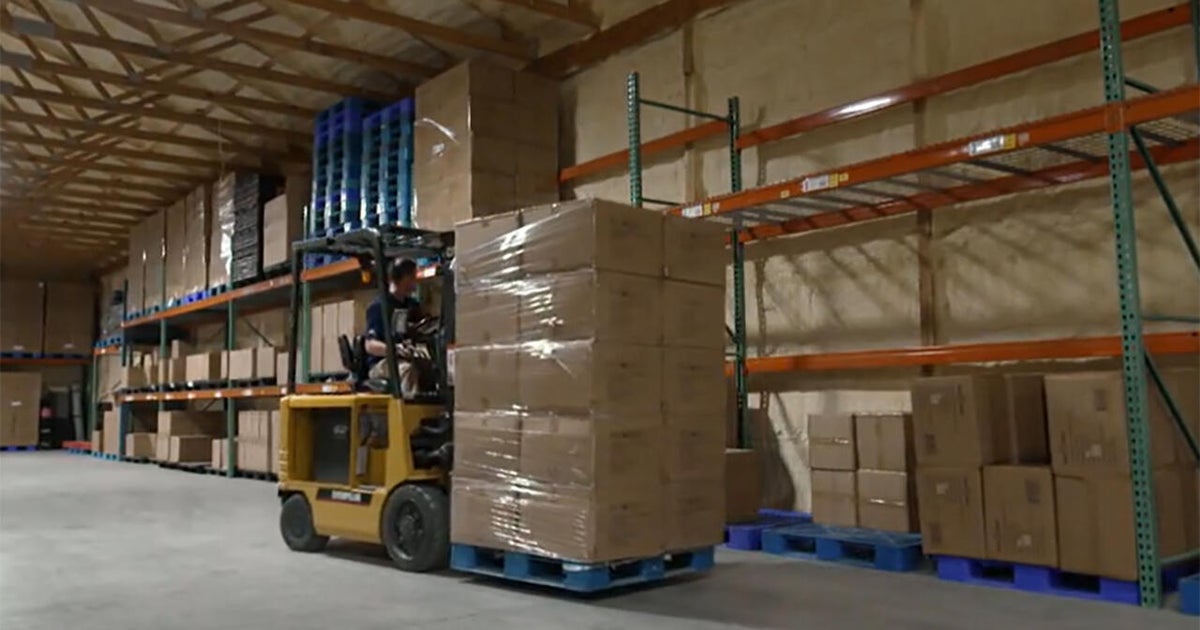
Benike reveals, 'There are three months' supply of products at our factory, which now require an extra $230,000 for U.S. importation.' When asked if she could afford this, her candid reply was a resounding no.
The Human Element
The tariffs struck just as Benike secured deals with major retailers like Target and Walmart. To scale production, she resorted to an SBA-backed loan secured against her home, adding a layer of personal risk.
Once all current stock is depleted, there will be nothing left to sell. This stark reality prompted a candid moment: 'I broke down on my kitchen floor, comforted by my young son, understanding I couldn't let this defeat define us.'
Retail Chain Reaction
At Little Roo's in Chaska, Minnesota, owner Marissa Held-Nordling observes consumer behavior shifts. With uncertainties, she permits customers to reserve baby gift items, altering how gift registries are traditionally managed.
Held-Nordling notes, 'You can't just rely on registries anymore as there's no guarantee inventories will be replenished in time, prompting early purchases.'
Broader Economic Impacts
Trade discussions between the U.S. and China cast uncertainty on future pricing and availability of goods, including essentials like clothing and electronics. The Yale Budget Lab estimates household expenses could rise by up to $5,000 annually due to these tariffs.
Economic analyst Kyla Scanlon points out it's prudent to manage finances carefully during these uncertain times, recommending consumers bolster their savings in preparation for potential price hikes.
Political and Economic Evaluation
The necessity and legality of the tariffs challenge conventional economic practices. President Trump argues that tariffs aim to rejuvenate domestic manufacturing, yet Benike finds local production financially prohibitive due to higher costs across various factors including labor and input tariffs.
Faced with operational dilemmas, even amid accolades like the Small Business Person of the Year Award, Benike is driven by resilience, adopting a strategy inspired by a military ethos of improvisation and adaptation to sustain her business globally, albeit temporarily outside of the U.S. market.
Despite challenges, Benike remains hopeful for a reversal: 'It won’t last indefinitely. I believe conditions will eventually improve.'
Leave a Reply