


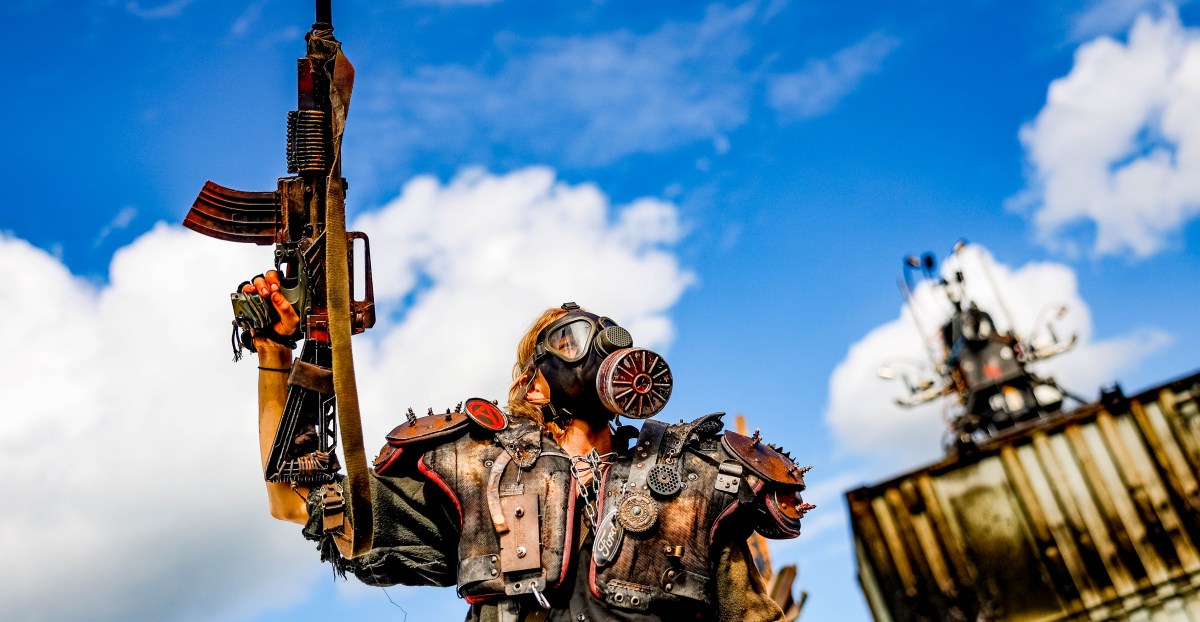
America: Land of Doomsday Preparation
Understanding the entrenched tradition of preparedness in the United States.
For many of us, consuming the daily news feels like peering over a cliff edge. Various global crises, devastating famines, escalating extremism, and climate-induced natural calamities paint a picture of an impending downfall, while economic instability looms ominously. Beyond these tangible threats, our entertainment platforms are rife with dystopian themes: HBO's 'The Last of Us' explores pandemic fallout, Netflix introduces us to extraterrestrial hostility in 'The Eternaut,' and Hulu depicts catastrophic coastal destruction in 'Paradise.'
It's no shock, then, that emergency food supplies are quickly snatched from Costco shelves, or that certain well-off Americans are investing extravagantly in survival bunkers. The ultra-wealthy are buying into apocalypse insurance too—Tesla's Elon Musk eyes Mars habitation, investor Peter Thiel secures stretches of land in New Zealand for safe harbor, while Mark Zuckerberg sets up a secretive Hawaiian refuge, rigged with a bunker he modestly terms 'basement,' where he self-sustains by growing and collecting his own sustenance.
Robert Kirsch, from Arizona State University, co-authors 'Be Prepared: Doomsday Prepping in the United States' and comments that preparing for disaster is ingrained in American culture. He explained, 'From the nation’s beginnings, Americans have perceived themselves as a populace ready for anything. We can see this as far back as a couple of centuries with stories of self-sufficient pioneers navigating wild frontiers and expanding American territories.'
A National Mindset of Self-Reliance
Kirsch shared deeper thoughts with the Today, Explained podcast host, Noel King. Below is a synopsis of their insightful conversation, distilled for brevity, yet you can enjoy the complete discussion on platforms like Apple Podcasts or Spotify.
Kirsch’s research into this American phenomenon began with an examination of high-end emergency kits from a Silicon Valley startup named Preppi. They marketed these ‘bug-out bags’ as elegant and living-room-worthy items, suggesting luxury and preparedness could go hand in hand, fitted with fine cosmetics and a sweet treat.
These kits subtly shift from secretive stockpiling to a public showcase of social status. The appeal lies in marrying survival readiness with mainstream cultural acceptance, distinguishing it from stereotypical fringe behavior.
Assessing the Preparedness Phenomenon
Tracking preparedness practices is complex, as there’s no clear boundary separating preparation from over-preparation. However, FEMA's 2023 report indicates that a significant portion of Americans are participating in some form of emergency readiness.
The stereotypical 'prepper' portrayed in media often exaggerates reality. Mainstream visibility of preppers has grown, with popular culture, including reality television, showcasing doomsday scenarios.
Prepping might appear an eccentric hobby, yet it reflects a broader tradition of American resilience—a part of the identity that has propelled people to endure and succeed against the wilderness and adversity.
Despite apocalyptic speculations rarely becoming reality, events like intense storms, fires, or climate disruptions remind us of human vulnerability and the limitations of public intervention, driving the narrative that preparation rests on individual shoulders.
The Wealth Divide in Doomsday Preparation
For the exceedingly wealthy, prepping becomes a display of luxuriant consumption rather than necessity. Their elaborate survival strategies are often glamorized in the media, with every excessive detail highlighted—yet their exact havens shielded from public disclosure.
Fantasies, like Elon Musk's space colonization aspirations, imply a pursuit beyond Earthliness, indicating a belief that terrestrial solutions have been exhausted; thus, seeking fresh starts on uncharted planets.
This trend signifies an escalation where ultra-rich practices ripple down to influence broader societal habits, seen in purchasing decisions for survival gear by the much less affluent.
Current times reflect the cyclical nature of the preparedness business, reminiscent of Cold War-era fallout shelters, now re-emerging with modern adjustments. Retailers often highlight durable food storage products, and specialized companies still offer discreet bunker construction.
In regions like Arizona, the threat of electrical grid failure looms large, given the inhospitable desert climate without artificial cooling, showcasing the variety of region-specific anxieties that prompt prepared living.
Confronting Existential Questions
Considering the bleak outlook of some events begs the question of the viability of surviving post-apocalypse scenarios alone. Collective efforts may redefine tolerance for participating in survival, enhancing endurance and promoting unity.
Communal endeavors towards preparedness could ultimately redefine how society faces potential existential crises together, turning what might seem daunting into acts of connection and mutual aid.
Leave a Reply