


CEO of Skiplagged Reveals How to Use Travel Hacks and Stay Undetected by Airlines
A growing trend among younger travelers is using a certain travel hack to cut costs, and the likelihood of being caught is almost negligible—especially if you adhere to a few straightforward guidelines.
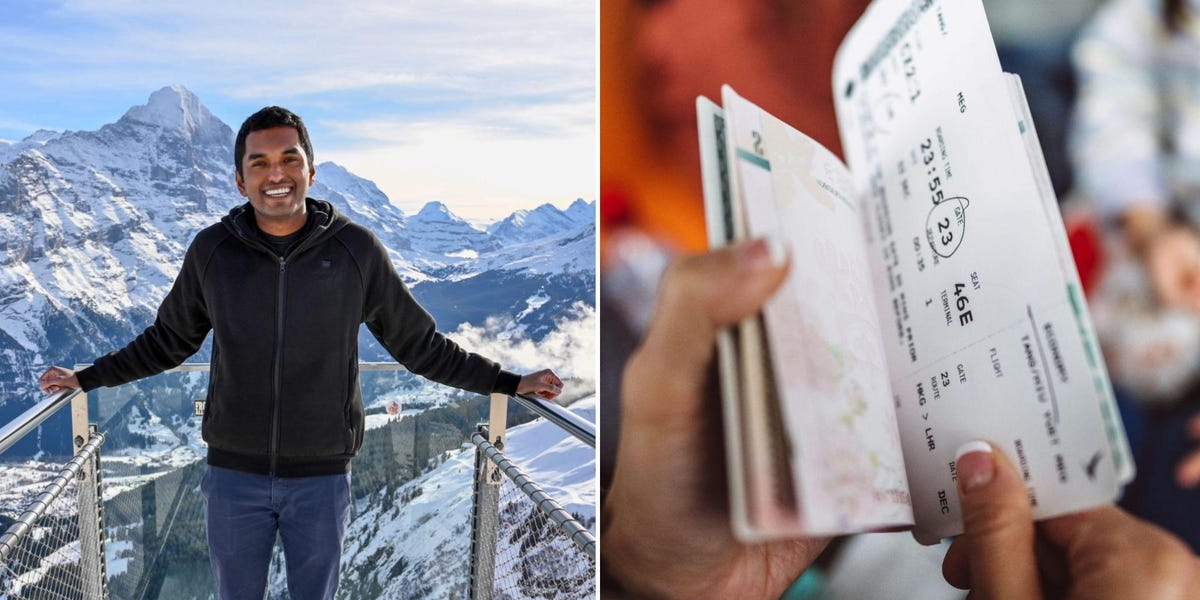
This insight comes from Aktarer Zaman, the CEO of Skiplagged.com, a resourceful platform assisting travelers in discovering 'hidden city' fares. Such tickets involve purchasing an itinerary with a layover, but disembarking at the stopover point instead of continuing to the final destination.
This tactic often offers a less expensive option than direct flights, though it comes with significant warnings. Airlines are notoriously displeased with this approach.
Despite threats from airlines to penalize passengers who skip connections, Zaman explains that the actual risk of detection is minimal. He indicates that the growing economic uncertainty has prompted more Gen Z and younger millennials to adopt this cost-saving measure.
He mentioned in an interview with Business Insider that the purchase of hidden-city tickets surged by 30% in March and April compared to the previous month. 'Given the financial instability, people are eager to travel but are also seeking ways to economize,' he remarked, adding that typical savings through Skiplagged are around $180.
In the face of multiple lawsuits for allegedly enabling what airlines deem a prohibited practice and for using their trademarks without permission, Zaman remains unperturbed. He asserts that little can be done by the airlines to disrupt Skiplagged's operations.
Airlines' Growing Frustration with the Skiplagging Technique
When booking a flight, airline websites are designed to offer fare options beneficial to their operations and cost structure. They perceive skiplagging as a disruption and a financial loss.
While one might attempt to independently identify cheaper hidden-city tickets, Skiplagged compiles data from multiple sources to present potential savings and hidden-city options explicitly.
For example, a one-way Delta flight from Los Angeles to Atlanta may be priced at $299, but a ticket with a stopover in Atlanta en route to Baltimore may cost just $139. This allows a passenger to forgo the final leg to Baltimore, enjoying significant savings.
Among Skiplagged's 10 million monthly users, those aged 18 to 34 are the most frequent, often using the site as a search tool before wrapping up their purchases through airlines or other platforms like Kayak.
Approximately 30% of bookings via Skiplagged are for hidden-city tickets, equating to around 300,000 users by 2024.
Navigating Legal and Commercial Challenges
Despite being involved in legal battles, Skiplagged generates considerable revenue annually from user fees and vendor commissions. The company is currently engaged in a legal skirmish with American Airlines over the controversial practice of skiplagging, having incurred financial penalties yet still permitted to offer hidden-city fares.
American Airlines does not maintain a list of passengers found skiplagging, a fact disclosed during trails. Meanwhile, United and Southwest have similarly pursued legal measures against Skiplagged, with varying outcomes.
Minimizing Risks: Expert Tips for Skiplagging
Although airlines like Alaska and United warn against skiplagging, suggesting penalties like legal action or revoking miles, Zaman contends the risk remains low, with an overwhelming majority of Skiplagged users facing no issues.
On rare occasions when users are penalized, it is generally due to self-disclosure or specific booking errors, such as neglecting passport requirements for international layovers.
To minimize risk, travelers are advised to: avoid frequent skiplagging, carry only a backpack to prevent checked luggage issues, book single-leg journeys, refrain from sharing frequent flyer details, and double-check layover details to prevent unwelcome surprises.
While no method is completely fail-safe, adhering to these strategies significantly reduces the chances of encountering difficulties with airline policies.
Zaman suggests that while some airlines are more permissive of this tactic, understanding the regulations of specific carriers is key to skiplagging without encountering repercussions.
Leave a Reply