


Global Repercussions for US Brands amid Trade Tensions
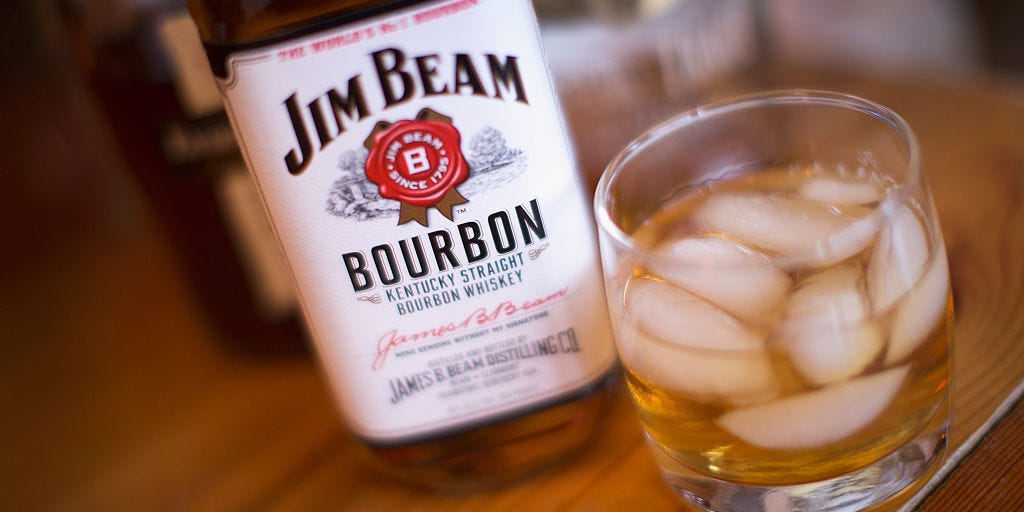
International markets are beginning to distance themselves from American products like Coca-Cola and Jim Beam, as backlash intensifies over trade conflicts initiated by former President Donald Trump.
Numerous US companies have started observing significant shifts in consumer loyalty abroad. Data from a recent Morning Consult survey illustrates a decline in consumer preference for iconic US brands, a sentiment driven by unfavorable reactions to trade policies and tariffs.
According to the report, consumers worldwide are avoiding certain American products, simply because they originate from the United States. This situation presents a critical challenge for US businesses already struggling with disrupted supply chains and inflated import expenses. The issue now extends to the consumer perception of American brands being considered a disadvantage rather than an asset.
In Mexico, for example, there has been a noticeable dip in the number of consumers who expressed certainty about purchasing Coca-Cola in the near term. This percentage dropped from 40% at the start of the year to 28% in February, recovering somewhat to 34% by April, as per Morning Consult findings.
James Quincey, Coca-Cola's CEO, acknowledged the drop, noting that some customers in both the U.S. and Mexico reduced their purchases amid unfounded social media rumors accusing Coca-Cola of turning its employees over to immigration authorities. Despite the false nature of these claims, they negatively impacted sales.
Impacts on Fast-Food and Spirits Industries
While McDonald's CEO Chris Kempczinski reported no direct decline in international sales, he did observe a growing anti-American sentiment in regions like Canada and Northern Europe.
Kempczinski's insights from market surveys revealed an increasing number of consumers planning to reduce their purchases of American brands.
Suntory Holdings, a Japanese firm owning Jim Beam and Maker's Mark, foresees further difficulties in maintaining the popularity of these brands globally. CEO Takeshi Niinami predicted in February that U.S. products would face diminished acceptance due to both economic policies and emotional responses.
Faced with these challenges, many international consumers are now turning to locally-produced alternatives. Canadian shoppers are notably favoring homegrown products, shying away from their American counterparts.
Divergent Effects across Industries
Not every American brand is encountering these issues. Tapestry, which manages labels like Coach and Kate Spade New York, reported no downturn in foreign sales due to anti-American perceptions. Similarly, Levi Strauss & Co. maintained robust international sales, which the company's CFO Harmit Singh attributes to the brand's longstanding ties with foreign consumers. He emphasized that Levi's has successfully cultivated a loyal customer base abroad over many decades.
Singh noted during an April earnings call that international operations remain robust, highlighting Levi Strauss's established footprint in the global market.
Leave a Reply