


Tariff Dilemma: A Rubber Duck Museum Relocates to Canada for Survival
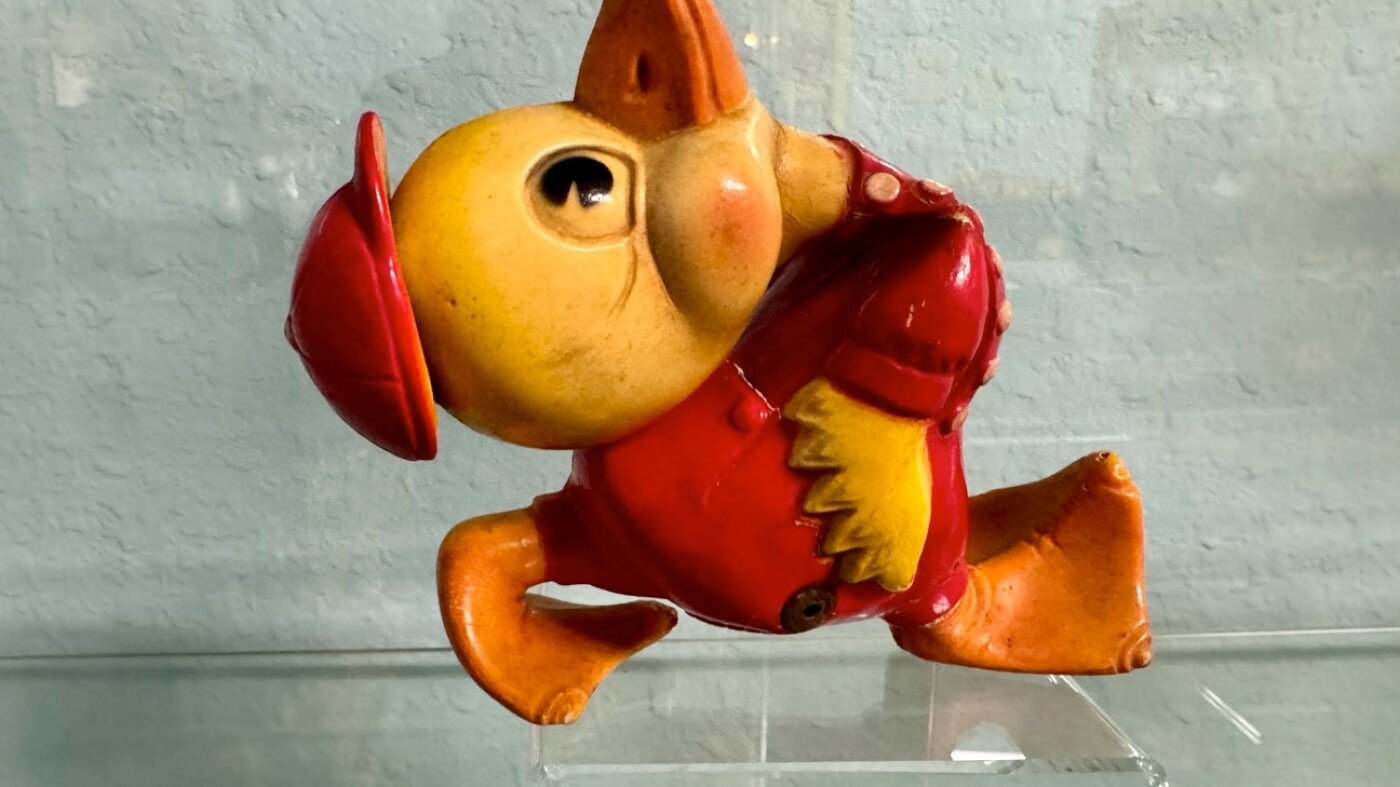
Mr. Squawker, a vintage rubber duck from the 1950s, is a key exhibit at The Rubber Duck Museum situated in Washington state. Designed by Ohio's Rempel Manufacturing, this duck sports a cheerful look and emits a distinctive squawk when squeezed.
For a glimpse into the current state of U.S.-Canada relations, The Rubber Duck Museum at Point Roberts, Washington offers a unique vantage point.
This museum resides in an unusual U.S. town linked more closely to Canada than America. Accessible only via a Canadian route, the town's population of around 1,200 heavily relies on Canadian connections for everything, including patrons seeking rubber duck treasures.
Owners Neil and Krystal King showcase a variety of rubber ducks, including those from the Soviet period, early Disney pieces, and even Ernie's famous duck from Sesame Street. Yet, it's the 3,000 whimsical ducks for sale that buoy the museum, featuring themes from pop culture and history.
Lately, however, duck sales have plummeted. Since President Trump's tariff conflicts with nations like Canada and China emerged, Canadian tourists have infrequently visited this U.S. spot. With dismal sales persisting and facing 145% tariffs on Chinese goods, the Kings are transitioning their business to Canadian soil.
The economic impact of Trump administration strategies has battered their museum and shop, prompting Neil and Krystal King to relocate to Canada this summer to maintain their livelihood.
Krystal notes that a lot of their regulars feel deeply insulted by the discourse emanating from the U.S. administration. This has spurred support for the move.
An atmosphere of tension has taken hold since February when President Trump questioned the U.S.-Canadian border treaty in a chat with then Prime Minister Justin Trudeau. Trump's dislike for cross-border water agreements adds to the strains amid ongoing negotiations.
Trump asserts that tariffs are intended to safeguard U.S. economic strength by challenging nations like Canada that he claims exploit the U.S.
Canadians generally see the situation differently.
Some believe Trump's actions aim to destabilize Canada's economy, positing easier annexation. Canadian officials have urged locals to keep their spending domestic.
Krystal remarks that Canadians guard their sovereignty and resort to boycotting U.S. offerings as their primary measure.
The tactic seems effective. Canadian crossings at Blaine, Washington fell nearly 28% this March from the previous year, U.S. Bureau of Transportation reports. Although Canadians have traditionally been a major economic force, overall spending is declining amid currency devaluation.
Krystal describes the boycott as a powerful strategy. Under normal circumstances, Canadians flood the town for bargains, but now businesses lay barren.
Despite Canadian politeness, visitors express upset over the current political climate and its personal impact on the Kings.
Compounding factors include the 145% tariff on Chinese-made ducks. The Kings are challenged to sustain competitive pricing, given the CAD-USD exchange.
Financial pressures have forced the Kings to consider moving, despite their affection for their charming Washington shop. As Neil highlights, laughter is their favorite currency, one they strive to preserve.
Come summer, the museum and shop aim to settle just over the border in Canada, bypassing prohibitive tariffs and skirting geopolitical uncertainty.
Even if tariffs were rescinded overnight, the Kings find Canadian relocation the safer, sustainable direction.
Neil notes the unpredictability of tariff announcements hampers business stability. No small venture can thrive under such uncertainty, let alone one reliant on Canadian guests.
As Krystal concludes, relocating isn't their ideal choice, but necessary to circumvent closure—a decision between geographic moves, not between profession or closure.
Leave a Reply