


India-Pakistan Ceasefire: Accusations Erupt Hours After Accord
On Saturday, tensions reignited between India and Pakistan, following a ceasefire agreement facilitated by the United States, marking an end to one of the most severe military confrontations between the two nuclear nations in decades. However, mere hours after the accord, mutual allegations of ceasefire violations surfaced.
Both nations anticipated that the ceasefire would swiftly halt the intensifying conflict that began with a deadly attack on tourists last month. India attributes this attack to Pakistan, a claim which Islamabad refutes. Despite the agreement, residents in the major cities of Indian-administered Kashmir reported hearing multiple explosions shortly after.
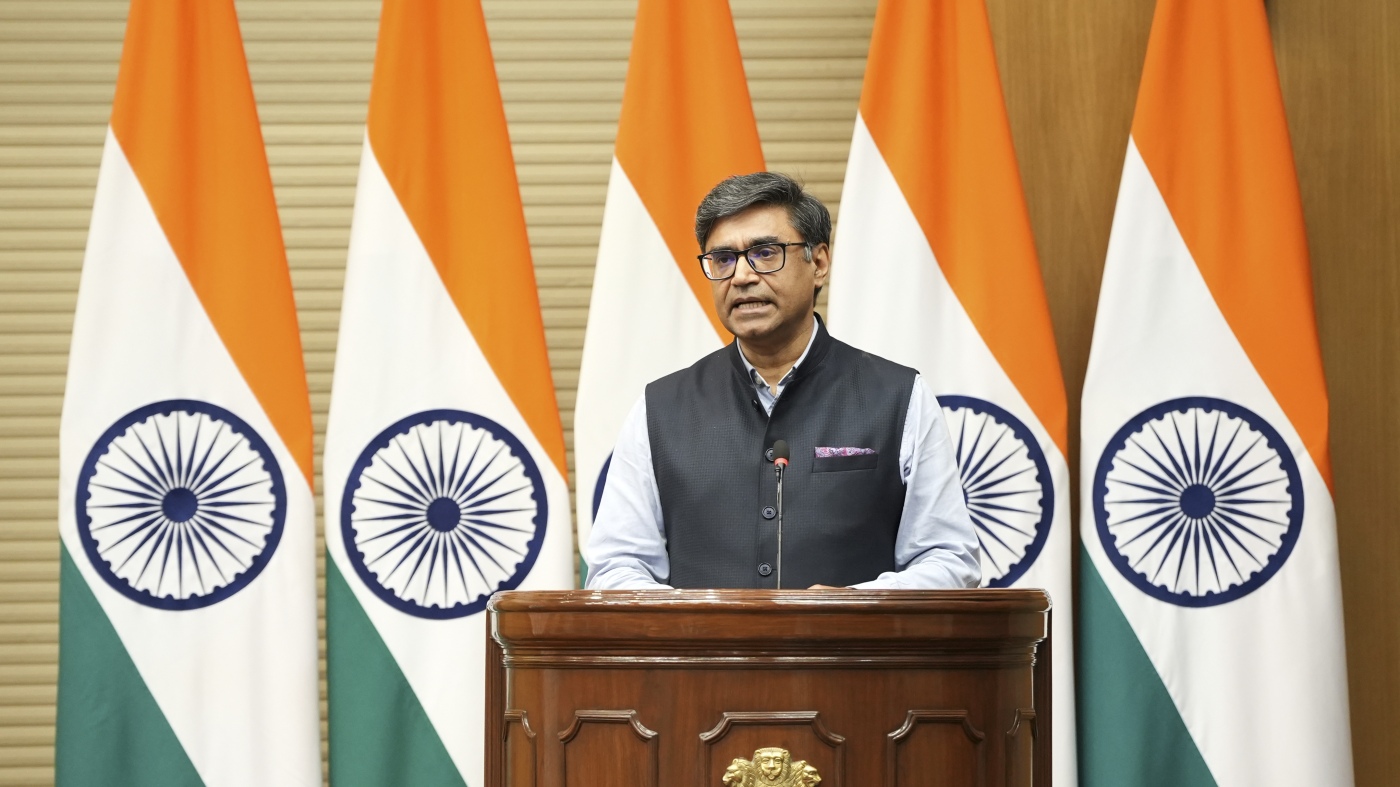
India's Foreign Secretary, Vikram Misri, criticized Pakistan for violating the agreement, citing repeated breaches. "Pakistan must demonstrate responsibility and address these breaches seriously," he asserted from a New Delhi conference.
Conversely, Pakistan's Foreign Ministry accused India of being the instigator. The ministry underscored Pakistan's commitment to the truce and urged for proper communication to resolve any implementation issues.
President Donald Trump announced the ceasefire via his Truth Social platform, lauding both nations for employing common sense and intelligence.
Pakistani Prime Minister Shehbaz Sharif called the truce an opportunity for peace, hoping it might lead to resolving broader issues like the Kashmir conflict.
Despite an agreement between the military operations leaders of both countries to cease all land, air, and sea actions, explosions rocked Srinagar and Jammu, leading to power outages but no immediate reports of casualties. Omar Abdullah, a prominent leader in the region, expressed confusion and concern over the ceasefire violations.
Path to Broader Peace Talks
India and Pakistan's history is marked by frequent conflict, having fought multiple wars since their 1947 independence. The latest truce followed a day of cross-border missile fire, with India targeting Pakistani air bases in response to strikes aimed at Indian military and civilian sites.
U.S. Secretary of State Marco Rubio highlighted diplomatic efforts involving high-level talks with leaders like Indian Prime Minister Narendra Modi and Pakistani officials, aiming for broader discussions at a neutral location.
The Pakistani populace, initially supportive of military responses, eventually celebrated the ceasefire, viewing it as a national triumph that eased recent tensions.
Escalation Preceding the Ceasefire
The region's tensions flared dramatically following an assault that killed 26 civilians, mostly Indian tourists, in Kashmir. India accused Pakistan of targeting non-military sites, prompting missile strikes on Pakistani air installations.
In return, Pakistan launched medium-range missiles at Indian sites, asserting the safety of its own military assets amidst the exchange.
Aftershocks in Kashmir
Post-ceasefire, residents of Indian-controlled Kashmir reported hearing intense explosions, distinct from past drone attacks, near military bases.
Former police chief Shesh Paul Vaid depicted the scene as resembling a battlefield, with the community disturbed by the heightened military activity.
The regional leader Omar Abdullah remarked that an earlier truce could have spared lives and averted the bloodshed experienced over the past days.
Leave a Reply